

Key Takeaways
- Offices are designed for desk-based tasks, while studios cater to hands-on, specialised activities.
- An office studio combines desk space with production areas, offering a hybrid workspace model.
- Studios often require specific technical setups like higher-capacity power and soundproofing for equipment use.
- Serviced offices bundle costs into one monthly fee, whereas studios are often priced per square foot with bills on top.
- We advise clients to choose a workspace based on how their team works and the equipment they need, not what the space is called.
The terms ‘office’ and ‘studio’ often overlap in property listings, yet they describe different types of workspace. An office is set up for people working at desks, while a studio caters to hands-on, specialised tasks.
Choosing the wrong one can affect your layout, costs, permitted activities and how clients see your business.
Below, we explain what each term means, how they compare and how to decide which suits your company best.
What Is an Office?
An office is a workspace designed for desk-based tasks such as administration, planning, client meetings and screen work. The term covers a wide range of settings, from serviced and leased spaces that businesses can rent in commercial buildings to a home office setup, a garden office, or even a garage conversion.
Our guide takes a closer look at what an office is, including key features and how workplaces have evolved.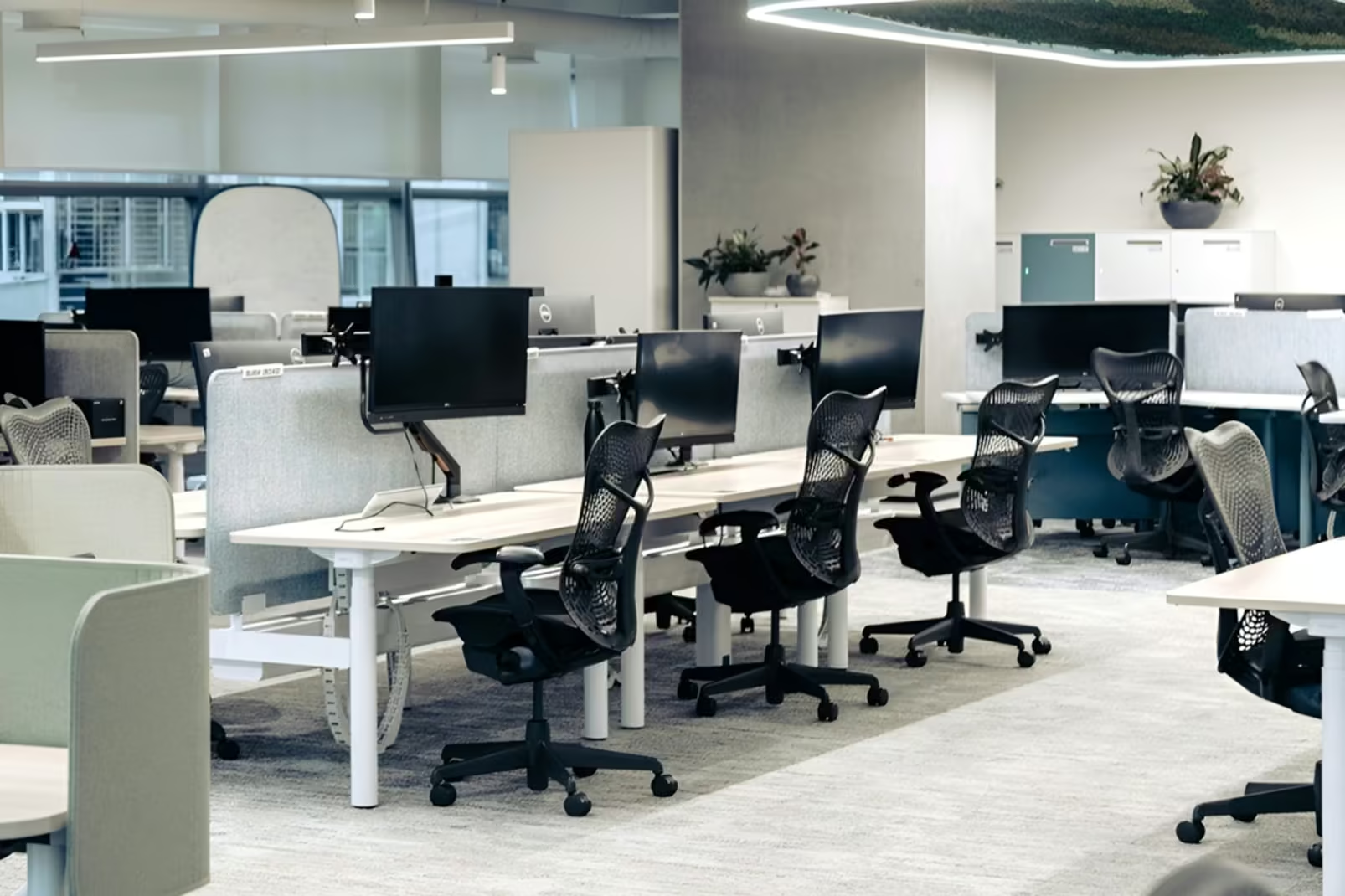
What Is a Studio?
A studio offers space for making, producing, recording, teaching or displaying work. Rather than being built around desks, the layout depends on the equipment, materials and floor area that the work requires.
The term also describes a way of working. Many design and creative firms call their workplace a studio to convey a less formal environment than a traditional corporate office. Projects are often displayed around the space, from mood boards and models to storyboards, sketches and prototypes.
Some flexible workspace operators also market compact private offices as studios, even when they’re set up for standard desk work. Clients often ask us what a studio listing includes, so we always advise checking the floor plan, facilities and permitted use.

What Is an Office Studio?
An office studio is a hybrid setup that combines desk space with room for production, prototyping, content creation or showcasing work to clients. In our experience, they’re often found in converted warehouses, where open floors and high ceilings make it easier to create distinct zones.
Many providers merge the two terms to describe these units, which is why it is important to understand each one separately first.
Office vs Studio at a Glance
| Feature | Office | Studio |
| Layout | Structured, often furnished | Flexible or purpose-built |
| Techincal setup | Power for desks and IT, plus quiet zones | May need higher-capacity power, ventilation for fumes and dust, and soundproofing |
| Access and storage | Standard access, limited storage | Loading access and storage often important |
| Pricing | Per desk (serviced) or per sq. ft. (leased) | Usually per sq. ft., with bills often separate |
| Permitted use | Standard office use, generally straightforward | Depends on the activity, so check before signing |
How Offices and Studios Differ
The biggest differences come down to how each space is designed, the work it needs to support and the terms on which it is rented.
Layout and Design
• Office: The types of office layout vary from fully open plan to partitioned, whether in a private office or on a shared floor. Meeting rooms may be bookable or dedicated to your business. Finishes tend to be neutral, with standard-height ceilings and lighting set up for screen work. Serviced offices typically come fully furnished, with IT in place, so teams can start work immediately.
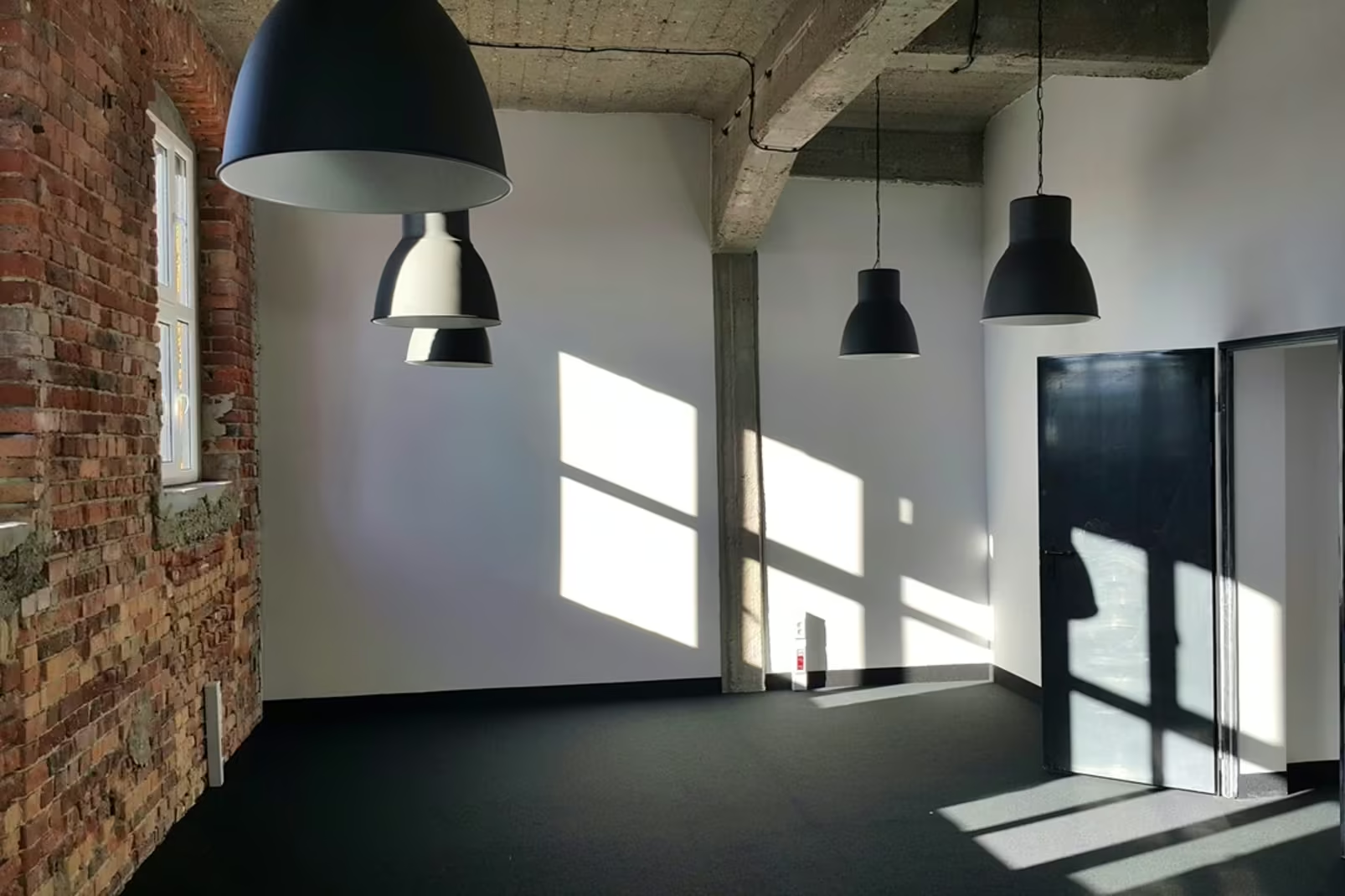
• Studio: Studios often offer open, flexible space with movable furniture and workbenches, so the layout can change from one project to the next. Many feature exposed brick, polished concrete, or other industrial finishes, along with higher ceilings and adaptable lighting. They are frequently offered as a blank canvas, rather than a fully fitted workspace.
Technical Setup
• Office: Each desk normally has its own power and data points, and ventilation is designed around the number of people in the space. Phone booths and quiet zones help manage noise in open-plan desk areas.
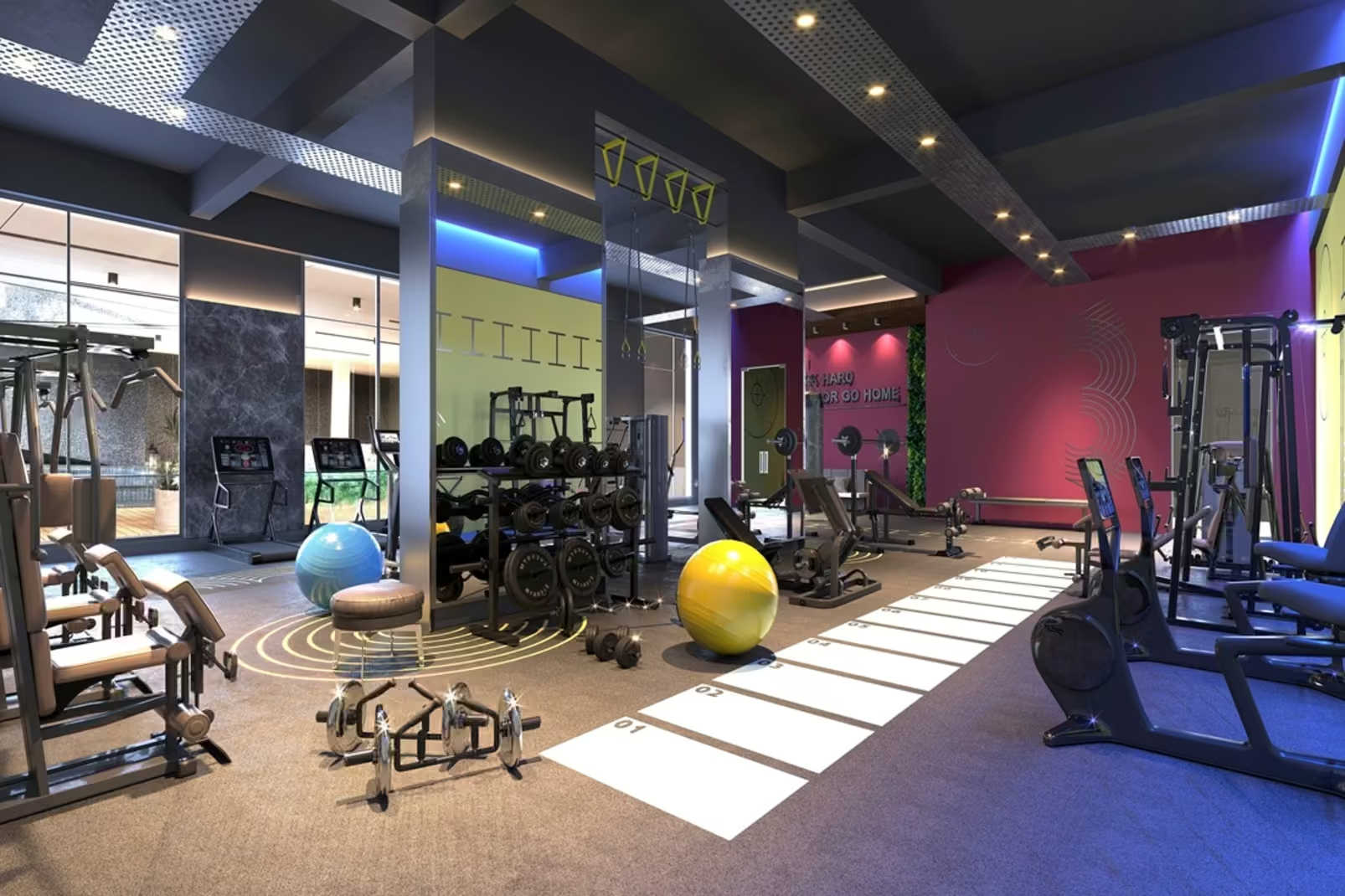
• Studio: Equipment and lighting rigs may require higher-capacity or three-phase power, and ventilation often needs to extract fumes and dust from paints, solvents or materials. Soundproofing helps keep noise in or out. Floors must also be able to support the weight of heavy equipment, such as gym machines in a fitness studio, or bulky stock.
Access, Storage and Facilities
• Office: Offices typically have a staffed reception, lifts and secure entry. Storage is generally limited to lockers and cabinets, while meeting rooms, kitchens, breakout areas and on-site support teams cover day-to-day needs.
• Studio: Ground-floor units or goods lifts make it easier to bring in equipment, materials and deliveries, with loading space often essential. Studios also need extra room to store kit and stock, and many offer extended or round-the-clock access for shoots and deadlines. On-site services and facilities tend to be more limited, so tenants often arrange their own cleaning, IT and meeting space.
Costs, Terms and Permitted Use
• Office: Serviced offices are priced per desk per month, with rent, bills, cleaning and service charges generally bundled into one fee. Agreements run from a few months to a couple of years and allow companies to scale. Leased space is priced per square foot on longer commitments, with bills on top. Planning rules in England set out what each building can be used for. Offices fall under Class E(g)(i), which covers operational and administrative work.
• Studio: Studios are typically priced per square foot and offered on either a flexible licence or a traditional lease, depending on the provider. Utilities, service charges and business rates are often billed separately, so the headline rent isn’t always the full cost. Tenants usually pay for alterations like acoustic treatment or ventilation. Studio space has no single use class, as the right category depends on the work or activity taking place.
Can a Studio Be Used as an Office, or Vice Versa?
Often yes, as long as the lease or licence and the space’s permitted uses allow it.
Using a studio as an office is typically simpler. However, some units lack facilities like a reception or meeting rooms and may not allow regular visitors.
Turning an office into a studio can be more difficult, as offices are rarely built for the technical demands of studio work.
When helping companies find workspace, we often see that the biggest issue isn’t size or layout, but what the landlord allows tenants to do inside. Even a space marketed to creative businesses may still prohibit filming, specialist equipment, alterations or customer-facing activities, so we recommend checking these details with the landlord or provider before signing.
Which Businesses Suit Each Type of Workspace?
The table below shows which type of workspace typically suits common businesses.
| Type of Business | Office | Studio | Office Studio |
| Professional services, finance and tech firms | ✓ | ||
| Digital, branding and marketing agencies | ✓ | ||
| Photographers, artists and fitness instructors | ✓ | ||
| Production companies recording or shooting most days | ✓ | ||
| Content teams that film occasionally | ✓ | ||
| Architects and designers | ✓ | ||
| Product designers and small fashion brands | ✓ |
How to Decide What Your Business Needs
We advise our clients to consider how their team operates, rather than how they want the space to look. These questions will also help you to narrow down your options.
• How much of your work is done at a desk? If most tasks are on screens, an office will usually serve you better, even in a creative field.
• Do clients visit, and what do they need to see? A staffed reception and meeting rooms suit formal client meetings, while a studio lets visitors see work in progress.
• What equipment, noise and storage do you need? Heavy machinery, loud activities or large amounts of stock point towards a studio, or at least an office studio.
• How quickly is your team growing? Serviced offices make it easier to scale up or down at short notice, whereas studio units tend to come in fixed sizes.
• What’s your budget, and how long do you need the space for? For predictable costs and shorter notice periods, an office is usually the safer choice. A studio suits businesses ready to commit to a space built around their work.
The difference between an office and a studio comes down to how you use the space, not what you call it. The right choice is the option that best fits your needs, equipment and plans, and can save you the cost and disruption of relocating later.
If you’re looking for office space to rent, including design-led serviced offices, we will find and compare workspaces for you.