Step 1: Choose your workspace type
Step 2: Find the right location
Step 3: Set your budget
Step 4: Visit and compare spaces
Step 5: Assess building type and design
Step 6: Review facilities and amenities
Choosing the right flexible office space depends on a variety of factors such as budget, working style, location preference and the level of flexibility your business requires. Unlike traditional leased space, flexible offices provide shorter agreements, inclusive pricing and the ability to scale without long-term commitment, making them a practical option for businesses at different stages of growth.
This guide explains the key steps to help you compare serviced, coworking and managed office space across London.
Step 1: Decide which type of flexible office space suits your business
The first decision is understanding which type of workspace will best fit how your business operates.
Serviced offices in London are one of the most widely available flexible workspace options. They are ready to use immediately, usually for an all-inclusive monthly cost, and on short-term contracts. In our experience, serviced offices suit companies at different stages of growth, particularly those seeking cost certainty and minimal setup time.
We find that managed office spaces are more common in larger buildings and offer greater control over the fit-out and layout. Contracts usually start from 12 months, meaning they tend to suit more established teams with bigger headcounts.
In comparison, coworking spaces offer flexible desk options in a shared office environment. These can include hot desks or dedicated desks and are ideal for freelancers, startups, hybrid teams, and smaller companies that do not require a permanent private office.

Once you have identified the right workspace type, compare contract lengths, notice periods and the ability to scale up or down to help you avoid relocating as your business grows. Terms vary significantly between providers and locations, so we always recommend reviewing the details before committing.
Step 2: Choose the right location in London
Choosing the right location is one of the most important decisions when renting office space in London, and goes beyond just the postcode. Client perception, day-to-day convenience and commute experience all depend on where your office is based, and this is one of the areas we spend the most time discussing before arranging viewings.
We encourage our clients to prioritise locations within a 5-10 minute walk of major transport stations, particularly those with multiple interchanges such as Liverpool Street and King’s Cross St Pancras. This can make a significant difference to accessibility for both employees and visitors. We also advise businesses to walk the route themselves and consider what amenities are nearby.

Different parts of London also attract different industries. We find that areas like Mayfair and St James’s suit client-facing businesses where reputation and credibility matter. In comparison, Soho and Shoreditch are typically favoured by creative and tech-led companies seeking a more relaxed environment and diverse occupier mix.
It is also worth considering proximity to clients, partners, and industry clusters, as well as the overall feel of the area.
Step 3: Set your budget for office space in London
Before shortlisting options, you should establish a realistic budget based on your headcount, the space you need and how long you plan to rent the office. If you are unsure where to start, get in touch, and we can help you determine what your budget should be. You can also compare serviced office or coworking rates using our pricing tool.
Office costs in London vary significantly depending on the location you choose, building type and what is included in the agreement. We often find that businesses underestimate the full monthly cost until they begin comparing office spaces properly.
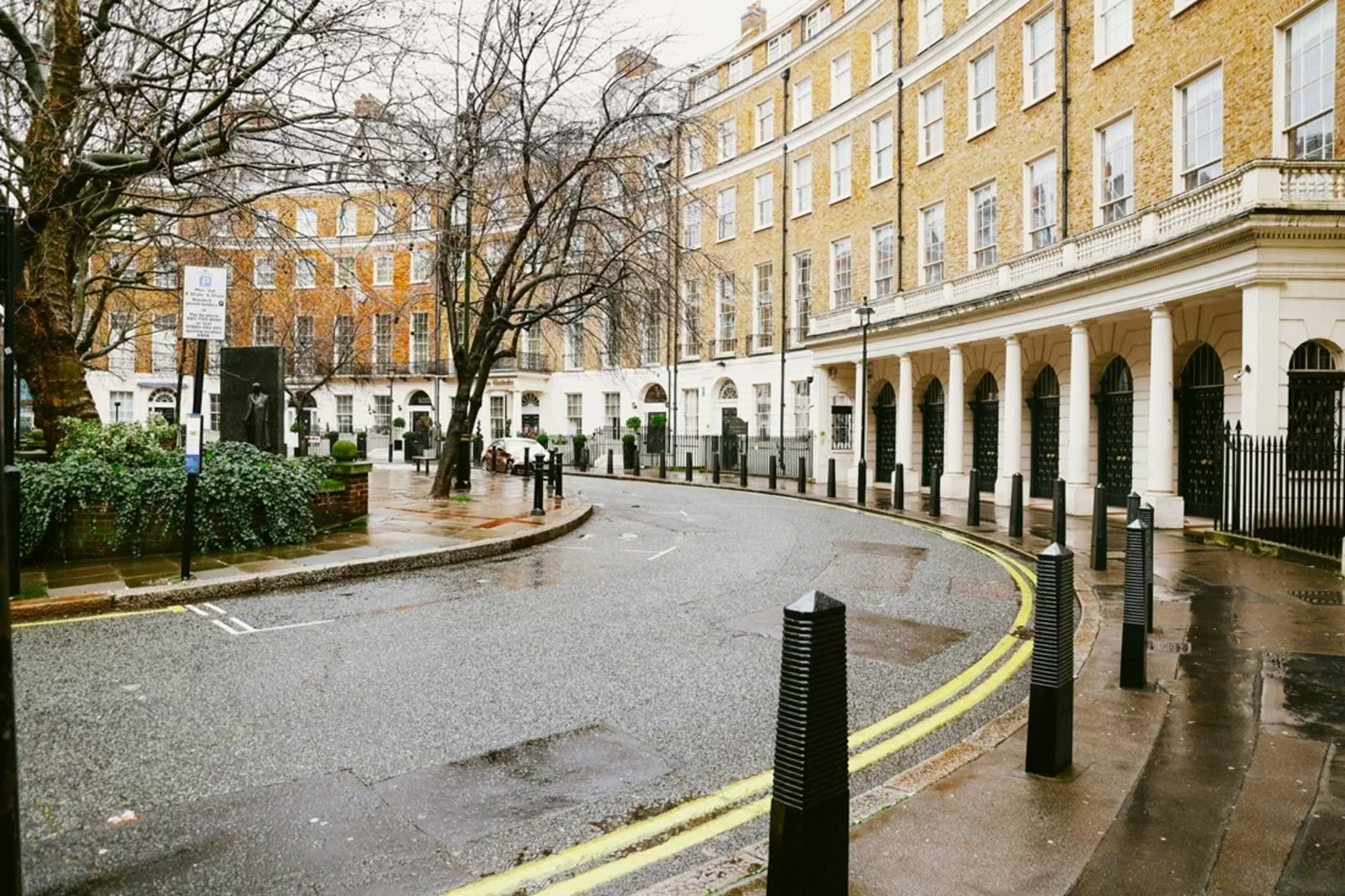
Central London generally commands higher rates than Greater London due to transport connectivity, accessibility and proximity to key business districts. However, flexible workspace pricing also differs considerably across different Central London areas.
Serviced offices in Mayfair sit at the higher end of the market, while workspaces in areas like Paddington or South Bank can provide similar quality at a lower cost per desk.
When comparing office costs, we recommend looking beyond the headline figure. It’s also important to understand what is included within the monthly fee. Utilities, internet, cleaning and reception services are commonly included in flexible office agreements, whilst meeting room hire and parking may be charged separately.
In our experience, modern office buildings with larger floorplates and premium amenities may offer better long-term value than older properties, where additional costs can accumulate over time.
Step 4: Visit and compare office spaces in person
No amount of online research can replace viewing an office space in person. We always recommend visiting during peak hours to get a realistic understanding of the building, the surrounding area, and the commute time.

We advise clients to assess noise levels, natural light and ventilation throughout the space. Checking the condition and presentation of shared areas and communal facilities is also a good way to get a better understanding of how well the building is managed overall. We find that this can significantly influence the day-to-day office experience.
When comparing shortlisted offices, it’s important to focus on the total monthly cost, rather than the advertised rate. Flexibility, incentives, and additional charges can vary considerably, and we can negotiate terms to ensure you get the best deal.
Step 5: Assess building type, layout and office design
London’s office stock comprises a wide variety of building types, from period buildings and converted warehouses to glass-fronted modern commercial developments.
Older buildings often have more traditional enclosed layouts, while modern developments typically provide larger floorplates and greater flexibility for different styles of work.

However, period properties can offer more character and stronger branding opportunities, making them a popular choice for creative companies. We have noticed that refurbished offices are becoming an increasingly popular option, combining historic charm with contemporary fit-outs and modern amenities.
It is essential to consider whether the layout genuinely supports how your team works day-to-day. Open-plan, private, or mixed configurations all have advantages depending on whether your business prioritises collaboration, focused work, or client-facing activity.
Office design also plays an important role in employee satisfaction and retention, varying significantly depending on your brand and company culture. Businesses are choosing between corporate, industrial, creative studio and wellness-focused environments to reflect their identity and working style.
We are also seeing increased demand for higher-quality, experience-led workspaces across London as part of a broader flight to quality, encouraging staff to come into the office more often.
Step 6: Review facilities and nearby amenities
Office facilities can also vary significantly, and occupier expectations have noticeably shifted in recent years, with many amenities now expected as standard.
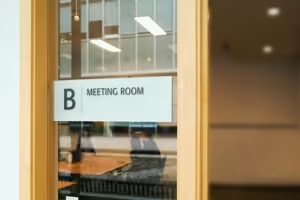
We recommend that you assess the quality and availability of key facilities, such as meeting rooms, phone booths, and breakout spaces, when viewing your shortlisted offices, as these can impact how well the office functions.
Many modern serviced offices in London now focus heavily on providing amenities that improve the workspace and employee experience. These may include gyms, cafés, roof terraces, event spaces and wellness areas.

The surrounding area is equally important, and access to green space, as well as a variety of dining and retail options, can influence how much employees enjoy coming into the office.
Transport connectivity should also remain a priority, particularly if your team travels out to meet clients, welcomes regular visitors, or operates a hybrid working model.
The right office space should support your employees, your business operations, and your long-term requirements. We find that taking a structured approach saves businesses significant time when searching for office space.
We help businesses compare serviced, managed, and coworking offices across London based on their specific needs and preferences. We can also arrange viewings and help you choose a flexible workspace that best suits your team.