
Experience-led workspaces are driving attendance by giving employees a reason to come into the office. This report draws on our enquiry data and wider UK market trends to examine the rise of experience-led offices, what they offer, and what this means for companies searching for office space to rent.
What Are Experience-Led Offices?
Experience-led offices are designed around user needs, combining thoughtful design, premium amenities, and layouts to create a more effective working environment.
While flexible workspace providers have been at the forefront of this shift, experience-led design is also being adopted across traditional leased office space. Ultimately, what defines these environments is the intent behind the design, rather than the type of office or lease structure.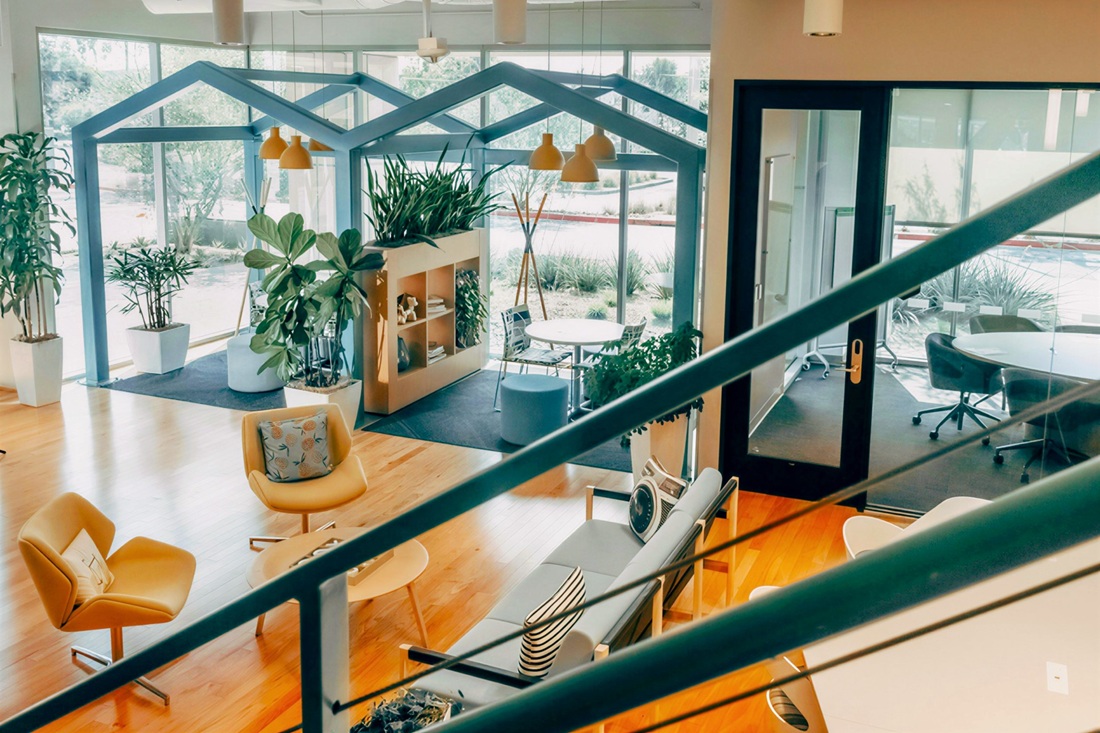
What’s Driving the Rise of Experience-Led Offices?
The shift towards experience-led offices accelerated significantly in the years following the pandemic, shaped by several key factors, including:
Hybrid Work Patterns
With many teams spending two to three days in the office rather than five, each visit carries more weight. An uninspiring workspace is harder to justify when the alternative is a comfortable home setup. Our data indicates that businesses renting office space are increasingly prioritising environments that offer something worth the commute, reinforcing demand for experience-led spaces.
A Shift in Employee Expectations
As noted in our 2025 report, offices must now go beyond functionality. Our research shows that around 85% of occupiers expect enhanced amenities as standard, with companies searching for office space placing greater emphasis on fit-out quality, premium facilities, and ESG credentials. This highlights a clear shift from previous years, when location and price dominated decision-making.
Offices as a Tool for Attraction and Retention
Businesses increasingly treat the office as a tool for attracting talent, particularly in competitive markets where hybrid flexibility is already standard, and workspace quality serves as a differentiator. This is reflected in our enquiry data, which shows a continued rise in demand for Grade A office space in London.
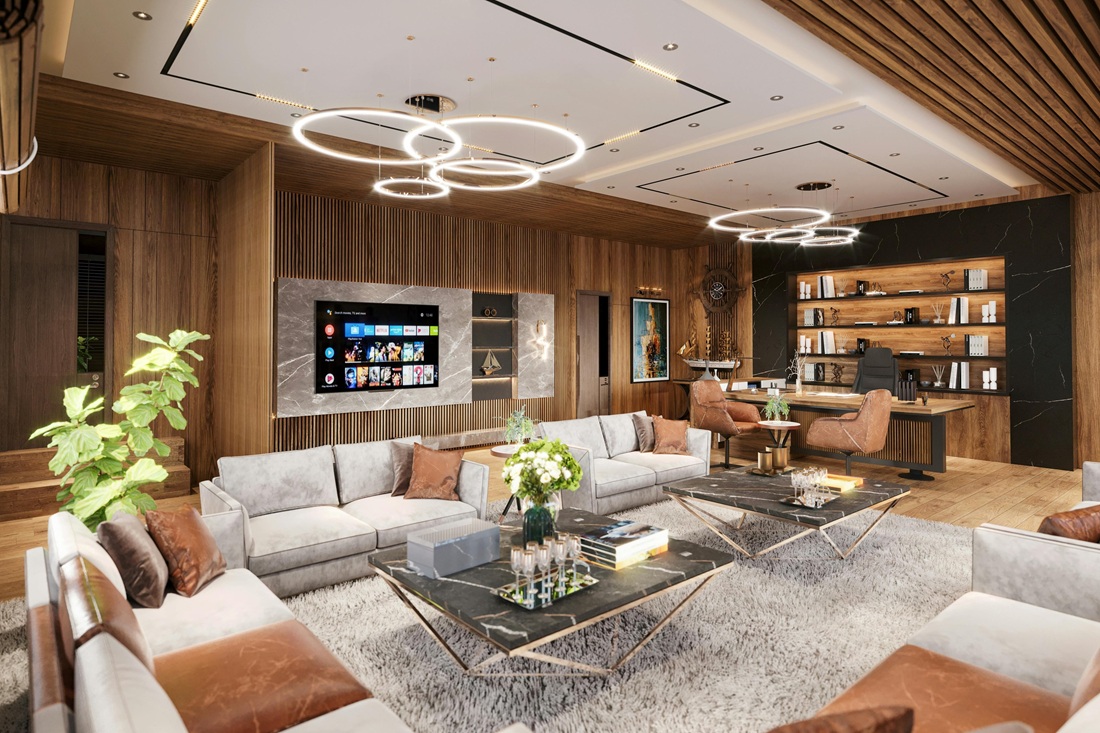
Our research suggests that over 60% of employees are more likely to stay with an employer that provides a high-quality environment, and that workplace experience is now considered alongside salary and benefits when evaluating job opportunities.
Landlords and Operators Responded to Demand
Another key factor behind the rise of experience-led workspaces is the speed with which landlords and operators responded to changing occupier expectations. As demand for higher-quality environments increased, investment in amenities, shared spaces, and overall fit-out quality accelerated across both serviced and managed offices and the traditional leased market.
Over 70% of enquiries we handled in 2025 were for newly built or recently refurbished office space, while enquiries for secondary stock declined by around 20%. This points to a clear shift, in which quality and long-term suitability now outweigh cost as the key consideration when renting an office.
What Do Experience-Led Offices Offer?
Spaces Designed Around How People Actually Work
Rather than rows of desks, experience-led offices offer a variety of working environments designed to support different tasks and working styles, including collaboration zones, quiet focus rooms, informal breakout spaces, and social areas.
In 2025, we observed strong demand for activity-based working (ABW) layouts, with businesses prioritising how a space functions over square footage or desk capacity. This represents a clear shift away from traditional workspaces and towards more flexible, adaptable environments that can be reconfigured using movable layouts and temporary partitions throughout the day.
Environments That Justify the Commute
The design and overall feel of a space directly influence office attendance. Natural light, biophilic elements, high-quality materials, and thoughtfully designed interiors help create environments that feel energising.
In our experience, how a space feels during a viewing plays a significant role in decision-making. Offices that are bright, well-designed, and welcoming tend to generate stronger interest, with businesses consistently favouring environments that support focus, productivity, and wellbeing.
Amenities That Support the Whole Working Day
Our data indicates that the most in-demand office spaces now offer amenities that support the full working day, alongside additional features that enhance the overall experience. On-site cafés, showers, cycle storage, event spaces, and well-designed communal areas are increasingly standard in the buildings generating the highest levels of enquiry.
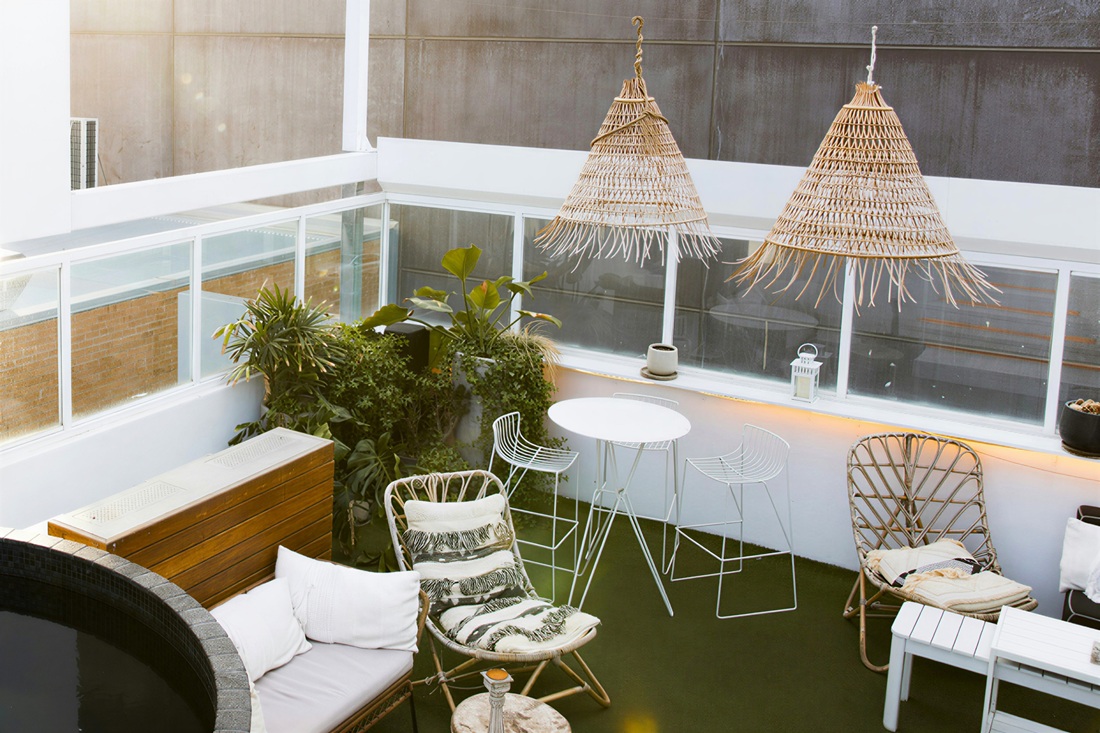
Many of the serviced offices in Central London that we market also offer access to outdoor space, gym facilities, and smart technology, helping them stand out in a more competitive market.
These facilities make a meaningful difference to how people experience and engage with a building throughout the day and often help to improve attendance.
Technology Built for Hybrid Teams
With many businesses operating flexible working models, reliable connectivity, high-quality AV systems and seamless hybrid meeting setups have moved from being premium features to baseline expectations.
Our recent enquiry data shows that over 75% of businesses searching for office space specify hybrid meeting technology as a core requirement, highlighting how essential it has become for modern office-based teams.
Community and Workplace Culture
Serviced offices in particular offer the opportunity to connect with other companies in the building, creating a sense of community that a traditional leased space or home setups cannot replicate. Our data suggests that providers who invest in regular networking events consistently see higher occupier engagement.
We have also found that businesses that organise team social activities report improvements in team performance, employee retention, and attendance - highlighting the value of office environments that actively support interaction and collaboration.
How Has This Impacted Office Attendance?
The link between quality and attendance has become increasingly clear. Our research shows that UK office occupancy reached its highest level since the pandemic in early 2026, with average weekly attendance at around 45–50%, and peak days reaching close to 70%.

This gap suggests that while the right environment can support higher attendance, many workspaces are not yet meeting this standard. The question is no longer whether people will return to the office, but what environment best supports how they work.
Clients we’ve helped relocate to higher-quality, amenity-rich offices have reported better, more consistent attendance as a result. This reinforces the role of experience-led workplace environments in encouraging regular office use.
While more companies have introduced formal attendance policies, results have been mixed. From our experience, the strongest outcomes come from businesses that combine clear attendance expectations with meaningful investment in their workspace. This implies that providing a better experience is often more effective in sustaining attendance than enforcement.
Steps to Take When Renting an Experience-Led Office Space
Define Attendance Goals Before Setting Budget
Before setting a budget, it is important to understand what attendance levels you are trying to achieve. A higher-quality office thoughtfully designed to improve engagement and retention will often provide better value than a cheaper space that goes unused. Our research suggests that around 50% of organisations are now willing to pay more for a better workplace experience.
Assess the Space Against Actual Working Patterns
When deciding on what size space you need, focus on how your team actually works. The way businesses use office space has changed significantly, and desk numbers alone are no longer a reliable measure of suitability.
We typically see businesses plan for around 60-70% occupancy, rather than full headcount, when calculating their requirements. In our experience, many firms now look for offices which support collaboration, productivity and interaction.
Attend Viewings With a Clear Checklist
We find that many companies find it useful to attend viewings with a clear set of criteria, covering environment, design, facilities, technology, and flexibility. Our data shows that businesses with a well-defined set of requirements make faster, better decisions when choosing an office. If a space doesn’t feel right on a viewing, it is unlikely to work in practice.

Prioritise Connectivity Over Postcode Prestige
Location remains an essential consideration when searching for office space to rent, but connectivity is now critical. Our research indicates that over 50% of professionals cite the commute as a deterrent to attending the office. This is reflected in our enquiry data, where we consistently see strong demand for office space in well-connected locations.

In London, areas close to major transport hubs that offer multiple Underground lines, rail connections, and bus routes are especially sought after, as they help minimise disruption and make commuting more reliable for employees.
Consider Serviced or Managed Offices
Serviced and managed offices allow businesses to access modern, amenity-rich environments without paying upfront fit-out costs or committing to long leases. They are typically available for immediate occupation and offer flexibility to scale, supporting future growth.
As predicted in our 2026 market trends article, our data shows that premium flexible office space consistently outperforms other stock in terms of occupancy and engagement.
Allow Room For Growth
When beginning their office search, we advise clients to factor in future headcount and changing attendance patterns. Supply of high-quality workspace remains constrained, particularly in popular Central London areas such as the West End and the City, where demand continues to outpace availability.
Our data shows that around 40% of businesses we work with require additional or larger space within two years of signing their initial office agreement, reinforcing the importance of planning for growth from the outset.

Experience-led design is no longer a differentiator; it is becoming the expected baseline. Our early 2026 data shows that experience-led offices are achieving rental premiums of up to 15% over comparable standard office space. This reflects a broader shift in how businesses evaluate office space, with quality, functionality, and overall experience now central to decision-making.
The link between the office experience and attendance is evident, with businesses investing in better-designed, amenity-rich workspaces seeing longer and more consistent use. In contrast, offices that fall short are finding it harder to justify the commute.
At FreeOfficeFinder, we help organisations of all sizes secure office space that gives their teams a genuine reason to come in, driving stronger attendance and retention.