London’s West End is one of the world’s most recognised business locations. Over time, it has evolved from an aristocratic residential area into one of London’s most competitive office markets, shaped by strong demand, limited supply, cultural attractions, and historic character.
What Is Defined as London’s West End?
The West End is a central district, largely within the City of Westminster, located between Regent’s Park, Hyde Park, the River Thames, and the City of London. It is widely recognised as one of London’s most prominent commercial, retail and entertainment centres, attracting businesses and visitors from across the UK and internationally.
The areas typically considered part of the West End include Soho, Covent Garden, Mayfair, St James’s, Fitzrovia, Marylebone, Leicester Square, and Piccadilly Circus.
Several of London’s best-known commercial roads are located within the district, including Oxford Street, Regent Street, Carnaby Street, Baker Street and The Strand.
Together, these neighbourhoods and streets form what is widely known as London’s West End, one of the capital’s primary business locations alongside the City of London and Canary Wharf.
Timeline of How the West End Became a Business District
17th – 18th Century: Emergence as an affluent residential area
Historically, the West End was known as an elite residential district. This is largely due to wealthy households and merchants moving away from the City of London in the 17th and 18th centuries as the area became crowded and polluted.
As a result, developers began creating elegant neighbourhoods in locations such as Mayfair and St James’s, which included Georgian townhouses and garden squares. This helped to establish the West End as one of the most desirable and prestigious areas in London, laying the foundations for its transformation into a major commercial district.
Early – Mid 19th Century: Major urban planning developments
The West End’s growth accelerated in the 19th century through large-scale urban planning projects. One of the most influential developments was Regent Street, designed by architect John Nash as a grand commercial route connecting Regent’s Park with Central London.
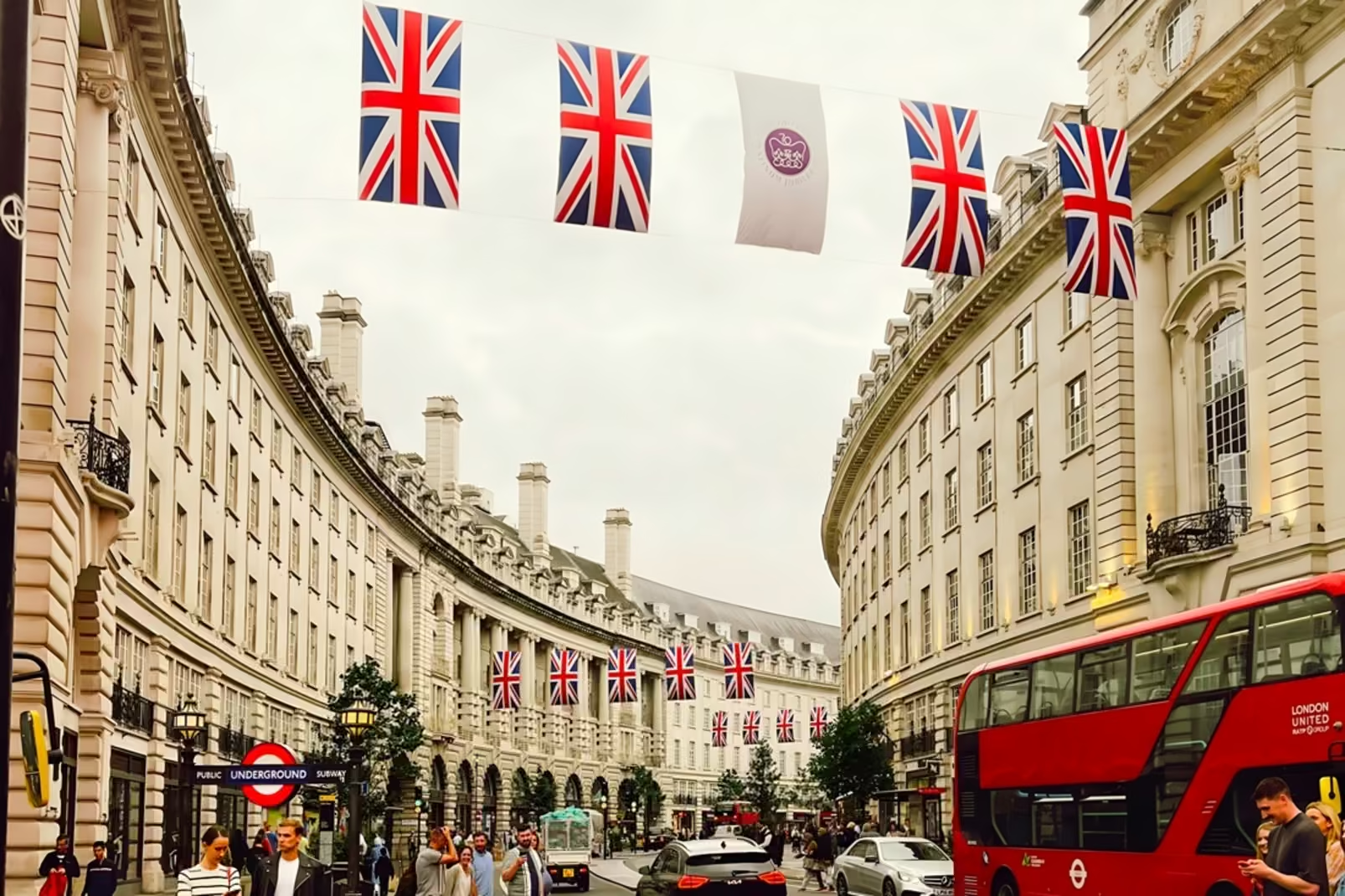
Around this time, Regent Street, Oxford Street, and Bond Street developed into some of London’s key retail destinations, with major brands and flagship stores attracting large numbers of visitors to the area.
Other developments, such as Shaftesbury Avenue and Charing Cross Road, improved access between theatre districts and commercial streets, helping transform the West End from a residential area into a major business centre.
Mid – Late 19th Century: Rise of theatre and entertainment
In the late 19th century, the West End emerged as the centre of theatre and entertainment in London. A large number of theatres opened around Covent Garden and Leicester Square, creating what is widely known as Theatreland.
The popularity of these venues supported the growth of restaurants, hotels and other businesses, reinforcing the West End’s role as a major cultural and commercial centre.
Late 19th Century – Present: Diverse mix of industries across the district
As retail and entertainment activity grew, businesses increasingly began renting office space across the West End. Over time, industries including finance, media, fashion and creative services established a strong presence due to the area’s central location, prestige, and proximity to clients.
This shift helped establish the West End as one of London’s most important business districts, and today it remains a highly sought-after location for companies seeking[NR2.1] office space to rent in Central London.
Why Office Space in the West End is in Demand
There are several factors that contribute to the West End’s strong demand for office space:
Limited new office developments in conservation areas
The West End office market is largely characterised by its limited supply of new workspace. Around 70% of the buildings in the district sit within conservation areas, particularly around Mayfair, St James’s, and Soho. As a result, planning restrictions and historic buildings limit large-scale redevelopment, making new office buildings rare.
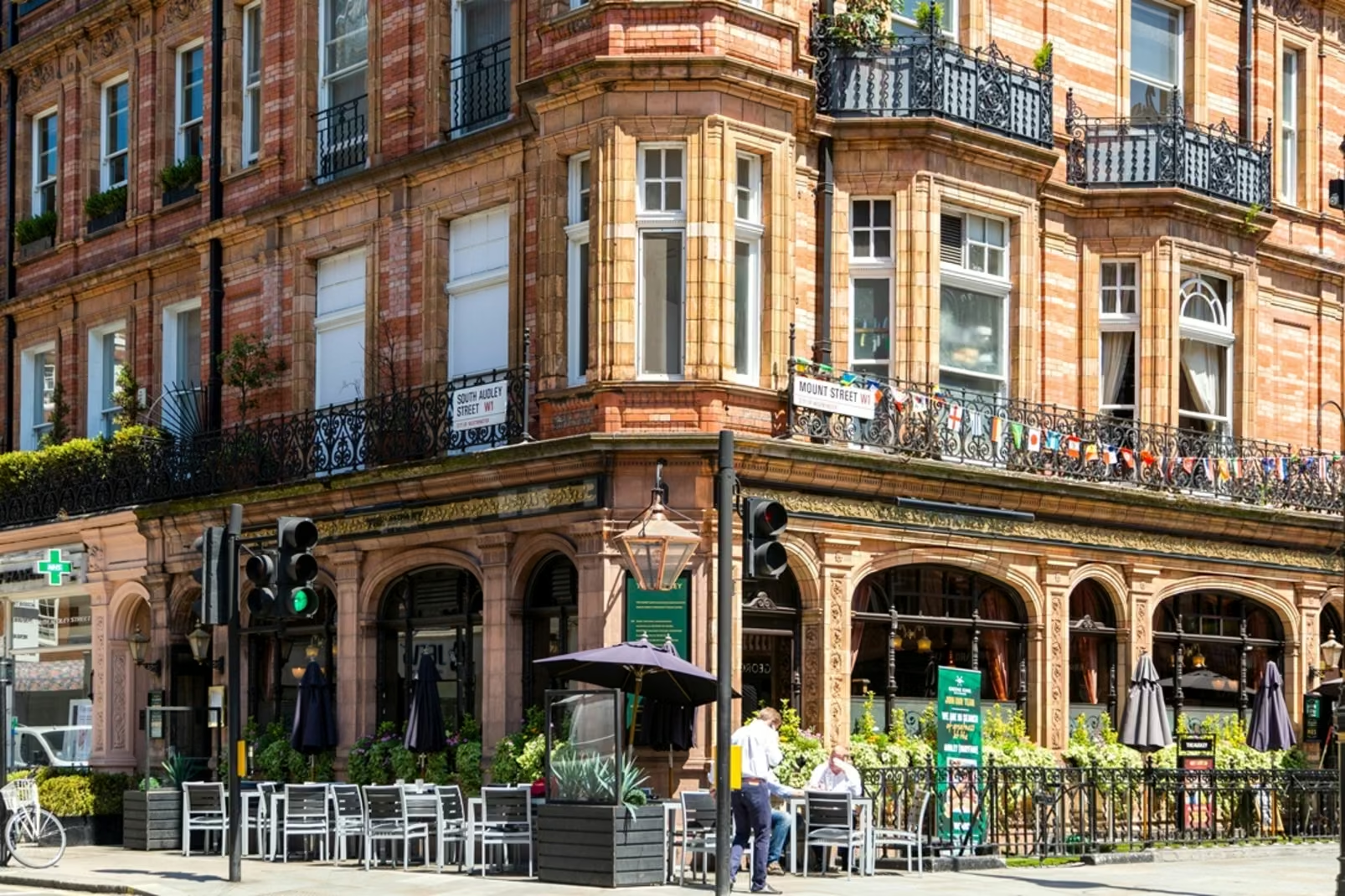
From our experience helping companies search for office space to rent in London, this constrained supply is one of the key reasons that the West End remains such a competitive market.
A large share of West End offices are located in Georgian townhouses
Many offices in the West End are located within converted Georgian townhouses and historic commercial buildings. These properties typically offer smaller floorplates compared with modern office developments in the City or Canary Wharf, which often appeals to SMEs and growing companies.
Because of this, we frequently see these businesses choose serviced or managed offices in the West End, allowing them to operate in Central London without committing to large office space or long-term leases.
Industries cluster across the West End
While Mayfair and St James’s typically attract organisations seeking a prestigious business address, other areas of the West End have developed strong associations with different industries. For example, Soho is widely recognised as being home to media, film, and creative companies, while several digital and tech-based businesses are based in Fitzrovia.
In our experience, companies often prefer to locate near clients, partners, and others in the same sector, creating industry clusters that help sustain strong demand for office space in the West End.
Refurbished buildings combine character with modern interiors
We regularly see historic buildings converted into serviced offices across the West End. Many older properties have been refurbished to provide modern workspaces and facilities while retaining their historic character.
These options are particularly attractive to organisations seeking characterful, flexible workspace in Central London, contributing to continued demand for offices across the West End.
Multiple Underground stations throughout the district
Many offices are within a 5–10 minute walk of more than 10 Tube stations. These include Bond Street, Tottenham Court Road, Oxford Circus, Piccadilly Circus, and Leicester Square, which provide access to nine Underground lines, the Elizabeth Line, and National Rail services.
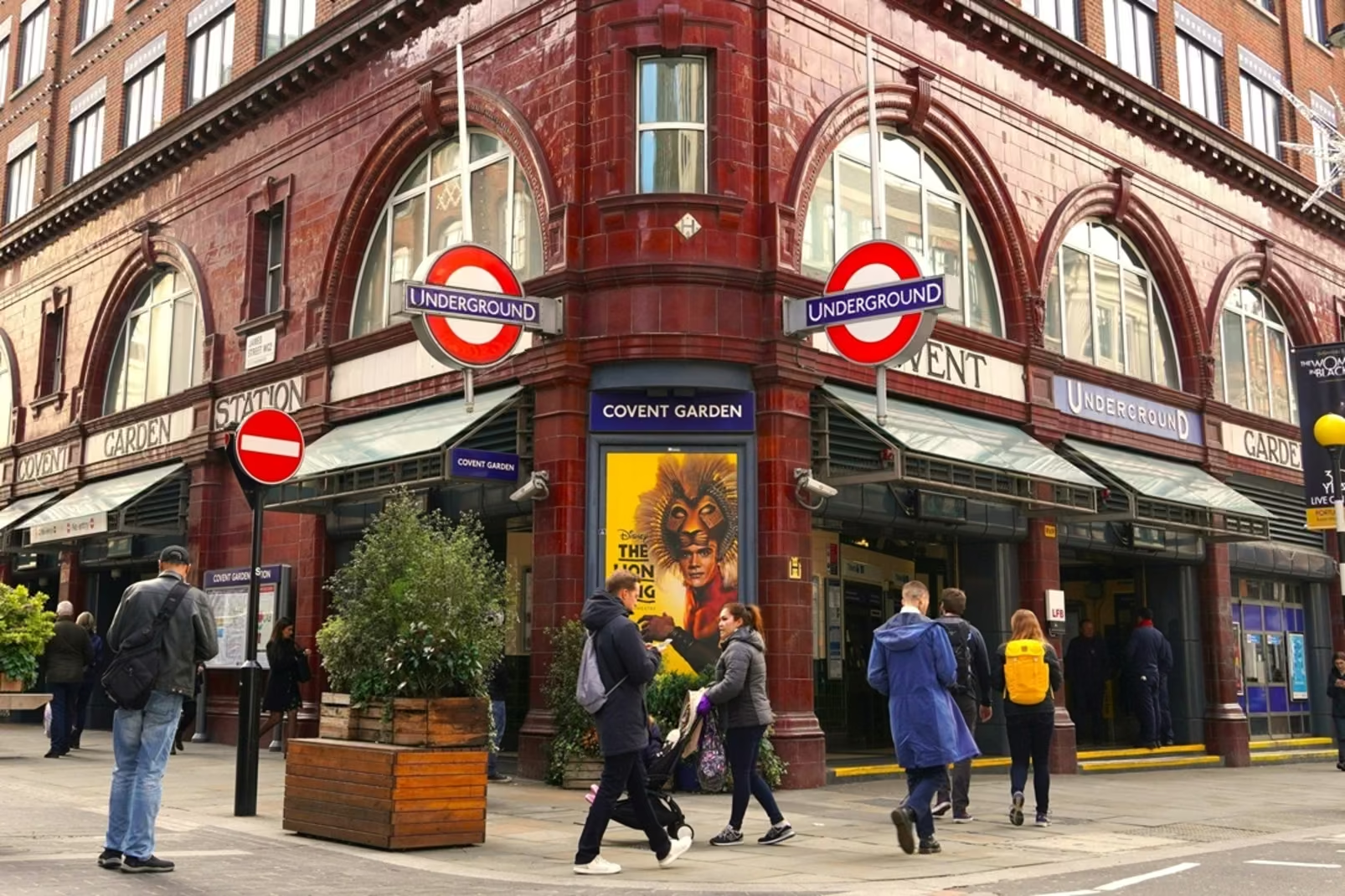
When helping organisations search for office space, we find well-connected locations often attract greater interest, as they make commuting across the city easier.
What Amenities and Atmosphere Define the West End?
Theatreland and cultural attractions
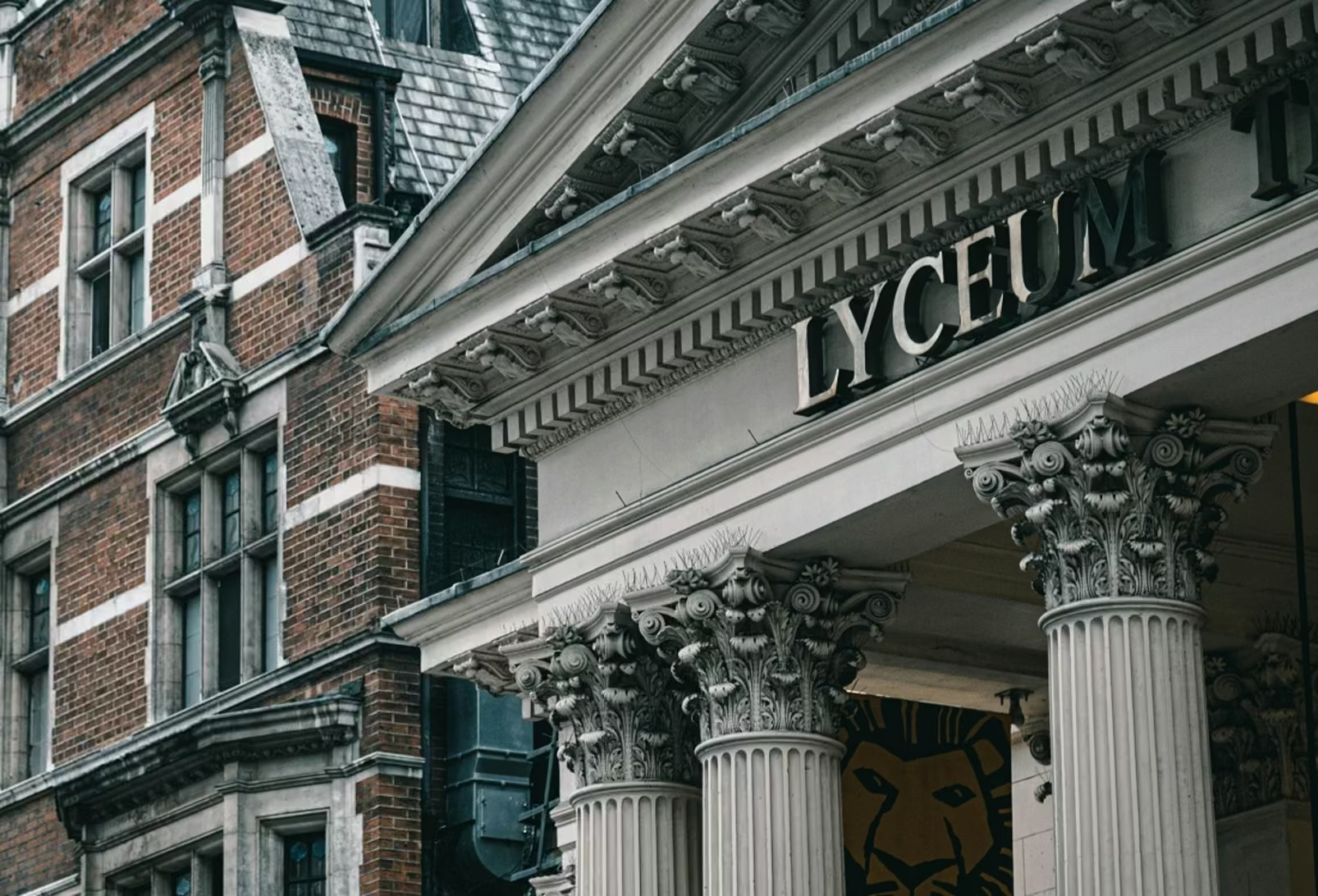
Covent Garden and Leicester Square contain London’s largest concentration of theatres, with many venues located along Shaftesbury Avenue.
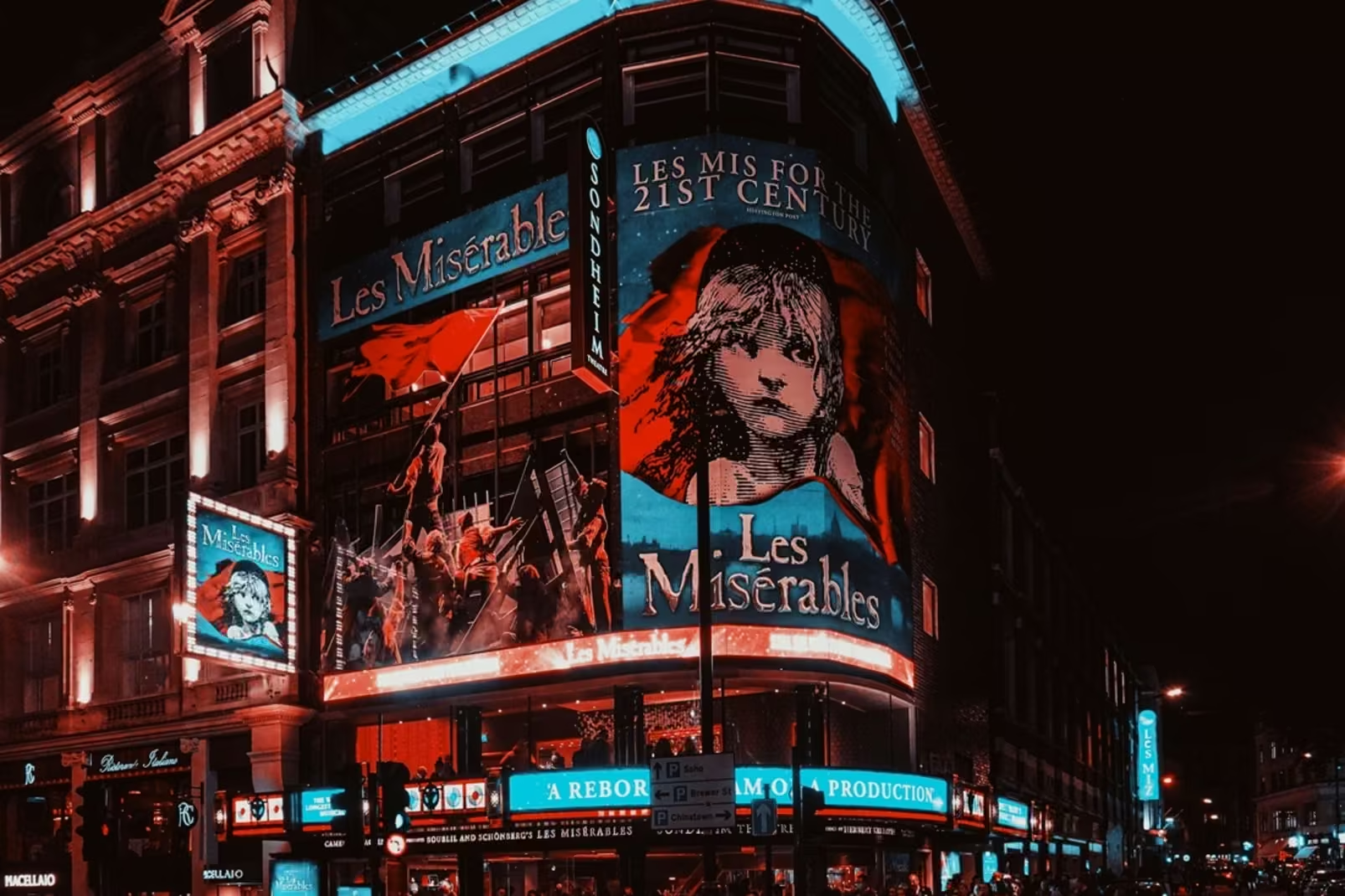
The area is also home to major cultural institutions such as The National Gallery, The Royal Academy of Arts, London Transport Museum, Somerset House, and the Royal Opera House.
Together, these venues help define the West End as one of London’s leading cultural districts, creating a vibrant environment that continues to attract businesses to the area.
Lively dining scene
The West End features one of the most diverse and busy dining scenes in London, particularly around Dean Street, Carnaby Street, and Old Compton Street in Soho. Other popular food destinations include Chinatown, Seven Dials Market, Kingly Court, and Berwick Street Market.
Many of the clients we work with say the variety of food options within walking distance makes the West End especially appealing for everyday lunches, client meetings and informal team gatherings.
Major retail corridors
Retail also continues to play a major role in shaping the district, with independent boutiques, high-end brands, flagship stores, and well-known department stores like Selfridges and Liberty London.
These major shopping corridors reinforce the West End’s reputation as one of London’s most important commercial areas. We find that the high levels of footfall they generate often attract enquiries from fashion brands, luxury retailers and consumer-facing businesses.
Historic garden squares
Despite the district’s dense layout, the West End includes several historic green spaces such as Soho Square, Hanover Square and Golden Square.
In our experience, access to quieter outdoor areas is highly valued by organisations when choosing where to rent office space, particularly in central London, where surrounding streets tend to be busier. This supports employee wellbeing and enhances the West End’s appeal as an office location.

Traditional pubs and live music venues
The West End also has a strong nightlife scene. Traditional pubs around Covent Garden, including The Lamb and Flag and The Cross Keys, offer historic charm and are popular for informal catch-ups. In addition, the area is home to numerous cocktail bars and live music bars such as Ronnie Scott’s and The Piano Works.
These venues help keep the West End busy well beyond the working day, reinforcing its position as one of London’s most dynamic business districts.
Over time, London’s West End has evolved into one of the most established office markets in the world. Its combination of heritage buildings, limited workspace supply, and strong demand from a wide range of industries continues to shape the area’s competitive office market.
For businesses, the West End offers not only a prestigious address but also access to world-class amenities, cultural attractions, and a vibrant working environment.
If you’re exploring office space in the West End, our team can help you compare options and find a solution that fits your requirements.