Choosing the right office space is about more than just location and size. The facilities that matter most vary significantly depending on the industry, how your business operates, and what your team needs day to day.
This article highlights the amenities we see businesses prioritise when searching for office space to rent, from finance firms and tech startups to creative agencies and wellness companies.
Finance and Legal Firms
Financial and legal firms prioritise office facilities that protect sensitive information and support confidential client work.
Private director offices
In our experience, staff in financial advisory and legal businesses need enclosed, secure spaces to carry out sensitive work. Private offices reduce the risk of confidential documents and discussions being seen or overheard by others.
High-spec, soundproof meeting rooms
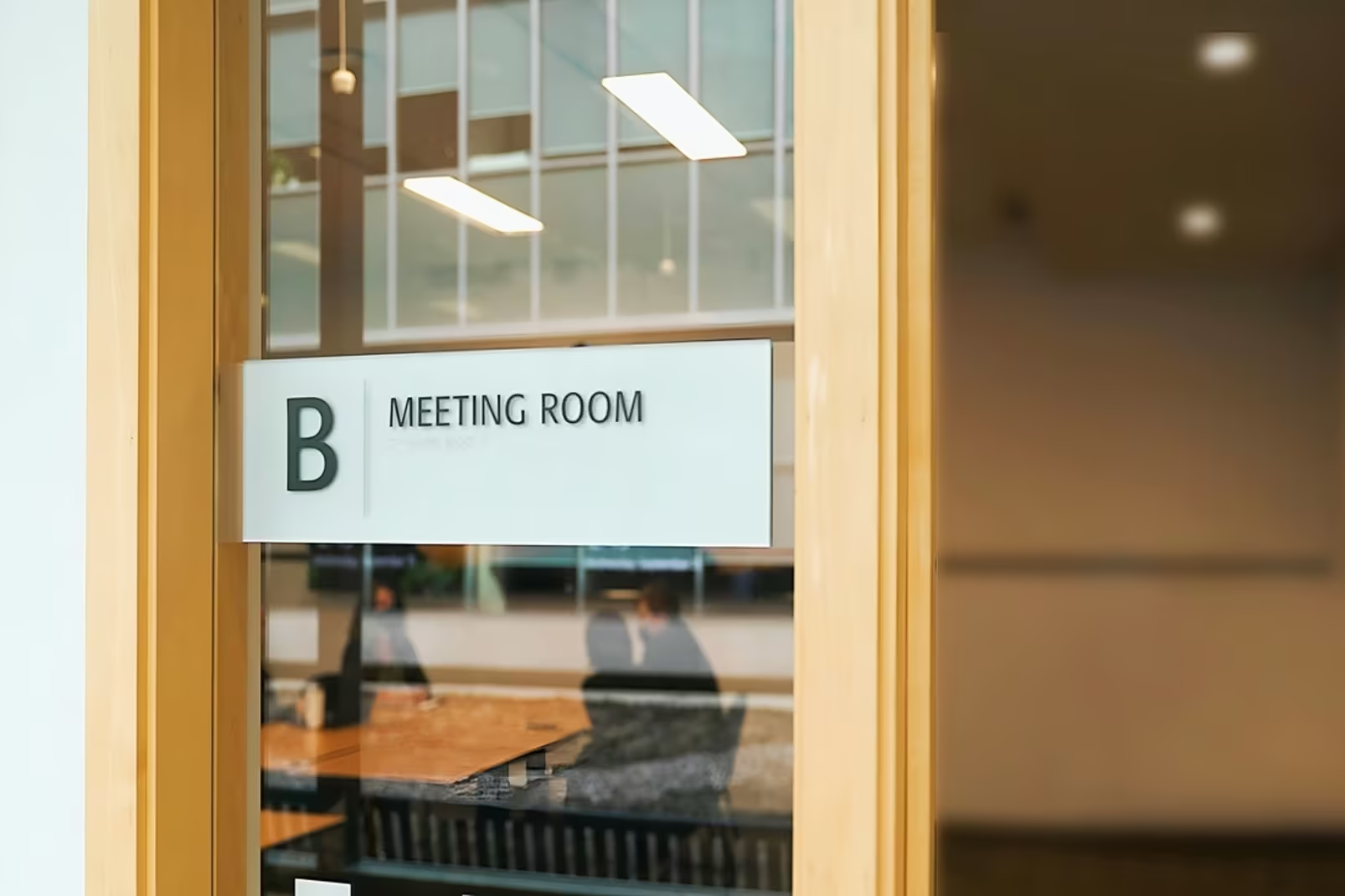
Clients in these sectors frequently hold meetings involving disputes, negotiations, or high-value transactions. As a result, we often see companies insist on fully soundproofed rooms to ensure conversations are contained.
Access control systems
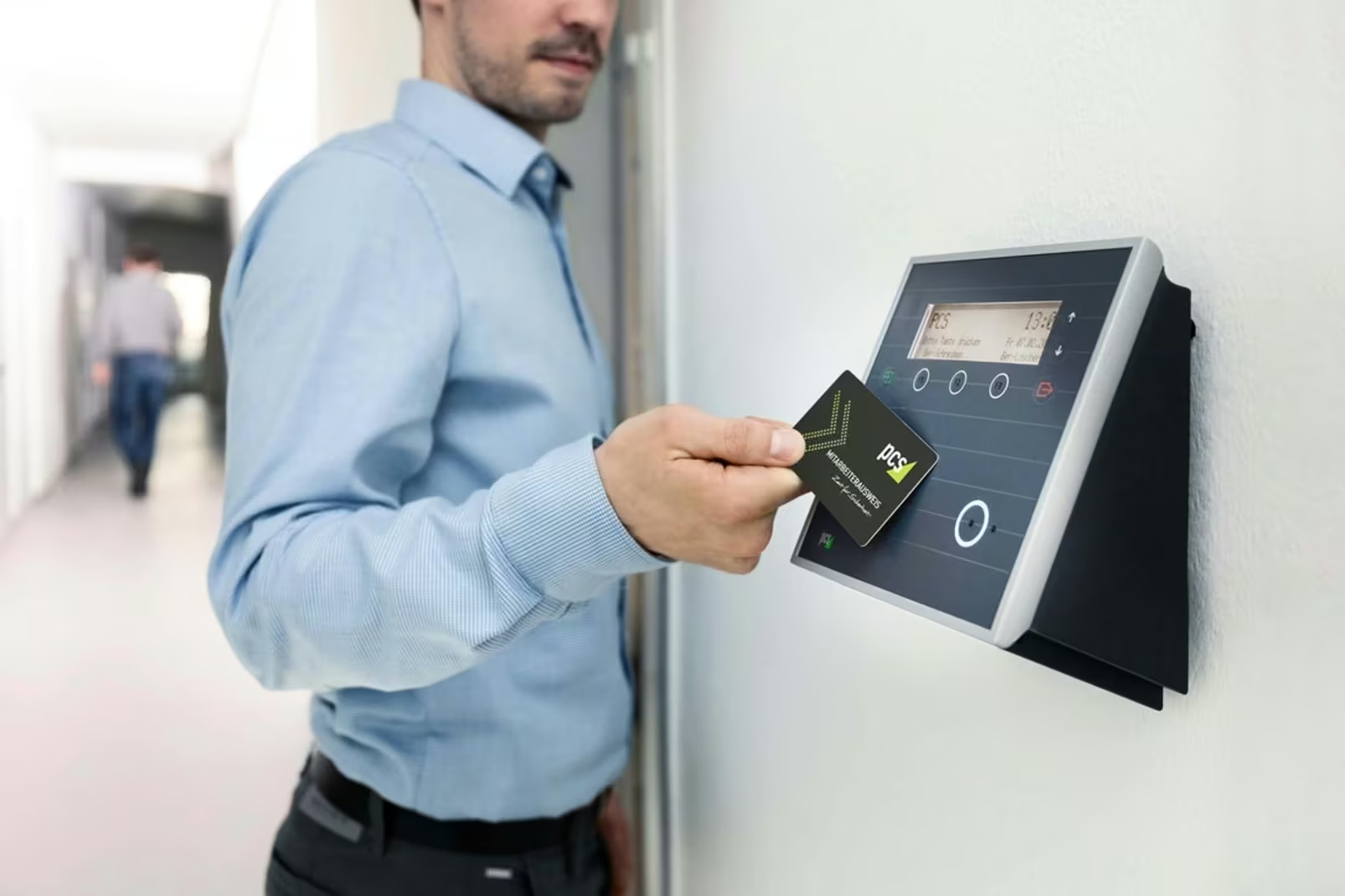
We regularly see teams enquire about controlled access systems and keycard entry. This restricts movement within the office and ensures that sensitive documents and data are only accessible to authorised staff.
Prestigious office environment
A well-presented space in a recognised location reinforces credibility and reputation. We frequently receive enquiries for serviced and managed offices in the City, Mayfair and St James’s from firms looking to align their workspace with client expectations.
Tech Companies and Startups
Tech companies and startups often require facilities that support rapid growth, connectivity and collaboration.
Flexible layouts
Adaptable, reconfigurable spaces allow teams to scale quickly or restructure without disruption. This avoids the need to relocate or invest in costly refits, which is particularly important for startups managing growth while operating on tight budgets. Although serviced offices typically do not permit structural changes, this flexibility can still be achieved by using temporary partitions.
High-performance internet
We often hear from SaaS companies and development teams that slow or unstable connections delay updates, interrupt testing and affect user experience. As a result, fast and reliable internet with backup is a baseline requirement for businesses within these sectors.
Phone booths and quiet pods
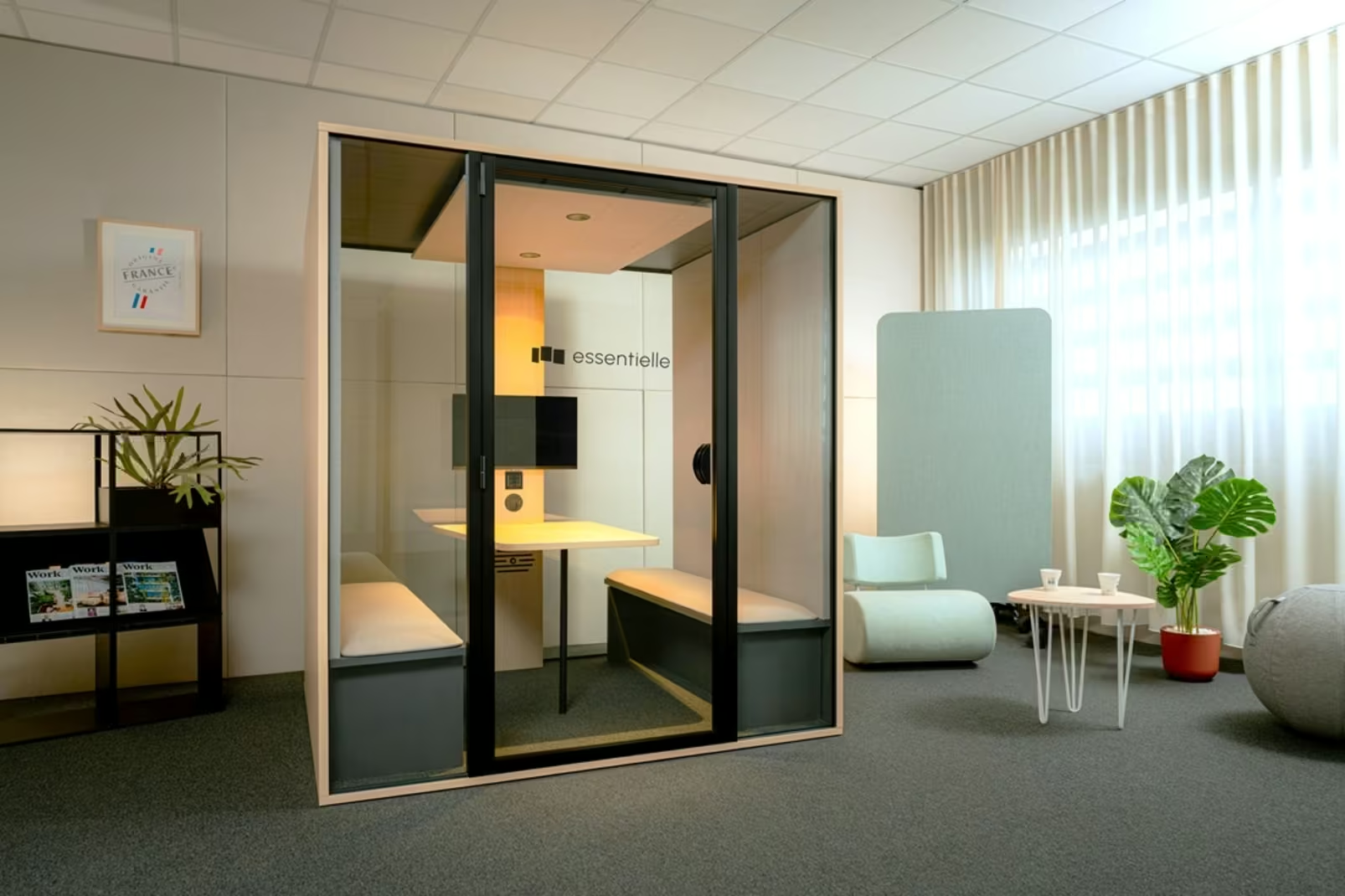
While open-plan environments support collaboration, they do not suit all types of work. Developers often need uninterrupted time for coding, while sales and product teams require a quiet space for regular calls without disrupting the rest of the office. We find that phone booths and pods are particularly useful in hybrid setups, where video calls and conferences are essential.
Collaborative zones
Product and development teams rely on regular team check-ins, planning discussions, and quick problem-solving to resolve technical issues and plan upcoming releases. Dedicated collaboration zones allow these discussions to happen quickly, without the need to book formal meeting rooms in advance.
24/7 building access
Many tech businesses work outside of standard office hours and operate across different time zones. We often see these companies rule out options on their office shortlists which do not permit 24-hour access.
Creative and Media Agencies
Creative and media agencies need office space built around idea sharing, visual collaboration, and brand expression.
Open-plan layouts
Designers, marketers, and content teams regularly review creative work and refine ideas together. Open-plan layouts make it easier for teams to quickly share feedback and collaborate on designs and campaigns.
Breakout areas
In our experience working with creative agencies, some of the best ideas come from informal, unplanned discussions. Breakout spaces give teams a place to step away from their desks to pitch ideas, debrief after shoots, and refine concepts more freely.
Writable walls and brainstorming areas
Campaigns, content plans and creative concepts often need to be mapped out visually. Writable walls provide a practical working surface that allows teams to brainstorm, sketch, and revisit ideas throughout different stages of a project.

Customisable interiors
Creative businesses often have a strong sense of identity, and the office plays a key role in how this is expressed to staff and clients. We find that managed office space is often the best fit, as it allows greater customisation and creative freedom, ensuring the space reflects the brand.
Relaxed, informal environments
A more informal, relaxed setting helps teams feel more comfortable when experimenting or sharing ideas that are still a work in progress. From our experience, environments that feel more like studios than traditional office space often lead to stronger collaboration and a more natural creative culture.
Professional Services
We typically see consultants, accountants, recruiters, and similar firms prioritise office facilities that support regular meetings, focused work, and a well-presented environment.
Bookable meeting rooms
Client meetings, briefings, and project reviews are a regular part of day-to-day work for businesses within this sector. As a result, meeting rooms must be easy to reserve and available at short notice. Many of the serviced offices we market include meeting spaces in their all-inclusive packages, allowing teams to use them at no additional cost.
Reception Services
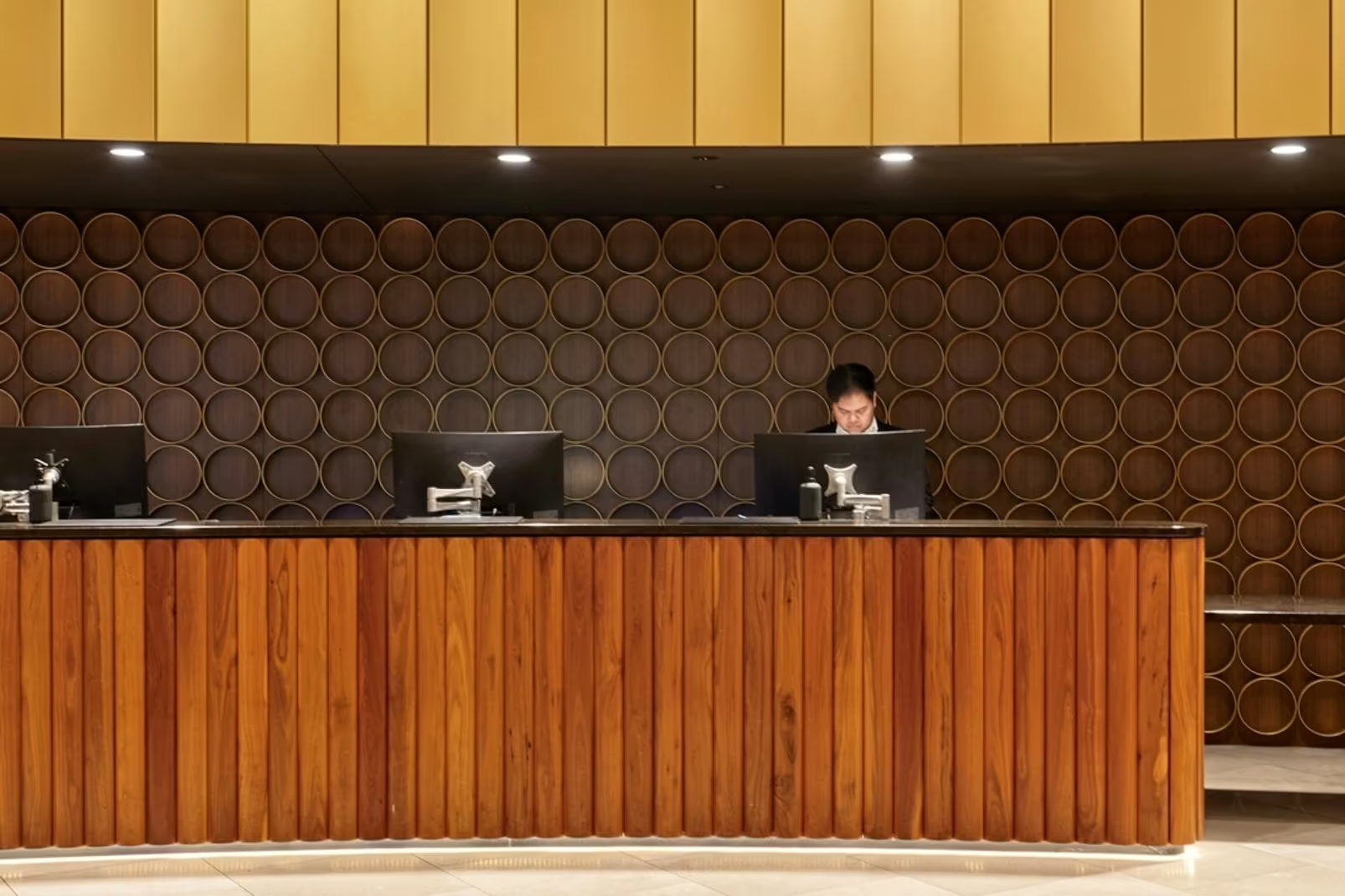
We frequently see accountancy firms and consultants enquire about office space with a staffed reception that greets visitors, manages arrivals efficiently, and helps reinforce a company’s reputation. For businesses built on relationships and trust, first impressions often play a key role in how they are perceived.
Quiet workspaces
Professional services teams also spend significant time preparing reports, analysing data and completing detailed client work. In our experience, firms often prioritise quieter areas that support concentration and reduce the risk of errors when looking to rent office space.
Central Locations
A well-connected location makes it easier for people to travel in for meetings, reducing delays and making in-person interaction more practical. We often see strong demand for serviced offices in London’s key business districts, such as the City, Canary Wharf, and the West End, where stations like Bank, Liverpool Street, and Tottenham Court Road offer access to multiple transport links.
Call Centres and Support Teams
For call centres and support teams, the focus is on efficiency, with office space designed to handle high volumes of work over long shifts.
High-density layouts
Customer support teams need to accommodate a large number of staff working simultaneously. We often see layouts designed to maximise desk space, with clearly defined team areas that improve workflow and make it easier to manage and monitor daily performance.
Noise control measures
In busy call centres where multiple conversations happen at the same time, it can be difficult for agents to hear customers clearly. Using acoustic panels and sound-absorbing materials helps reduce background noise, improve focus, and maintain consistent call quality.
Telecom infrastructure
Continuous inbound and outbound calls require reliable systems and building infrastructure that can support high-capacity telecom setups without delays or dropped connections. In our experience, larger serviced or managed offices are better equipped to provide this level of capability than smaller, boutique spaces.
Structured team areas
We often see businesses group staff by team or function to improve communication and day-to-day supervision. In high-volume environments, a well-organised layout can significantly improve overall efficiency.
Breakout areas
Intense call handling can be repetitive and demanding. As a result, providing dedicated spaces for downtime allows employees to rest and recharge between shifts, helping maintain consistent performance throughout the day. In a sector where retention is often a challenge, well-designed breakout areas can prove essential.

Healthcare and Wellness
We are increasingly seeing healthcare providers, including therapists, consultants and wellness practitioners who do not require a full medical fit-out, move into specialised office space, particularly in Central London. These businesses require facilities that support privacy, client comfort and a calm working environment.
Private Consultation Rooms
Practitioners need enclosed rooms where clients can discuss personal, emotional, or medical concerns without being seen or heard by others. Clients need to feel confident that the information they share stays within that space to build trust.
Soundproofing
Effective soundproofing helps to ensure that these conversations remain confidential, whilst preventing background noise from interrupting the session. This provides a calm environment, putting clients at ease.
Waiting areas
Comfortable waiting areas can also help reduce anxiety, particularly for individuals who may be nervous or arrive early. We often advise healthcare providers to assess whether the reception area meets this standard when evaluating office space for rent.

Accessible design
Companies within this sector serve a broad range of individuals with varying mobility and accessibility needs. As a result, inclusive office design, including step-free access, lifts and clear, navigable layouts, is often a baseline requirement rather than an optional extra.
Calming interiors
The physical environment can directly impact how people respond during their sessions. We often see therapists and wellness professionals prioritise neutral colour schemes, soft natural light, and minimal visual distractions, which help minimise anxiety and make clients feel more comfortable.
The most effective office facilities vary across industries and should reflect how a business operates in practice.
In our experience, companies that take a more focused, needs-led approach when exploring office space for rent are far more likely to secure a space that supports performance today and can adapt as the business grows. Taking the time to identify what truly matters makes it easier to avoid unsuitable spaces and make more confident, long-term decisions.