Before renting a London office with parking, businesses should know that availability varies significantly depending on location, building type, and provider. Parking is often charged separately from rent and is particularly limited in Central London.
We've put together a list of the 9 things we believe are most important when searching for an office space to rent in London with parking, helping businesses identify suitable options and avoid unexpected costs.
Parking Across London
Types of Building
Parking Costs
Additional Driving Charges
Number of Spaces Required
Allocated vs Shared Parking
Rules and Restrictions
Visitor Parking
Future Parking Needs
Tips for Finding Office Parking in London
FAQs
1. Parking Availability and Costs Vary Significantly Across London
The availability of office parking varies considerably across London, and the location you choose can have a major impact on the number of spaces and cost.
Central London typically offers very limited on-site parking, and in our experience, some offices in areas such as Soho, Mayfair, and the City of London provide almost no parking at all. This is largely due to dense development and the high value of commercial space in these areas.
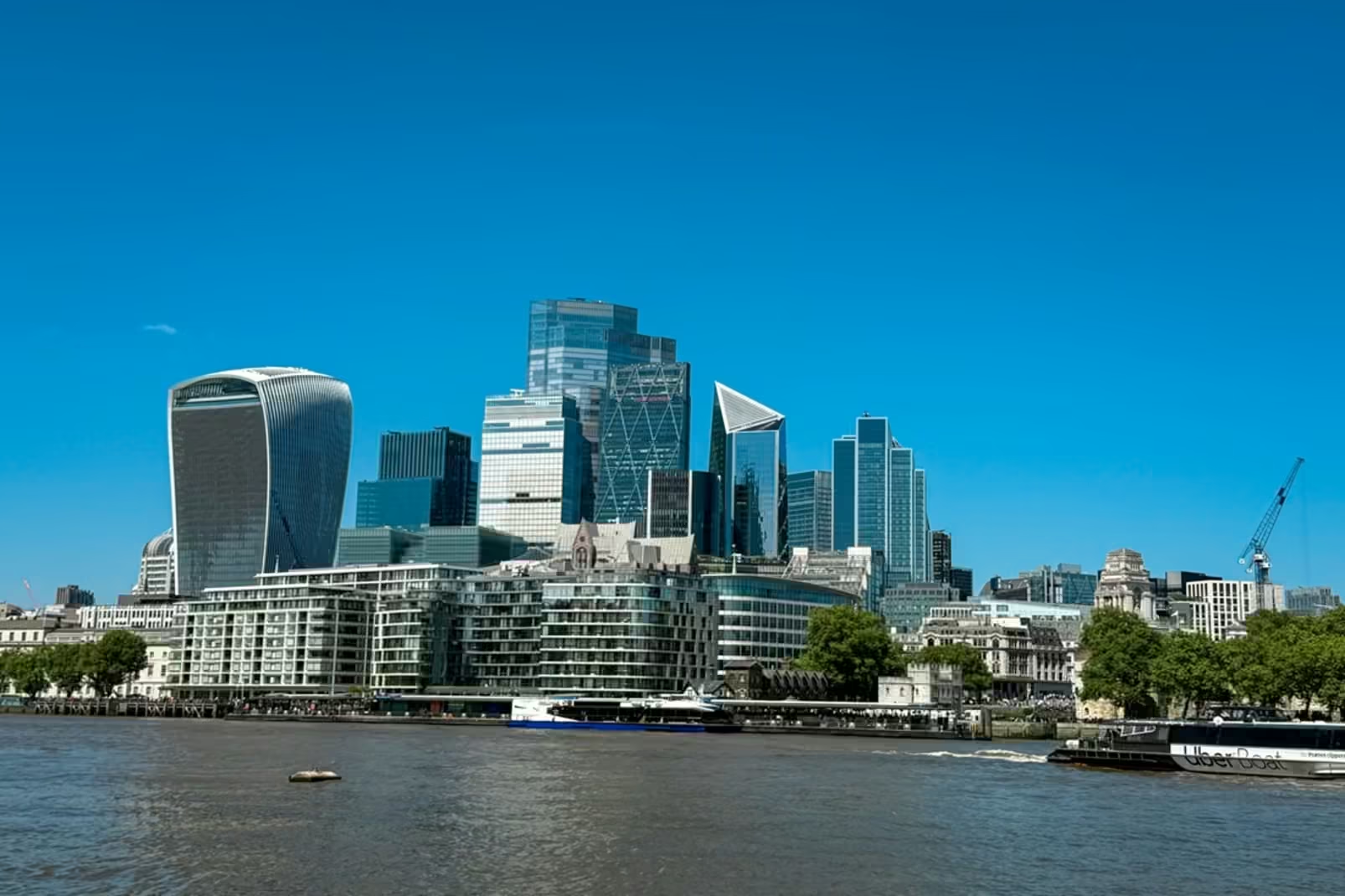
Planning restrictions also limit the number of parking spaces new developments can include to reduce congestion and promote sustainable travel. We also note that many landlords prefer to maximise lettable office space rather than allocate space for parking. This includes converting any basement and ground floor space into communal facilities such as gyms, bike storage, and cafes.
As a result, companies based in Central London frequently have to compromise on their office location or use more expensive commercial car parks.
We find that parking is generally easier to secure for our clients in Greater London, and offices in areas like Croydon, Stratford, Wembley, and Hammersmith normally offer more parking at a lower cost. We often recommend business parks to companies with significant parking requirements, as they typically offer the most parking spaces.
2. The Type of Office Building Can Determine Parking Availability
The type of office building you choose can also influence parking availability.
Period Office Buildings
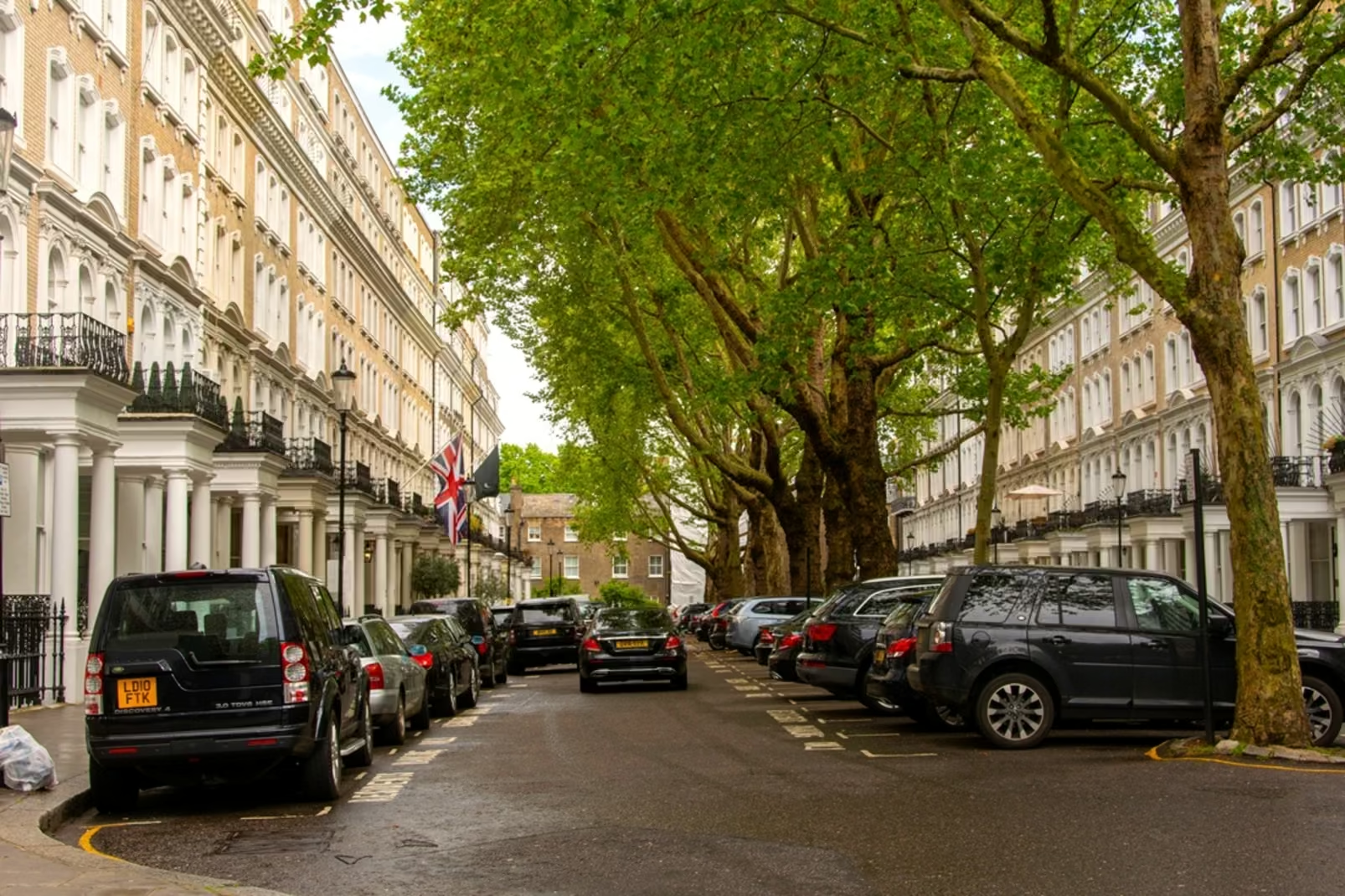
Period properties usually offer limited office parking, particularly within converted townhouses and listed buildings, where structural changes are restricted. Therefore, occupiers typically must rely on nearby public car parks or on-street parking.
Modern Office Buildings
Newer office developments are more likely to include secure parking and EV charging points, as this can be considered at the planning stage, rather than added later.
However, we find that many serviced office providers we work with in London tend to prioritise cycle storage and end-of-journey facilities such as showers and changing rooms over parking, as occupiers increasingly value wellbeing and ESG credentials.
Large Office Buildings and Business Parks
Larger office buildings generally offer more allocated or shared parking facilities and are often better suited to businesses that require multiple parking spaces.
Business parks are often designed around car access and include significantly more parking spaces, which we find attracts businesses with large numbers of employees who commute by car.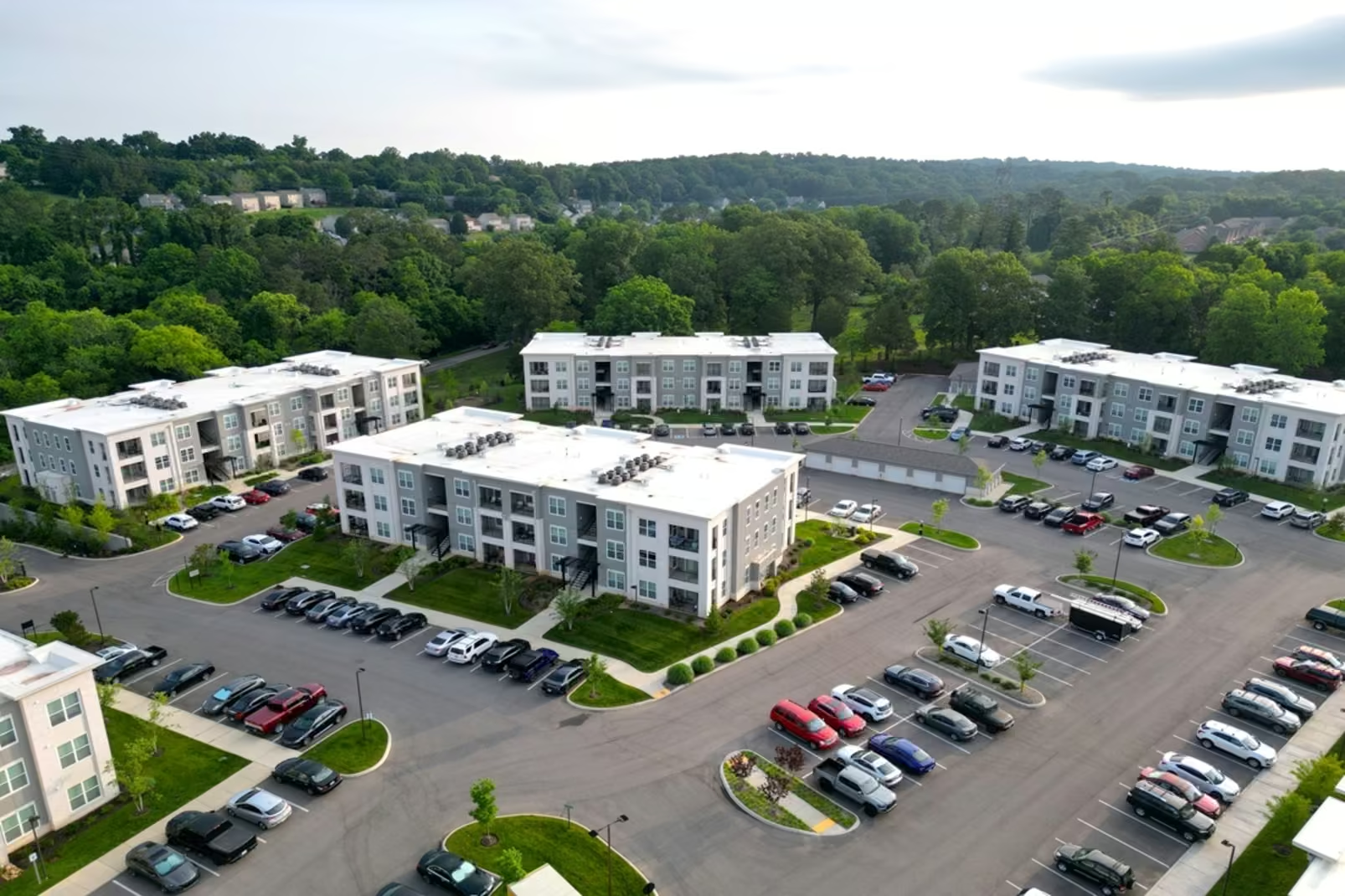
3. Office Parking Is Rarely Included in the Rental Price
When clients enquire about office space, they often assume that, when offered, parking is included with the price, but this is not always the case.
The serviced offices we market are typically offered on an all-inclusive monthly basis, and some include a small number of parking spaces within the fee. However, parking is often charged separately, particularly in Central London. Parking costs in Central London typically start from around £200 per space per month, rising to £600 or more in prestigious areas like Mayfair.
At FreeOfficeFinder, our clients often ask us to help them establish a realistic budget that accounts for additional parking charges, as failing to do so can significantly increase overall occupancy costs.
4. You Need to Factor in Taxes and Other Charges When Driving
Businesses also need to consider the additional costs associated with driving in London. Employees, clients, visitors, and suppliers driving into certain parts of London may incur daily charges depending on the route taken and vehicle used.
This includes the Congestion Charge and Ultra Low Emission Zone (ULEZ). Companies located south or east of the Thames should also be aware of charges associated with using the Blackwall and Silvertown tunnels. Businesses that provide company cars should also be aware of the tax obligations this creates for both the employer and employee.
Other costs can include fuel, EV charging fees, and visitor parking charges. We’ve found that many companies underestimate the true cost of commuting by car, and we recommend factoring in these fees from the outset.
5. Many Businesses Require Fewer Parking Spaces Than They Think
One of the most common mistakes we see is businesses overestimating the number of parking spaces they need. Hybrid and flexible working patterns have significantly reduced parking requirements and allow spaces to be shared between team members.
We’ve worked with businesses that initially requested parking for every employee, only to discover that a much smaller allocation was sufficient.
We recommend that businesses consider:
• How many employees drive to work regularly
• How often staff attend the office
• Whether spaces can be shared
• Requirements for visitors, directors, and company vehicles.
Assessing actual usage rather than estimated demand can also increase the number of suitable office options available.
6. Parking Spaces May Be Allocated, Shared, or Subject to Waiting Lists
Office parking does not operate the same way in every building. Some offices provide dedicated spaces for individual occupiers, while others offer shared parking areas or first-come, first-served parking.
Providers may also operate permit systems or maintain waiting lists for additional spaces. We've encountered situations where businesses assumed additional spaces could be secured later, only to discover this was not possible.
Therefore, understanding how parking is managed is essential, and questions worth asking include:
• Are spaces allocated or shared?
• Is parking guaranteed?
• Can additional spaces be secured in the future?
• Is there a waiting list?
• How are visitor spaces managed?
7. Office Parking Often Comes with Rules and Restrictions
Parking facilities often come with building-specific rules and restrictions, such as:
• Employee and visitor permit requirements
• Overnight parking limitations
• Access restrictions outside of business hours
• Vehicle size limitations within underground car parks
• Restrictions on commercial vehicles
• Usage policies for electric vehicle charging points
When helping organisations find a suitable office to rent, we can compare parking policies across multiple providers on your behalf, helping you identify any restrictions before signing an agreement.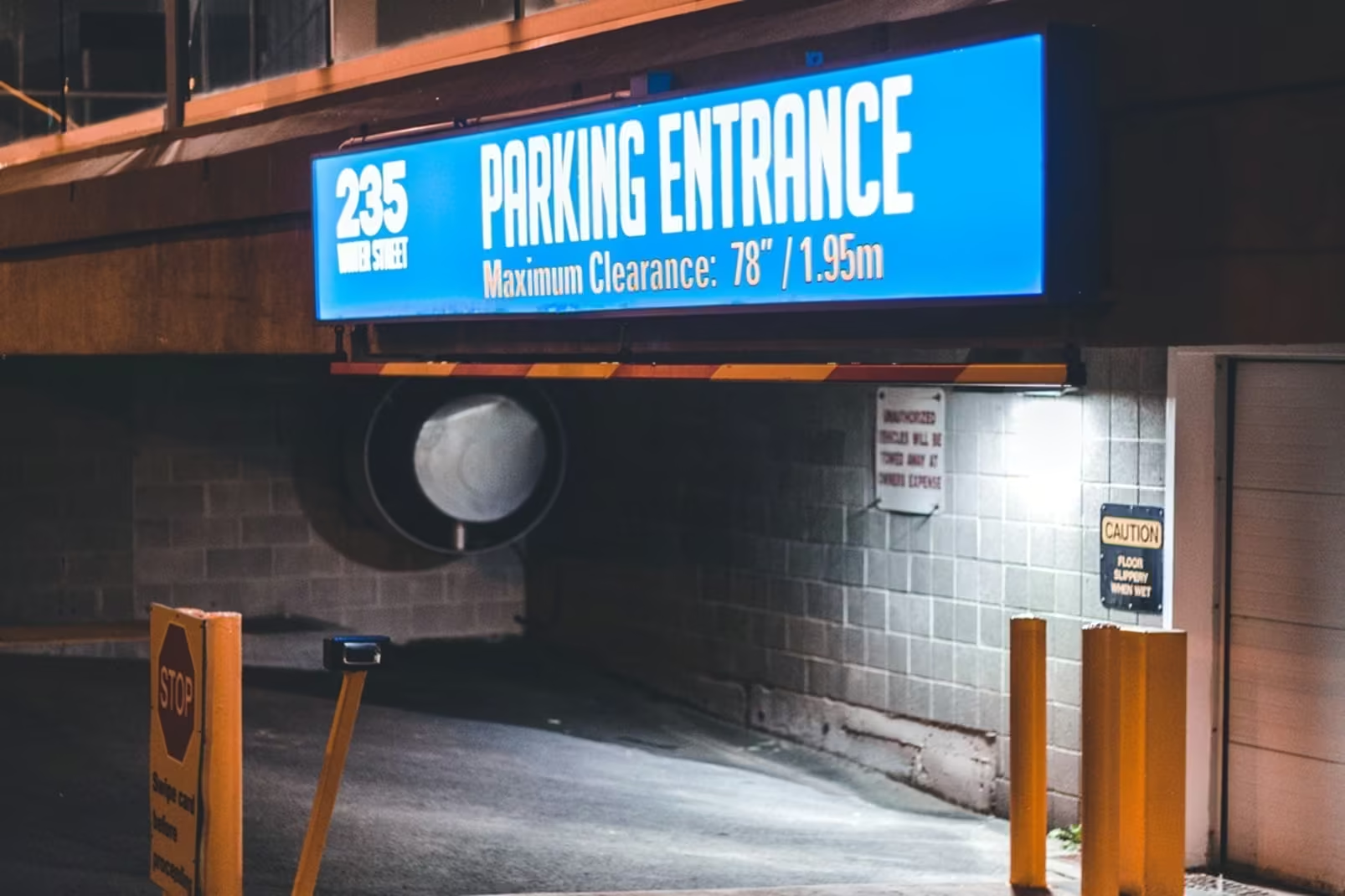
8. Visitor and Client Parking May Be Limited
Visitor parking is often far more limited than employee parking, especially in Central London. This can be a significant challenge for businesses that regularly host clients, networking events, or external meetings and in some cases, visitors may need to use nearby commercial car parks or public transport.
We find that many businesses also forget to consider delivery access requirements, which is particularly important for companies where larger, regular deliveries are expected.
9. Office Parking Needs Often Change as a Business Grows
As businesses grow, headcount often increases, and additional company vehicles may be introduced.
As mentioned above, securing additional parking spaces at a later stage is not always straightforward, therefore considering both current and future parking requirements during the office search helps to ensure a property remains suitable as the company evolves.
Tips for Finding Office Space in London with Parking
• Discuss parking requirements at the start of your office search.
• Be flexible on location if parking is a priority.
• Compare the total occupancy cost, including rent, parking charges, and commuting costs.
• Assess whether hybrid working could reduce the number of spaces required.
• Work with an experienced office broker, like FreeOfficeFinder, who is familiar with parking availability across London.
Frequently Asked Questions About Office Parking in London
Is parking included when renting office space in London?
Not always, and many offices charge separately for parking.
Do all London office buildings provide parking?
No. Many Central London office buildings provide little or no on-site parking.
Is parking easier to find outside Central London?
Typically, yes. Greater London and business park locations generally provide more parking at more affordable rates.
How many parking spaces typically come with an office?
This varies considerably depending on the building, office size, and location. Many central London offices offer no parking, while Greater London generally provides about 1 space per 100 to 150 sq. m.
Can employees share office parking spaces?
Yes. Shared parking arrangements are becoming increasingly common, particularly where businesses operate hybrid working patterns.
Are parking spaces usually allocated or shared?
Some buildings allocate dedicated spaces, while others operate shared or first-come, first-served systems.
Is secure parking available in London office buildings?
Many modern office developments and business parks provide secure parking facilities, though this varies by building.
Are electric vehicle charging points available?
EV charging facilities are now commonly included in newer office developments, but we recommend checking in advance.
Are there restrictions on using office parking spaces?
Yes. Restrictions may include permits, overnight parking rules, vehicle size limits, and access restrictions.
What alternatives are available if an office does not have on-site parking?
Businesses often rely on nearby commercial car parks, on-street parking, or encourage employees to use public transport.
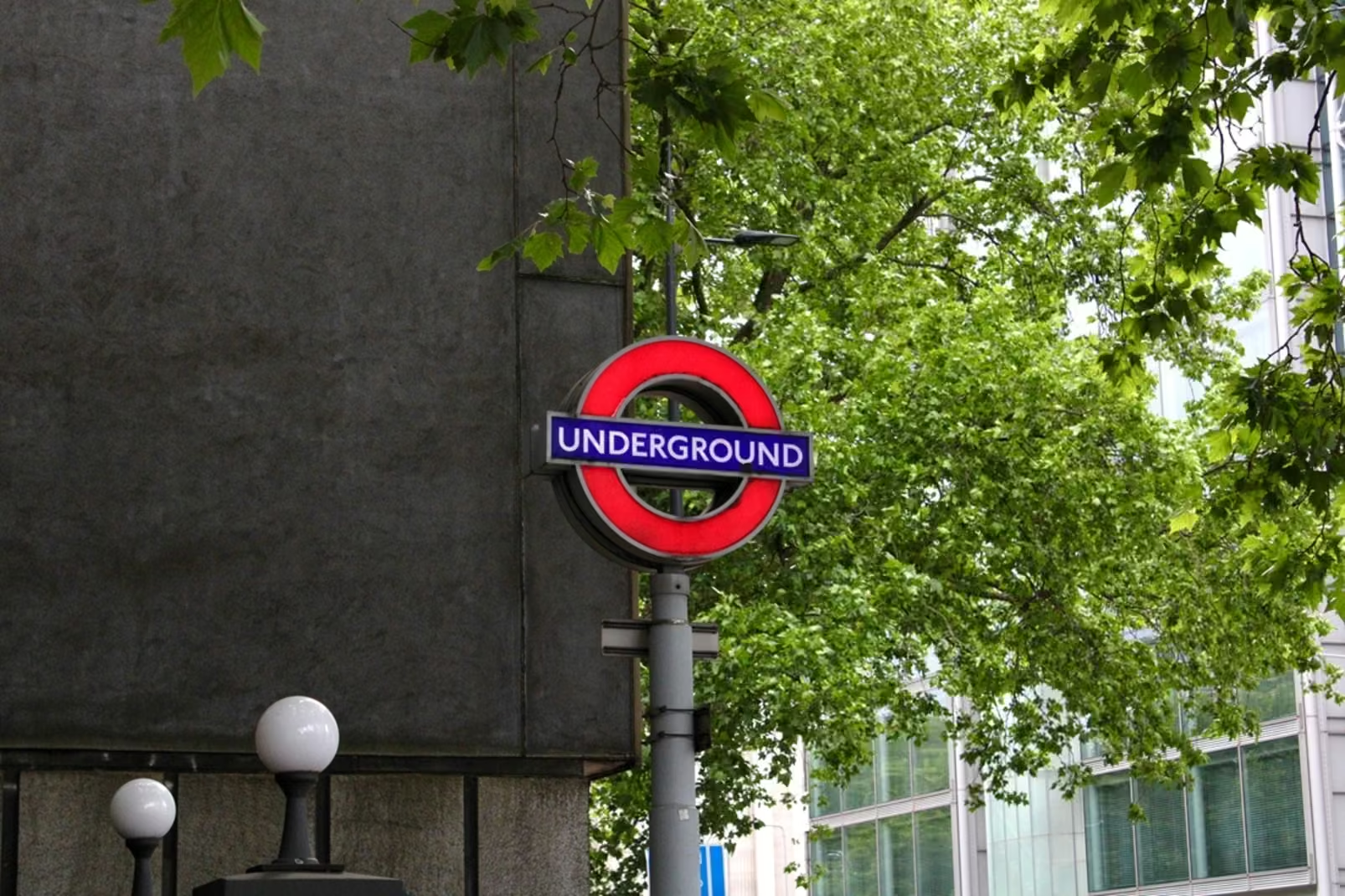
Office parking is something businesses frequently ask us about when searching for office space, with many unsure about availability, costs, restrictions, and which locations offer the best options.
We recommend discussing your parking requirements early, as we can help you determine the right number of spaces you need, explain any usage conditions, and account for any additional charges.
Get in touch with our team of experts today to find an office that meets your specific parking requirements.