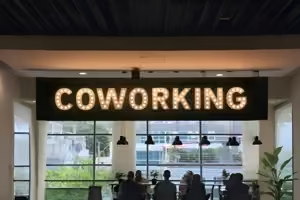

AI companies often have very different office space requirements from traditional occupiers. Specialist infrastructure, competition for talent, rapid growth, and rising pressure on energy use all influence what AI firms need from their offices.
At FreeOfficeFinder, we work with an increasing number of AI businesses, and these are the 10 requirements we find most essential.
1. Large, Adaptable Floorplates
AI companies often grow rapidly, and a team of 30 can easily become 100 within a year after a successful funding round. We find that AI companies approach floorplates differently, and size is not the only consideration. Workflows can shift quickly, and the way a team uses the space can be completely different a few months later.
During the research-led phase, teams may require quiet, individual workstations and small meeting rooms. In contrast, a product build phase might demand larger areas for collaboration.
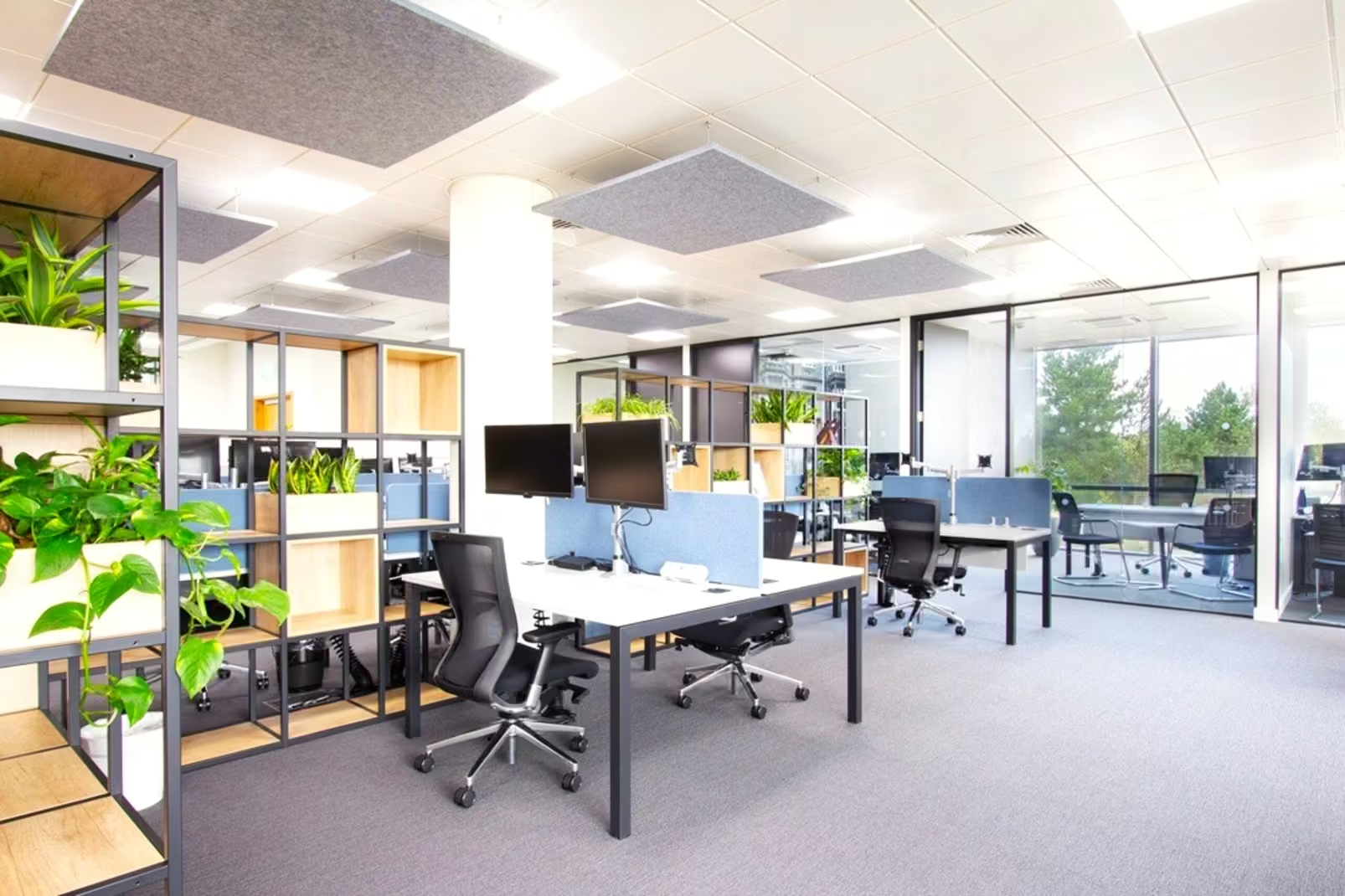
We find that open-plan workspaces, which allow businesses to change layouts, introduce new departments, or create dedicated zones, are consistently preferred. Many businesses use temporary partitions, allowing them to divide the space without committing to permanent structural changes.
In comparison, fixed, cellular floorplates offer less flexibility and can quickly become a constraint as priorities evolve and are often ruled out by AI companies.
2. Flexible Lease Terms
Headcount changes, strategy shifts, and funding cycles can all happen quickly within the AI sector, making long, rigid lease agreements less suitable for most AI businesses. In our experience, flexible terms are typically one of the first things AI firms raise when discussing their requirements.
Break clauses, expansion rights, and shorter contracts give businesses the freedom to scale, restructure, or exit without being tied into a space that no longer fits their needs. We have noticed that many AI companies find the option to upsize within the same building or provider network particularly valuable, as it eliminates the disruption of a full relocation.
We generally recommend serviced offices to AI startups. Short-term commitments, fully fitted and furnished space, and the ability to move in quickly all help to reduce risk when requirements are still taking shape.
When businesses grow and need greater control over their environment, managed offices often become more attractive. They allow greater freedom to customise the design and fit-out of the space, while avoiding the long-term commitments of a conventional lease.
As companies become more established and their space requirements become more predictable, traditional leases become a more viable option.
3. High-Capacity Power Supply and Cooling
This is one of the requirements that clearly separates AI occupiers from other office tenants. High-performance workstations and specialist on-site hardware draw significantly more power than standard office equipment. While many AI companies rely heavily on cloud computing, not all processing and storage can be handled remotely.
Before committing to an office, we recommend that our clients establish the available power capacity, whether backup power is in place, and whether the cooling infrastructure can handle the heat output of high-density equipment.
Many standard offices, including some Grade A buildings, fall short of these requirements, and costly upgrades are not always practical once a business has moved in.
4. Space for Technical Infrastructure
Beyond power and cooling, AI companies also require dedicated space for specialist equipment that is not included in a standard office fit-out. This can include hardware testing environments, prototype equipment, specialist workstations, and technical infrastructure. Secure storage for high-value devices and equipment is also frequently requested by AI clients we work with.
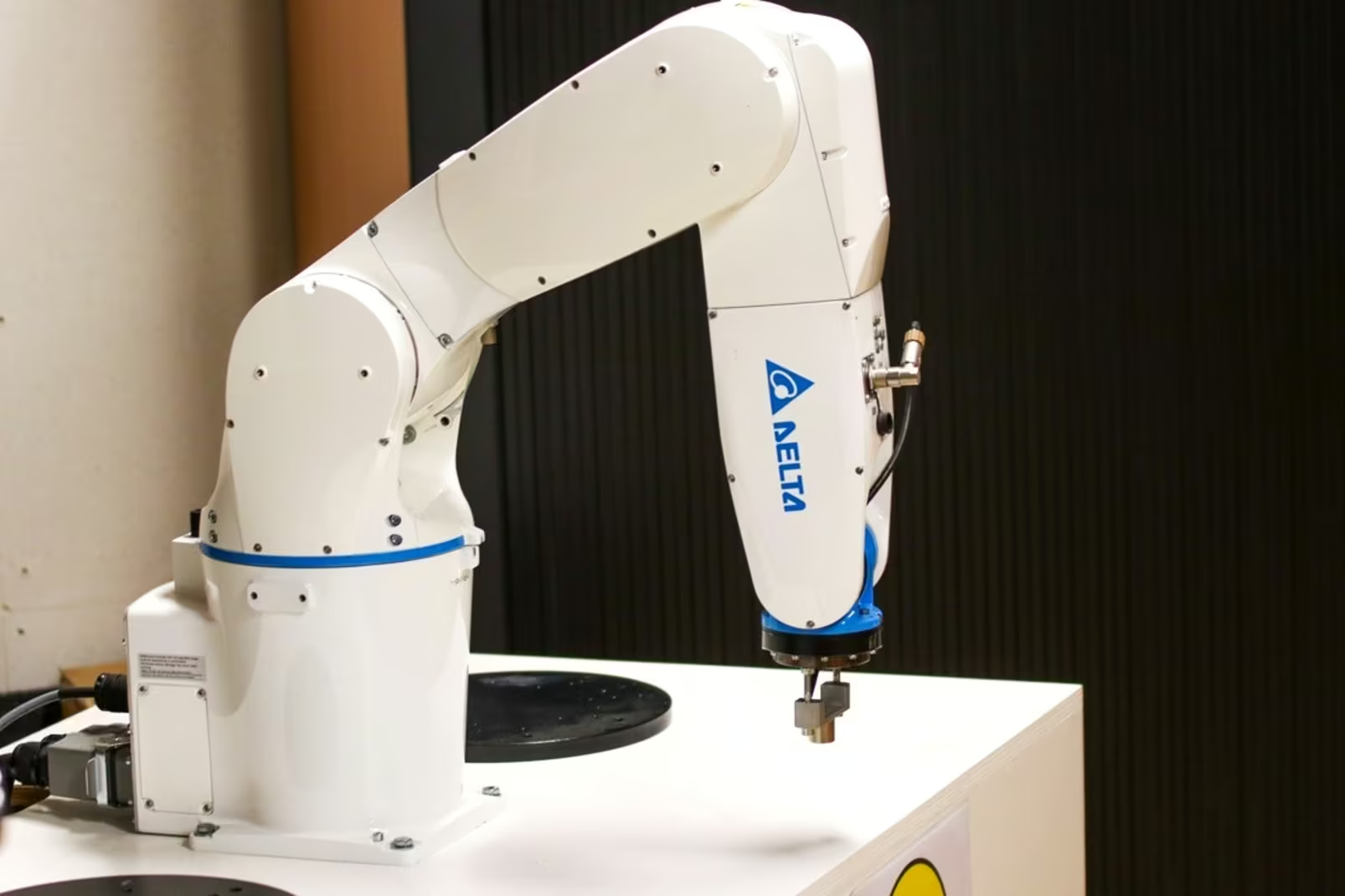
We often see teams arrive at a viewing with a list of requirements that go well beyond what a standard office tour covers. Therefore, asking the right questions early on about the available technical space, room configurations, and whether the floor can support heavy equipment helps to save significant time.
5. High-Speed, Redundant Connectivity
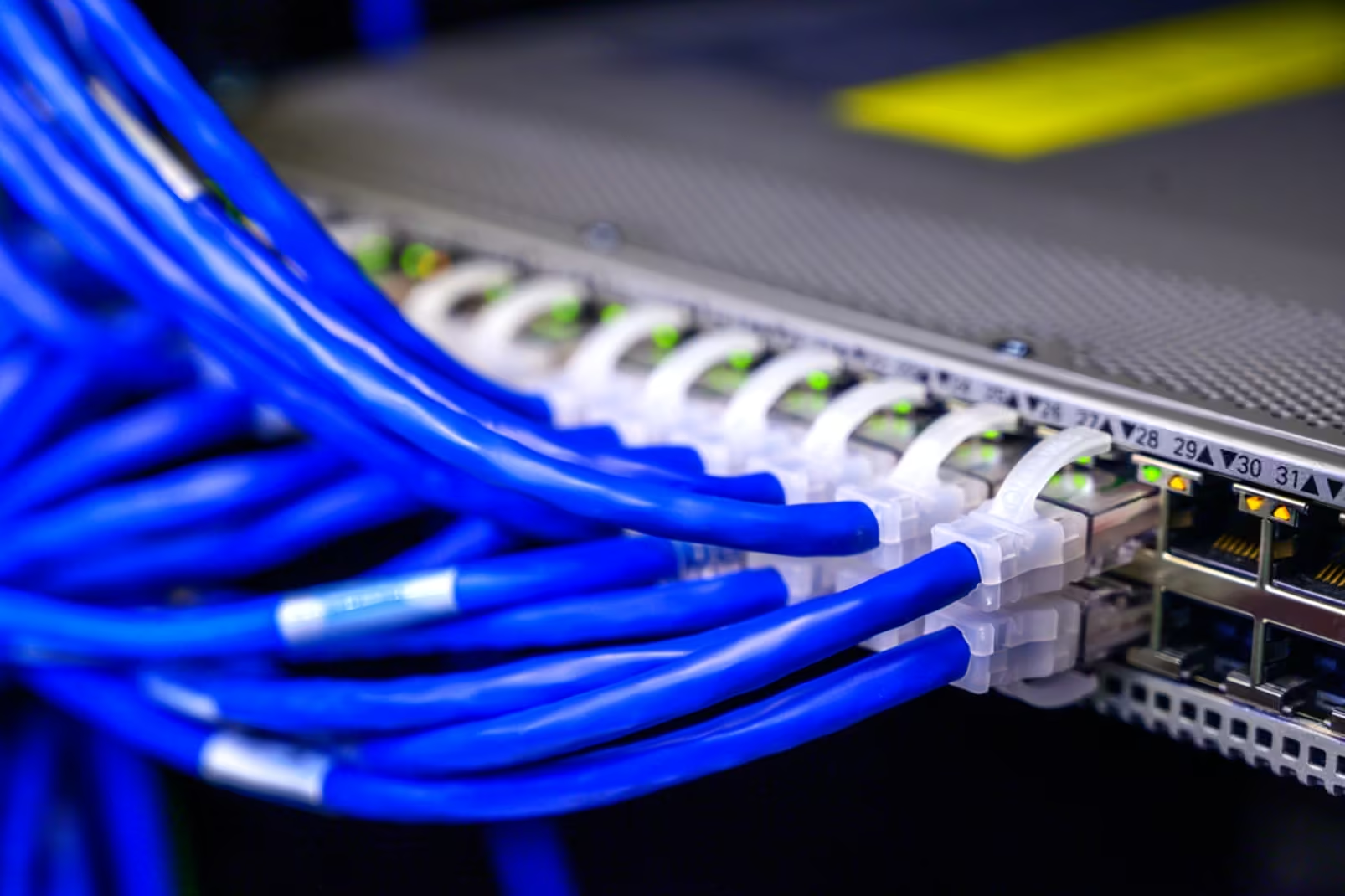
Reliable connectivity is another non-negotiable for AI businesses. Development teams need fast, reliable internet to regularly transfer large datasets, access cloud infrastructure, and collaborate across multiple locations simultaneously. Therefore, even short periods of downtime can disrupt productivity and delay critical projects.
Offices with more than one independent connectivity provider and backup network arrangements are typically more attractive as a result, and we advise our clients to verify this independently rather than rely solely on the building’s specification.
6. Collaboration and Focus Spaces for AI Teams
AI development depends heavily on teamwork, bringing together engineers, data scientists, researchers, and product managers who regularly collaborate across projects and disciplines.
Technical work also demands long, uninterrupted periods of focus and concentration, and in our experience, the most effective office environment supports both equally. When discussing their requirements with us, AI companies frequently specify the need for a dedicated collaboration area and a space designed for individual work.
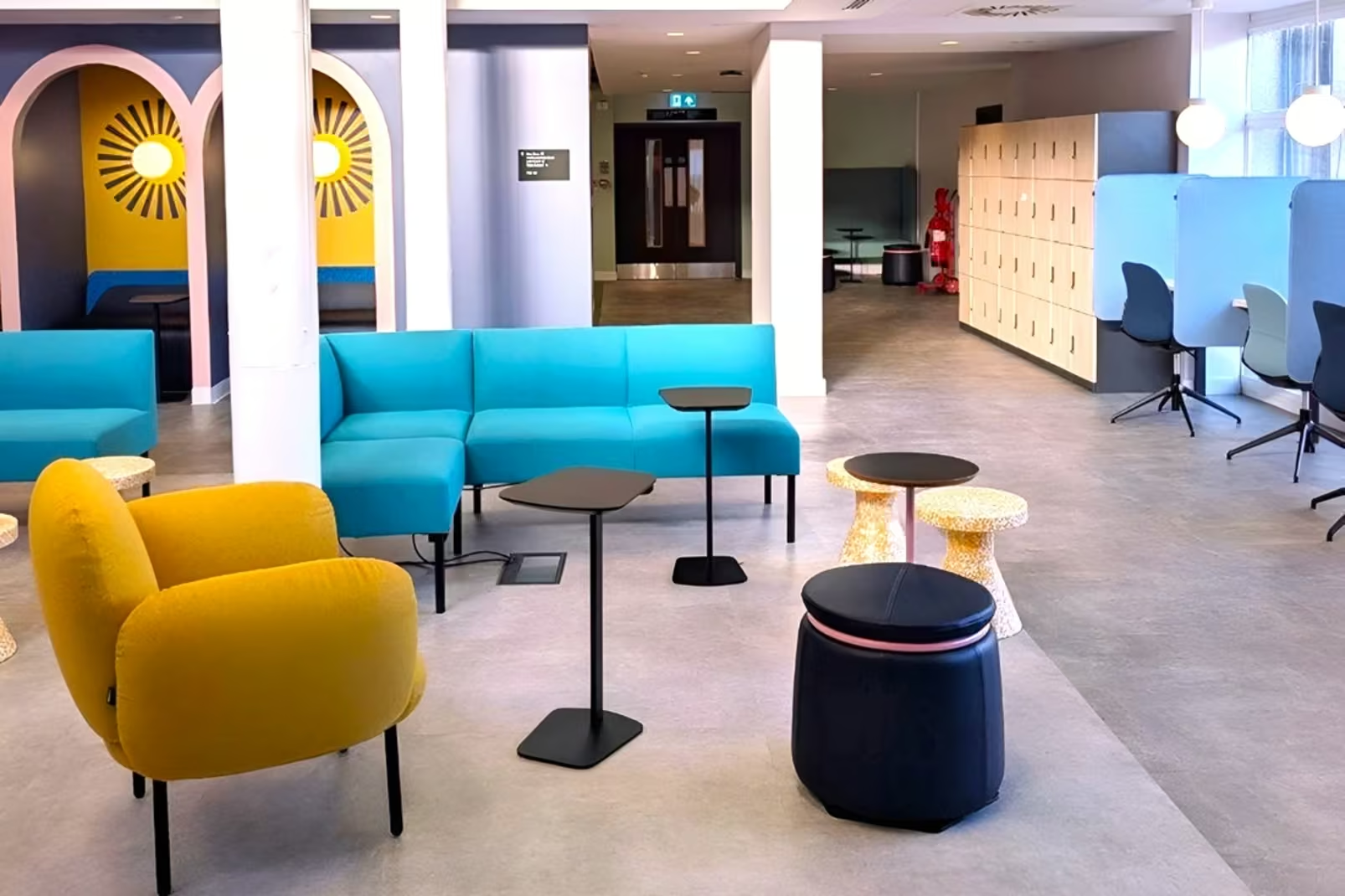
We find that project rooms, acoustic zones, and breakout spaces can support a range of group work, while quiet focus areas provide a suitable environment for coding, research, and technical problem-solving. This goes beyond a standard boardroom or a spare corner of an open-plan floor and is something worth raising during viewings.
We have also noticed that tech-enabled meeting rooms are considered a baseline expectation rather than a premium feature. Large screens, interactive whiteboards, and high-quality audio equipment are standard requirements for teams operating across different locations or time zones.
7. Physical Security and Data Privacy
AI companies handle some of the most commercially sensitive assets in the technology sector, and protecting them requires more than cybersecurity alone. As a result, we regularly see AI teams prioritising security measures, including CCTV, access control systems, and private server rooms, during the search process.
Acoustic privacy is often underestimated, but it consistently comes up in our conversations with AI occupiers. Poorly insulated environments pose a genuine risk when staff are discussing unpublished research and sensitive client work. Many AI offices incorporate advanced acoustic controls to help manage noise levels throughout the space.
Secure, soundproofed meeting facilities that support confidential discussions are something we look for specifically when shortlisting offices on behalf of our AI clients.

8. Energy-Efficient Buildings for AI Workloads
In our experience, energy efficiency rarely sits at the top of an AI company’s requirements list. However, the environmental impact of AI is attracting growing attention from investors, clients, regulators, and even employees, making it an increasingly important factor when selecting office space.
When comparing buildings, we have noticed that AI businesses often review EPC ratings, renewable energy provision, and sustainability certifications such as BREEAM.
These credentials demonstrate environmental responsibility and help companies meet their sustainability objectives. Energy-efficient spaces also help offset the higher running costs associated with AI operations over time.
We are also seeing newer office buildings, particularly in Central London, incorporate smart building technology and climate control systems that help optimise energy consumption while maintaining a comfortable working environment.
9. Workplace Amenities That Support High-Intensity Work
AI professionals typically work to demanding schedules and have high expectations of their work environment. Amenities that may be secondary considerations for other businesses are often considered baseline in this sector. We find the facilities that are requested most include:
• On-site food and drink – Quality office catering helps to reduce lost time during the day, and for teams working long hours, having easy access to refreshments matters more than it might in a standard 9-5 office environment.
• Cycle storage – We consistently receive requests for secure, accessible bike storage, which encourages sustainable commuting and aligns with the ESG goals many AI businesses hold.
• 24-hour access – AI teams frequently work across multiple time zones and often operate outside of standard business hours. Around-the-clock access is regularly requested by the AI companies we work with, particularly those with international clients, remote staff, or demanding project schedules.
• Fitness facilities and showers – Gyms and showers support physical wellbeing, allowing staff to fit in workouts around their busy schedules. Showers are also a practical necessity for staff cycling to work, which is common in the AI sector.

• Outdoor space and breakout areas – We find that outdoor terraces and informal breakout areas are especially popular for AI teams, allowing staff to unwind and mentally reset after sustained technical work.
In a highly competitive market, the workplace environment plays a key role in both attracting and retaining AI talent. Many serviced offices in London now offer these facilities as standard, reflecting the growing demand from AI occupiers.
10. Design-Led Spaces That Attract AI Talent
AI firms often need to compete with some of the world’s most well-resourced technology companies for the same talent pool. As a result, the office environment plays a key role in attracting candidates.
In our experience, strong natural light, high-quality fit-outs, architectural character, and thoughtfully designed common areas are features AI companies typically look for when viewing offices in person.
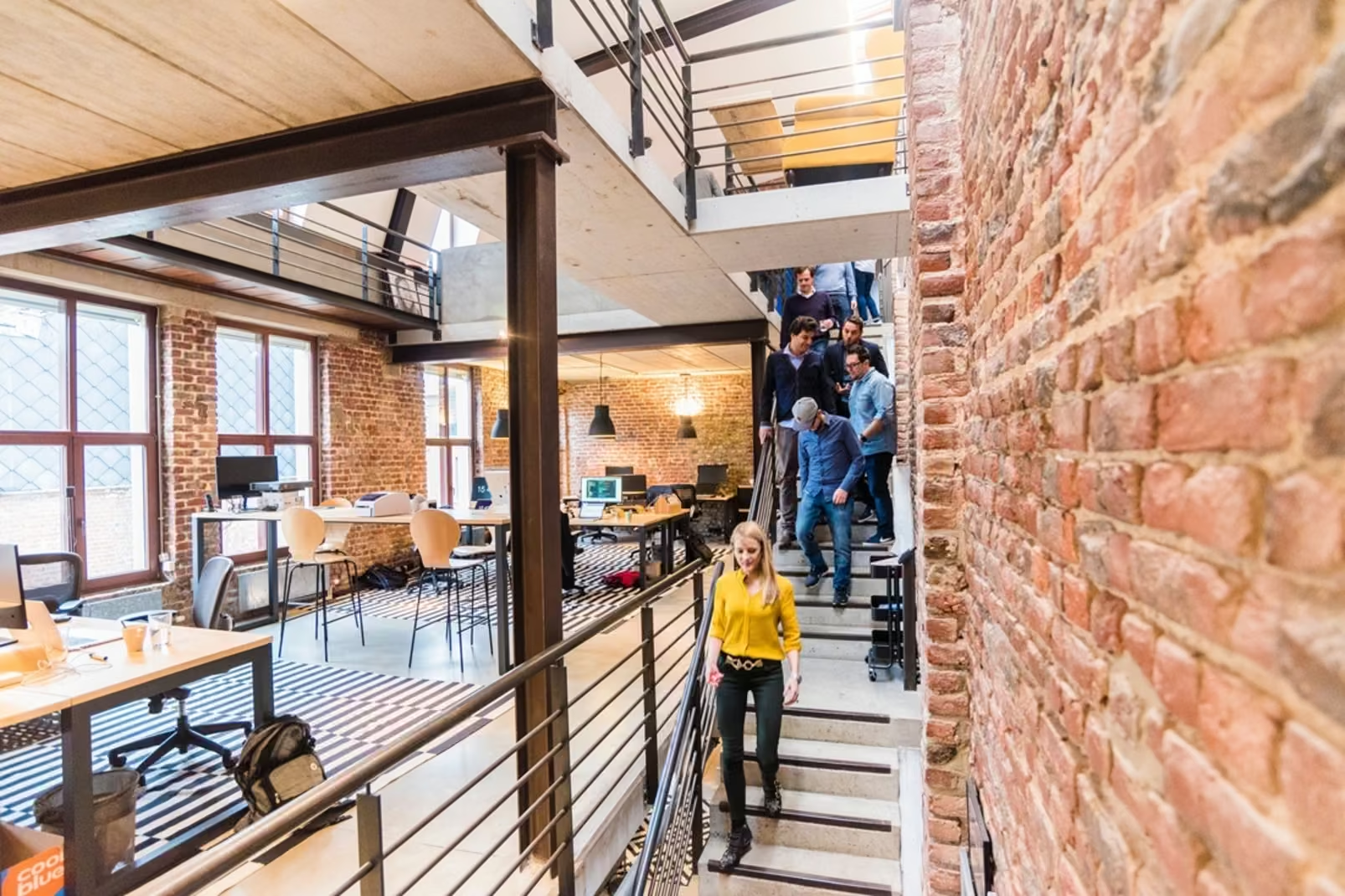
The impression an office makes also goes beyond recruitment, with investors, clients, and research partners all forming opinions as soon as they walk through the door.
We find that the best-performing spaces reflect the company’s culture and ambition rather than feeling like a generic office that could belong to any business.
For AI companies, the right office space depends on more than just the right location or cost. Infrastructure capacity, connectivity, security, and workplace experience all play a central role in choosing the best option.
These requirements are influencing how landlords, developers, and flexible workspace providers design and operate offices today. This trend is explored in our report on how AI is reshaping London's office market.
The right workspace can support recruitment, operational efficiency, and long-term business objectives. At FreeOfficeFinder, we help AI teams find office space to rent that fits their current needs and growth ambitions. Whether you are looking for serviced offices in London or office space across the UK, get in touch, and we’ll be happy to help.