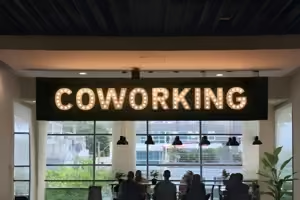
With the clocks going forward this weekend and daylight hours increasing, the difference between bright and poorly lit offices becomes more apparent. Natural light is a key consideration when comparing office space to rent and can directly affect how a workspace feels, functions and performs.
1. Strengthens Productivity
Natural light supports cognitive performance, short-term memory, and concentration. This is particularly important in offices where teams balance both focused work and collaboration throughout the day. Effective daylight keeps employees engaged for longer, helping to boost productivity.
Meeting rooms and breakout areas also benefit from strong natural light, as well-lit areas enable better discussions, greater participation, and clearer decision-making. We often see businesses prioritise window-facing desks but overlook how light affects shared areas. From our experience, this matters more when renting serviced offices, where these spaces are used more frequently across different companies.
2. Enhances Wellbeing
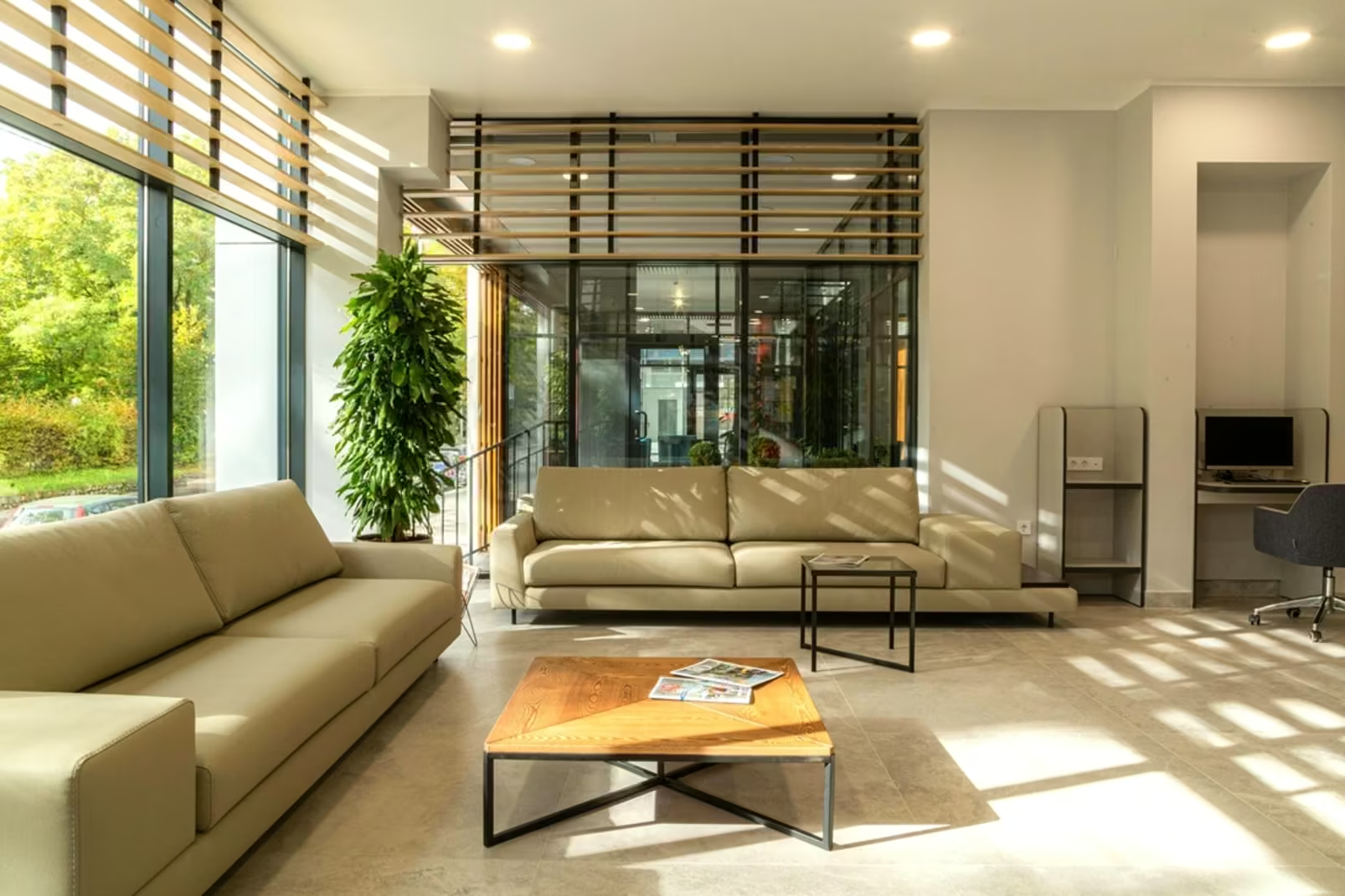
Brighter workspaces typically feel more open and less restrictive, helping to reduce stress and improve overall wellbeing.
We find that layout plays a key role in how light is distributed throughout the workspace. Glass partitions allow daylight to reach further, while enclosed offices create darker areas that contribute to fatigue and reduced focus.
Clients we've helped rent office space often report that well-lit offices positively impact employee satisfaction and retention over time.
3. Improves Sleep Quality
Exposure to daylight during working hours helps regulate circadian rhythms, supporting more consistent sleep patterns and overall rest quality.
 In our experience, choosing an office with strong natural light is particularly important for teams with early starts or demanding schedules, as it supports sharper thinking. This also helps to reduce slow starts in the morning, allowing teams to begin working more quickly.
4. Boosts Energy Levels Throughout the Working Day
Natural light helps staff maintain consistent energy levels across the full working day. One of the most common pieces of feedback we hear from clients after moving into a well-lit office is that their teams feel more energised, especially during the mid-afternoon slump.
We often highlight during viewings that it is easy to misjudge a workspace on a bright morning and overlook how it may feel later in the day. We recommend revisiting at different times to assess light levels more accurately, as artificial lighting can help but rarely delivers the same effect.
South-facing offices typically benefit from more consistent daylight, while north-facing spaces can feel noticeably darker, especially in winter.
5. Reduces Eye Strain and Headaches
We find that daylight provides a more balanced environment, helping to reduce discomfort caused by harsh artificial lighting. This is particularly important for teams working on screens, where eye strain and headaches are more common issues.

We advise clients to consider how well light reaches the entire workspace, as areas near windows tend to feel brighter. In contrast, the back of the office often relies more heavily on artificial lighting, particularly in deeper floorplates.
6. Creates a More Welcoming Office Environment
Light levels strongly influence how an office is perceived, particularly during initial viewings. Bright reception areas, meeting rooms, and communal spaces feel more inviting, and clients often notice this immediately when comparing options.
We’ve noticed that many modern serviced offices in London feature glass-fronted facades or floor-to-ceiling windows, making even smaller spaces feel premium.
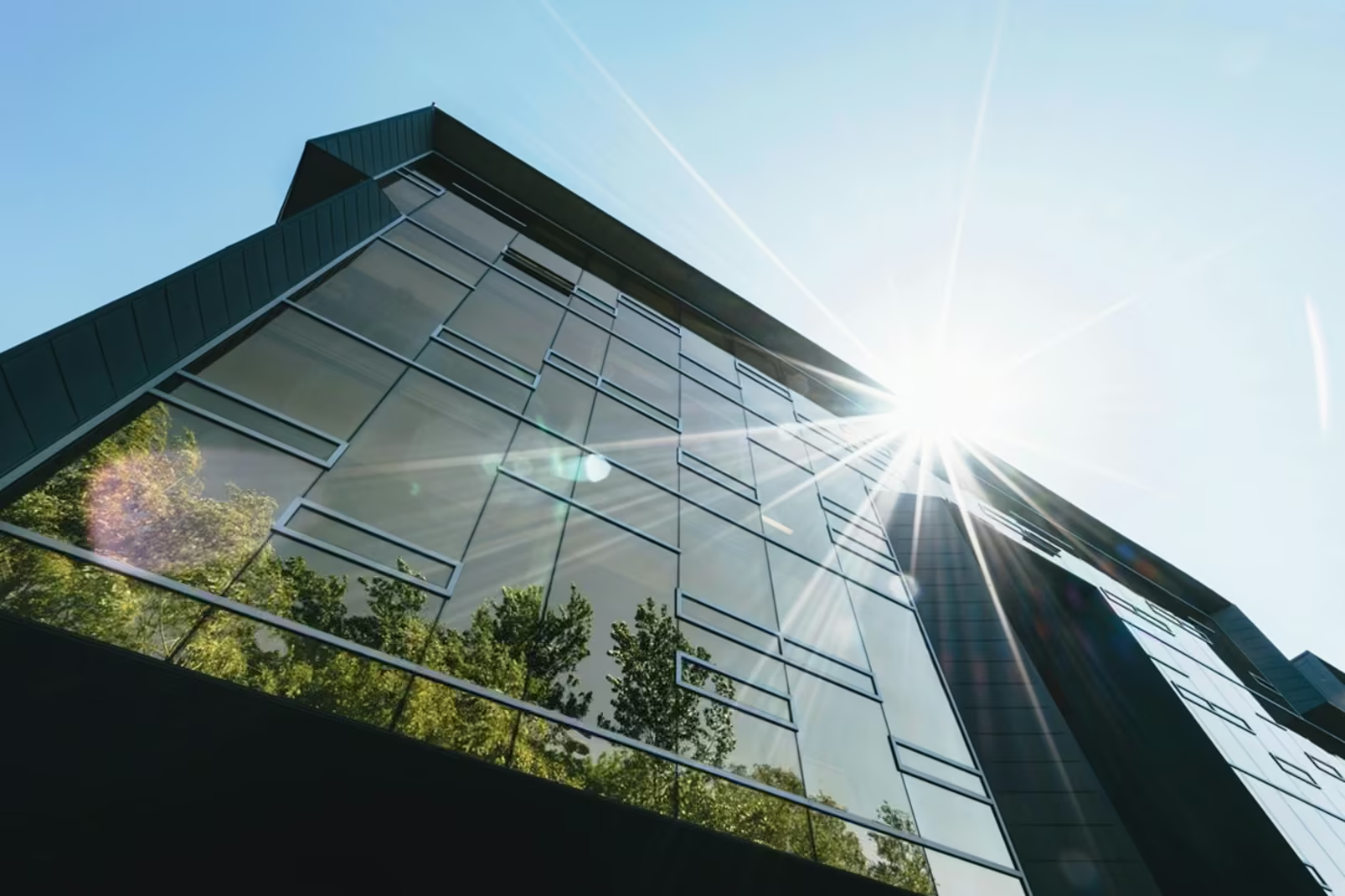
The quality of the environment also reinforces brand image, as a light-filled office space signals attention to detail, creating a stronger impression for clients and visitors.
7. Supports Sustainability Goals
Natural light is a primary consideration when renting office space, particularly for organisations with ESG commitments.
In traditional leased spaces, reducing reliance on artificial lighting can lower energy usage and running costs, helping businesses manage overheads more effectively. For serviced and managed offices, utilities are typically included within a single monthly fee. However, environmental impact remains an important factor for many companies with sustainability goals.
We’re seeing more clients include sustainability in their search criteria, with natural light now viewed as a practical way to support these objectives rather than a secondary benefit.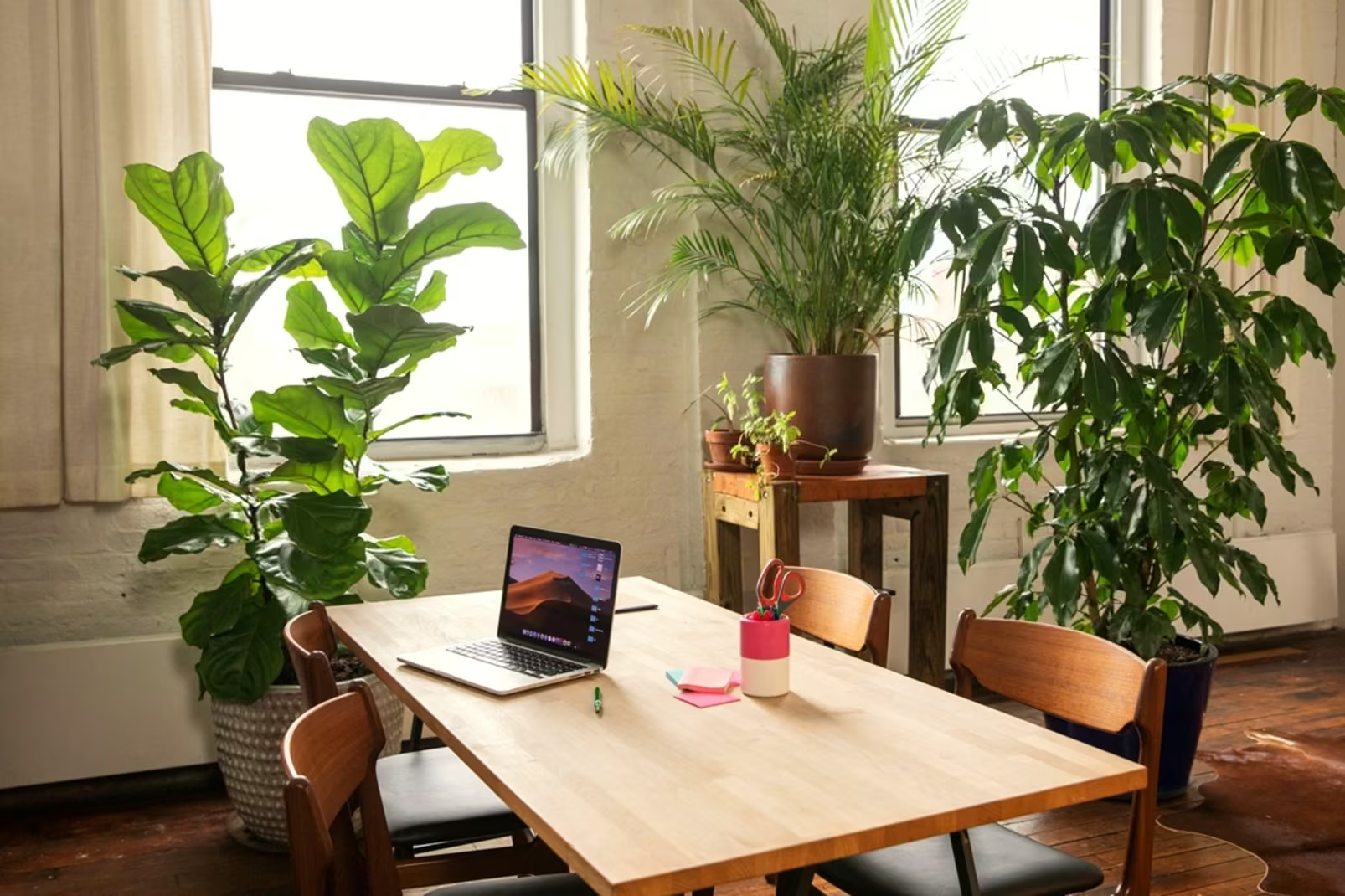
Our Tips for Viewing Offices with Natural Light
• View the office at different times of day
• Check for dark areas throughout the office
• Consider which direction the building faces (south-facing buildings provide the best natural light)
• Assess light levels in meeting rooms and breakout spaces, not just workstations
• Look for nearby buildings or obstructions that may block light
• Check how bright the space feels without artificial lighting
Natural light is often underestimated when renting office space, but in our experience, it is one of the most influential factors during viewings. Well-lit offices feel more energising, enhancing productivity, wellbeing, and long-term satisfaction.
At FreeOfficeFinder, we regularly see businesses rule out suitable offices simply because they feel too dark. We can help assess how much natural light a space receives, ensuring you choose an office that supports your team year-round.