Since 2016, coworking has moved from a niche option for freelancers to a popular option for freelancers and small teams. So, we’re marking International Coworking Day, which falls on 9th August, by exploring 8 ways coworking spaces have changed over the past 10 years.
For a deeper insight into how the movement began, read the Complete History of Coworking.
1. User Base Has Shifted to Include Established Companies
In 2016, coworking spaces were typically built around freelancers/solo professionals. A decade on, we’re now seeing hybrid companies, corporate satellite teams, and professional services firms using the shared workspaces.
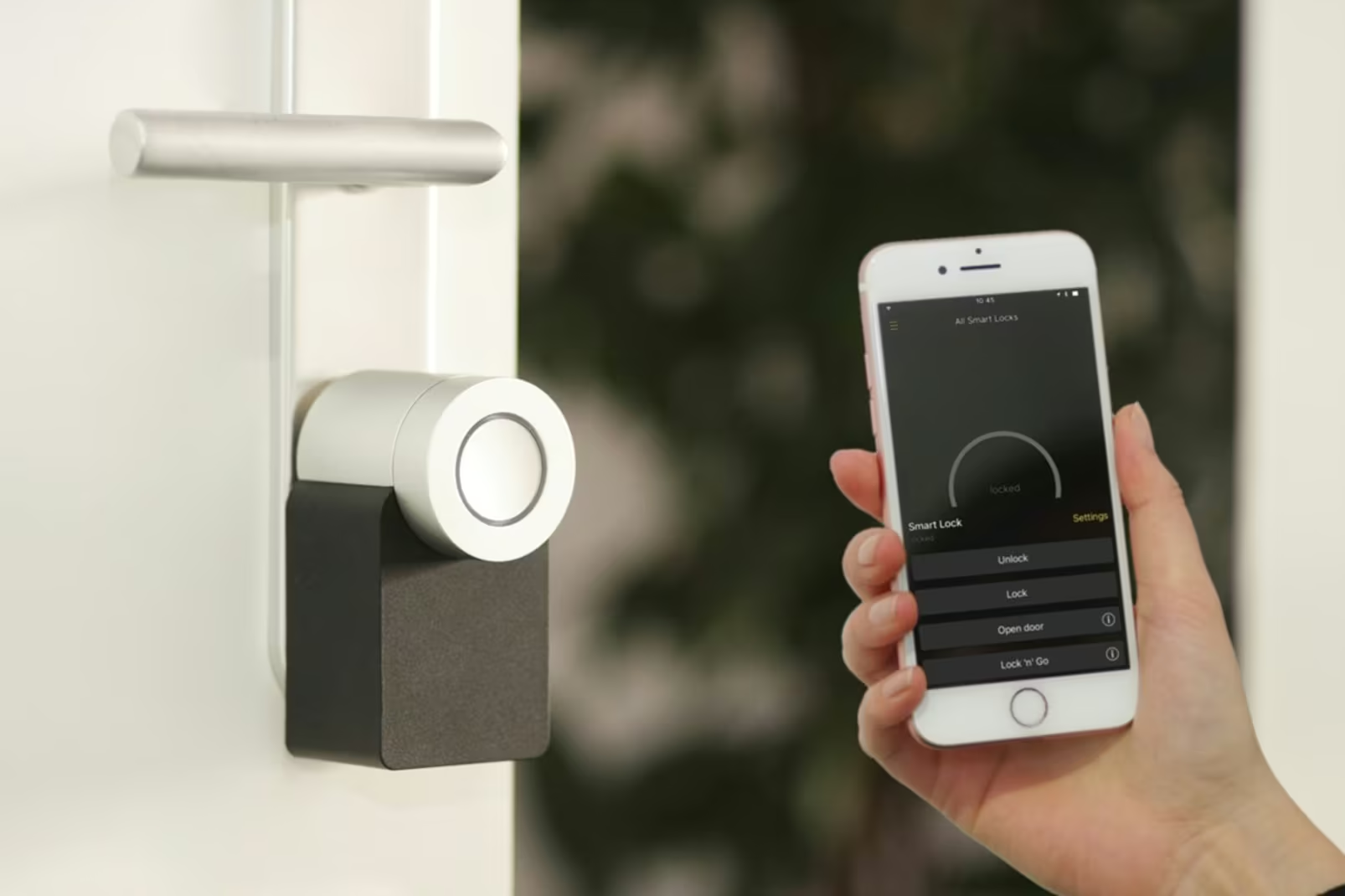
Much of this change was driven by technology. Ten years ago, security generally meant a Wi-Fi password on a whiteboard and a manual keycard at the door. Today, app-based keyless entry and enterprise-grade cybersecurity are standard. This enabled corporate clients to move in, significantly growing coworking's user base.
2. Spaces Have Become More Varied and Design-Led
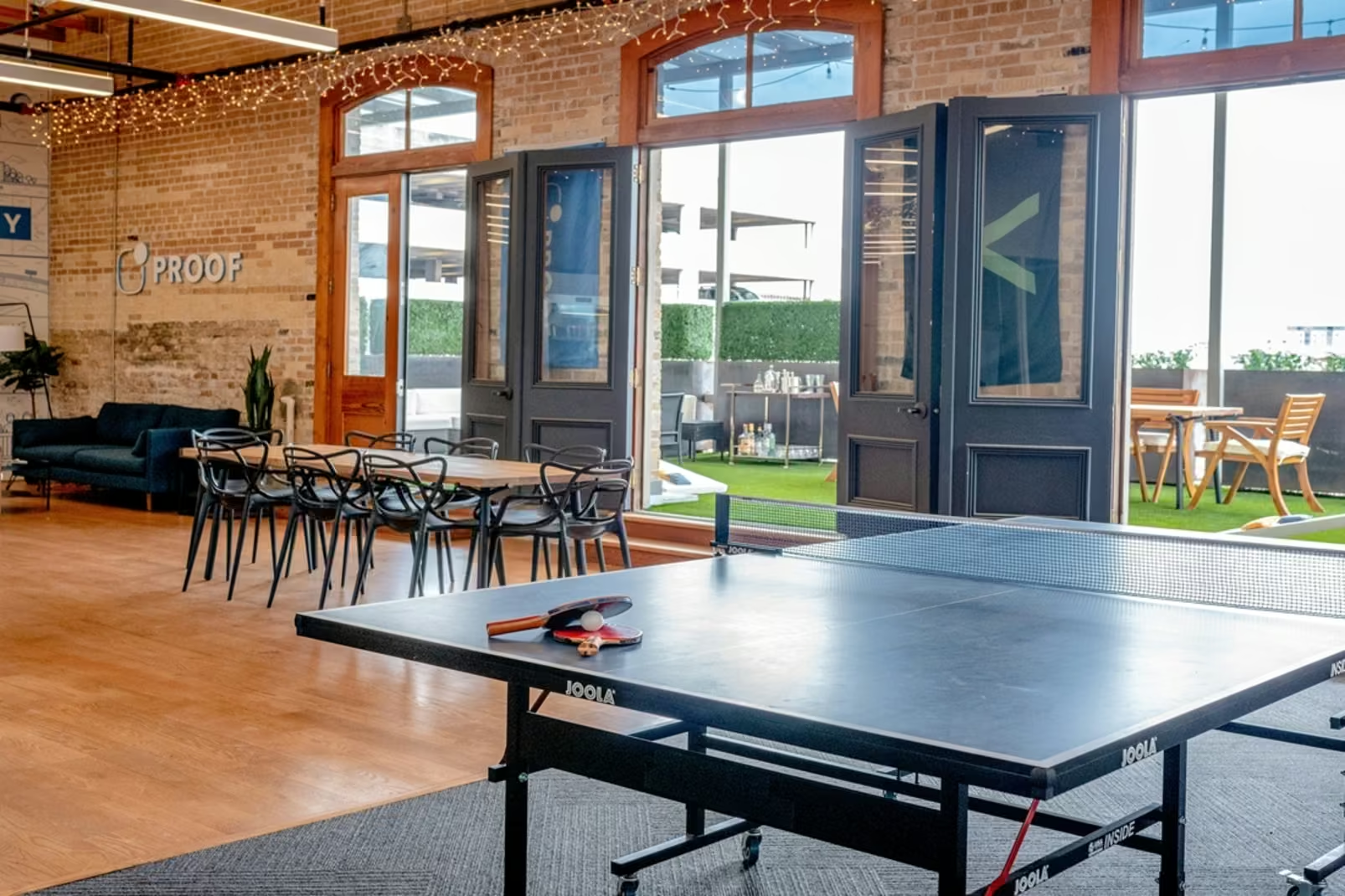
Most coworking spaces followed a uniform startup aesthetic, often consisting of hot desks, exposed brick interiors and ping pong tables. Now, shared offices span a range of styles from period properties with luxury interiors to converted industrial warehouses.
We have also noticed an improvement in quality across all coworking spaces, with private suites, concierge-style receptions and acoustically treated meeting rooms becoming the norm, rather than an exception.
Sustainability has also become a key consideration in recent years. Our clients are increasingly asking about BREEAM and LEED ratings, biophilic design and green energy tariffs when comparing coworking buildings.
This also reflects the broader flight to quality across the office market, where tenants are increasingly looking to rent higher-spec buildings.
3. More Amenities Are Now on Offer
10 years ago, the amenity list for shared workspaces was limited, often consisting of Wi-Fi, a kitchenette, and a phone booth if you were lucky.
Today, we see coworking spaces offering a much wider variety of amenities. This can include health and wellbeing features, dedicated event spaces, cafes with barista coffee, and end-of-trip facilities.

Community culture remains one of the key factors for businesses choosing a coworking office. Over time, this has also shifted from Friday drinks and ad hoc networking to regular wellness workshops, organised discussion groups, and structured professional development.
4. Pricing and Access Are More Flexible
Joining a coworking space previously required signing up to a fixed monthly membership, with no other options.
Today, day passes, team plans, app-based drop-in access, and large corporate contracts are all available, allowing companies to pick whatever level of commitment is best suited to them. We’d recommend using a coworking broker to help you navigate these options.
In our experience, this flexibility helps businesses save money by paying only for the access they need and makes it easier to compare against renting private office space.
5. Coworking Has Gone from Optional to Essential
Coworking used to be an alternative to a traditional office space, chosen by individuals or companies that wanted something different to the 9-5 setup entirely. It has since become a way for businesses to manage hybrid teams and employees working across multiple locations.
We noticed that this shift accelerated after the pandemic, when the rise of hybrid work meant businesses needed flexible office space for occasional use, rather than a full-time desk for every employee.
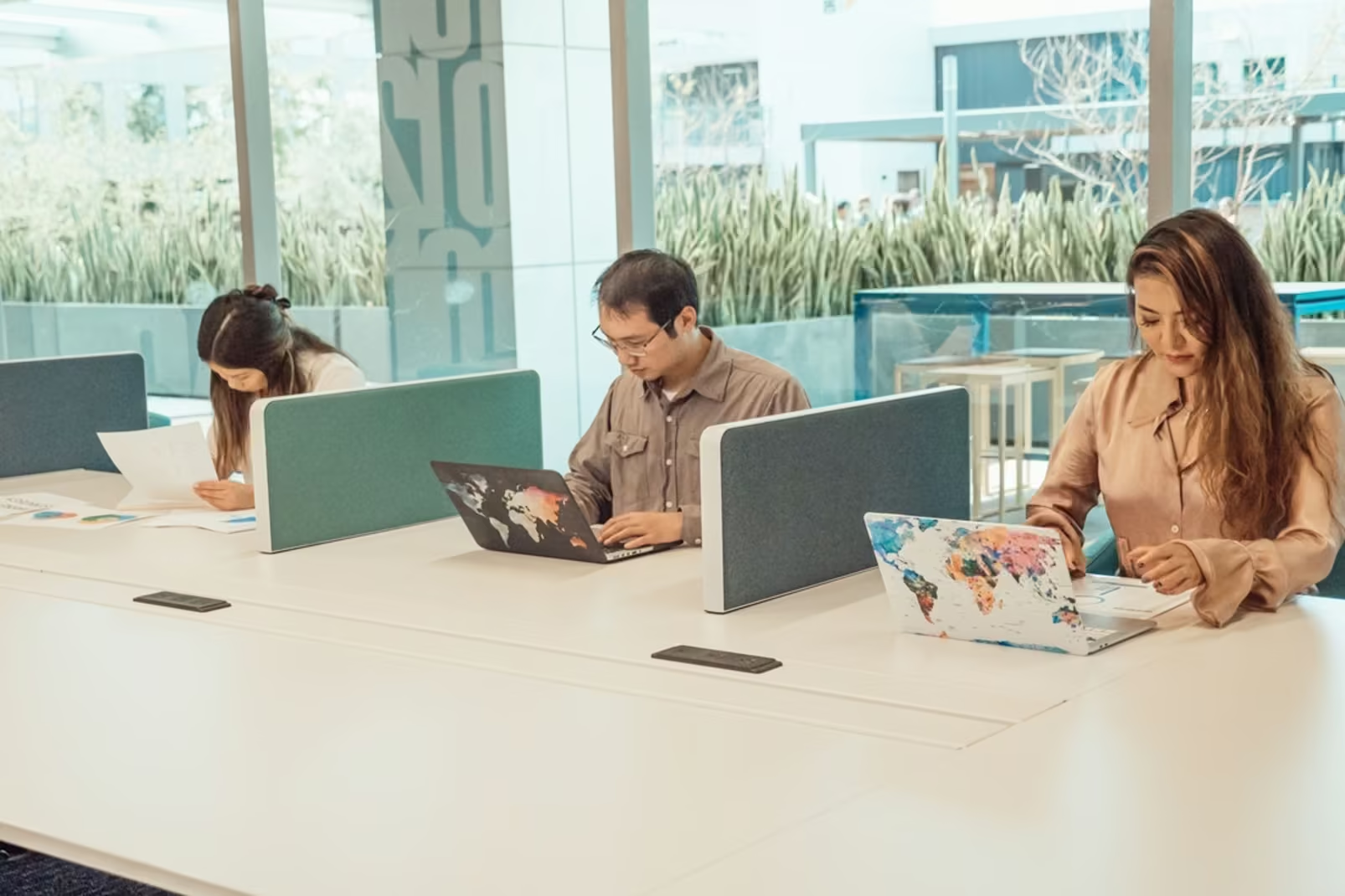
6. Locations Have Spread Beyond City Centres
10 years ago, coworking was generally concentrated around a handful of central areas, such as Soho, Shoreditch, and Clerkenwell. But we now see many locations popping up in residential neighbourhoods and suburban locations across the UK. This pattern is reflected in our own listings, with many coworking offices now found within Greater London areas like Hammersmith, Fulham, and Wimbledon.
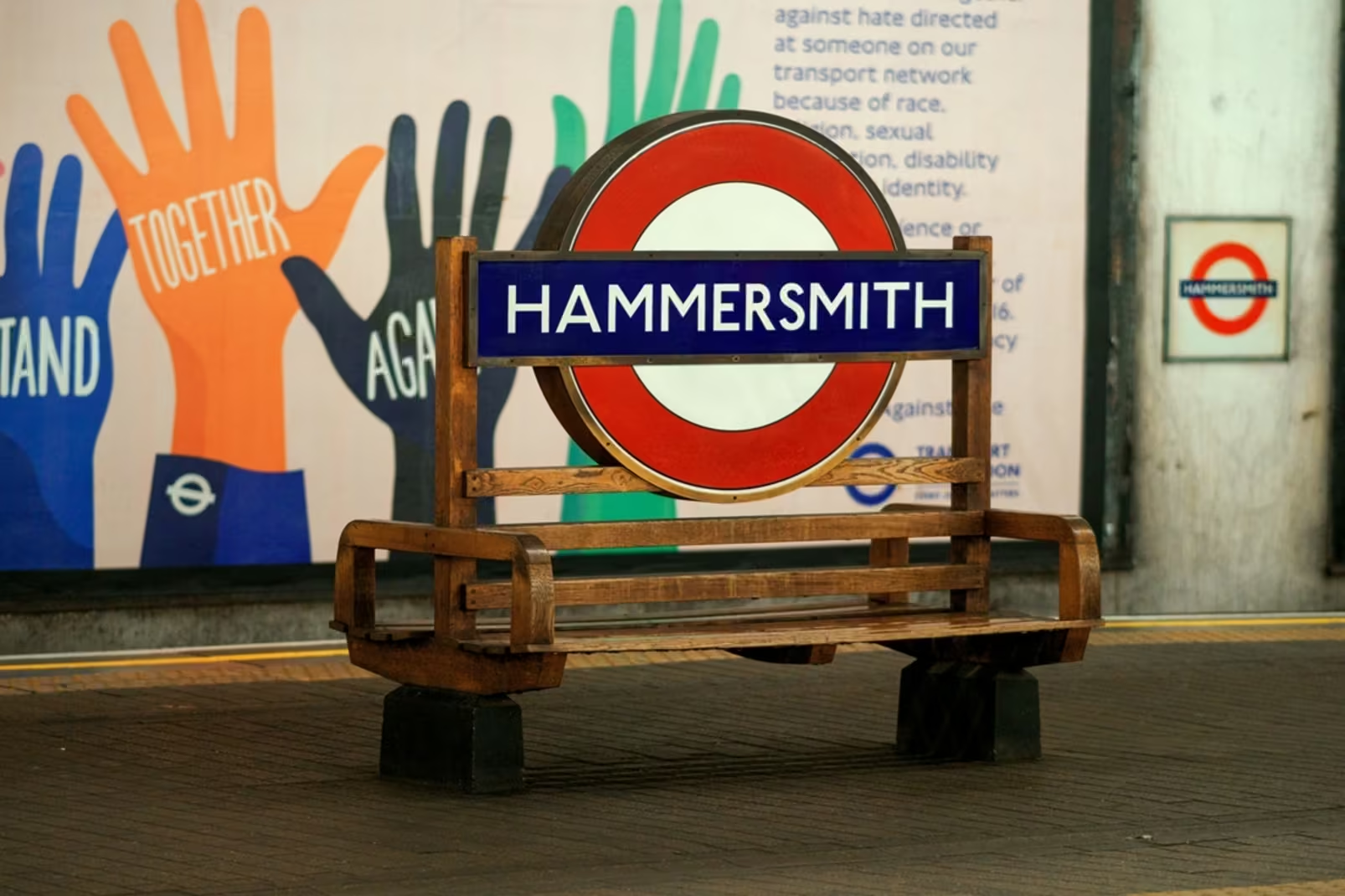
We are also seeing an increased availability of coworking spaces in regional cities, such as Manchester, Birmingham, Bristol, Leeds, and Glasgow.
7. The Coworking Operator Landscape Has Consolidated
Previously, the coworking market was made up of independents alongside a dominant global operator.
The wider coworking landscape has also consolidated among major operators and seen a rise of boutique independents establishing their own niche. This is largely due to how these shared workspace buildings were funded, with operators formerly taking on long master leases and carrying the financial risk themselves.
As a result, a market shake-up in the early 2020s led to landlords becoming much more likely to launch their own flexible space brands or share profits with operators to spread the risk more evenly.
8. Many Buildings Now Offer Coworking and Serviced Offices
Coworking and serviced offices were previously found in separate buildings, designed for different types of business. Today, many operators offer both options, often on the same floor. This is particularly common across flexible offices in London, within areas such as the City, King’s Cross, and Shoreditch.
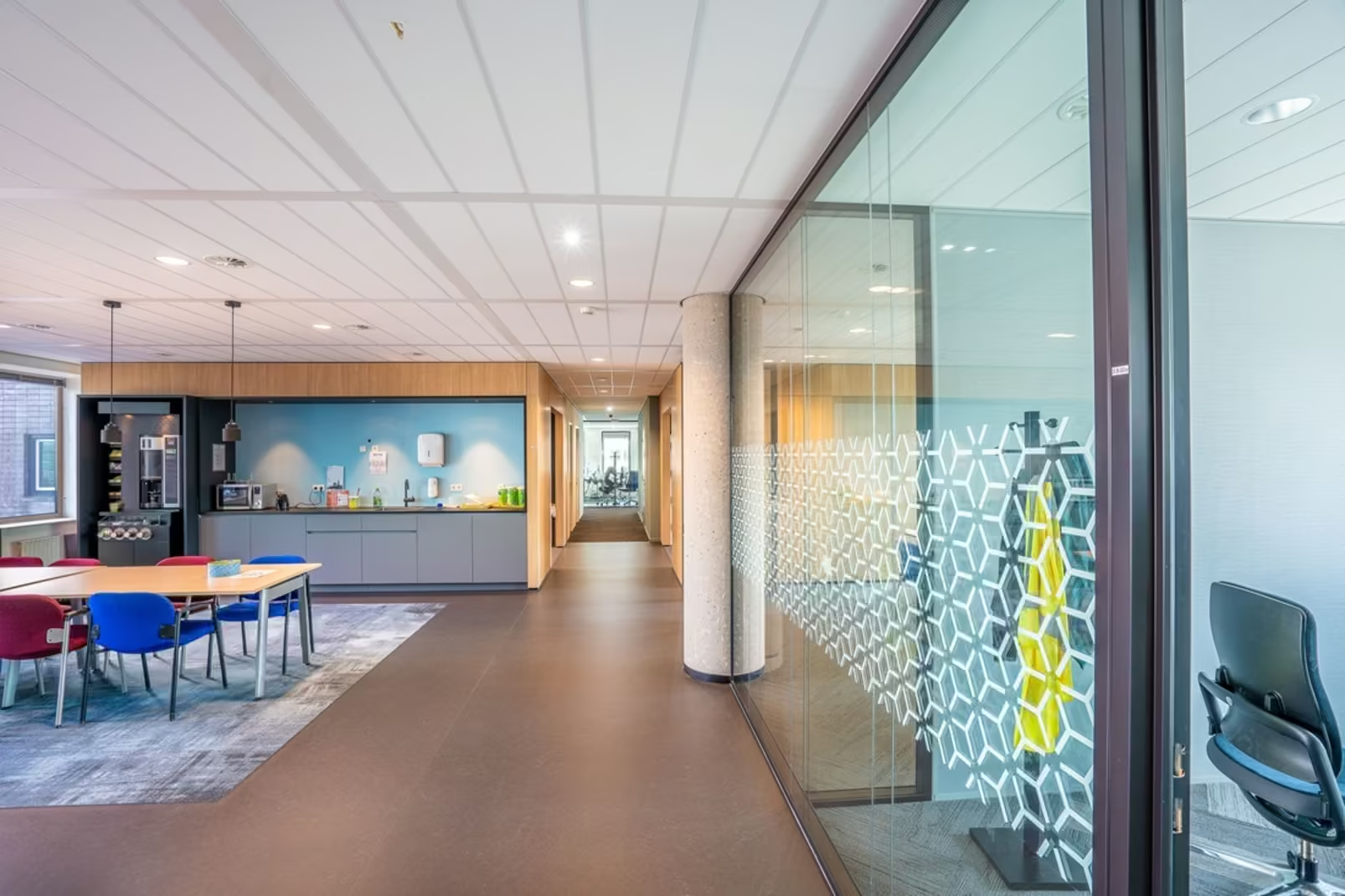
Below, we’ve found 3 of the best examples listed on our website that combine coworking and serviced office space.
A former banking hall which now offers executive club space, elegant interiors and communal breakout areas alongside private offices. We find this provides a clear contrast from the industrial-style design that once defined coworking offices and highlights the shift toward higher-quality workspace across a range of building styles.
Pentonville Road, King’s Cross
This building can cater for a wide variety of business sizes, with capacity ranging from 2 to over 900 people. In our experience, it is especially popular with companies planning for future growth and enables them to move from coworking desks into a larger private serviced office without the disruption of relocating.
While visiting this space, it struck us as a strong fit for teams seeking the shared, collaborative feel that coworking is known for. Open coworking desks and communal areas sit alongside self-contained units for when businesses need to work privately.
We find this is a good example of how serviced offices have moved beyond rows of desks and towards more adaptable, collaborative-led layouts that support the full range of ways businesses work.
Coworking has come a long way from its freelancer-led beginnings and is now an essential part of modern office strategies.
Today, shared workspaces offer businesses more choice, higher specifications, better amenities and greater flexibility, including the ability to move seamlessly from a coworking membership to a self-contained workspace within the same building.