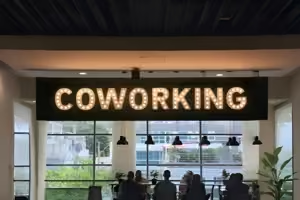
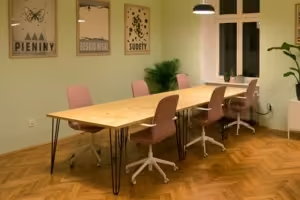
A communal space is a shared area in a workplace available to employees from a single company or multiple businesses that rent in the building.
Communal areas are often treated as a secondary feature when comparing workspaces. However, when used effectively, they can improve space utilisation, reduce costs, and support daily office use.
In this article, we cover 7 different ways communal spaces can be used, and the role they play when choosing office space to rent.
Why Communal Areas Matter When Renting Office Space
Before exploring the 7 ways, it’s important to understand the value these shared areas can bring to the workplace.
Communal areas reduce the amount of private space a business needs to budget for. Instead of renting extra desks or meeting rooms, teams can use the shared facilities as required. We find this flexibility suits hybrid working well, particularly for businesses where office attendance may vary week to week.
The same space can also be used for different activities throughout the day, and this versatility helps businesses maximise their office footprint without paying for additional rooms or desks that are only used occasionally.
Feedback from companies we’ve worked with also suggests that communal areas can help shape company culture by giving staff somewhere to interact beyond their workstations, supporting wellbeing, workplace relationships and a sense of belonging. 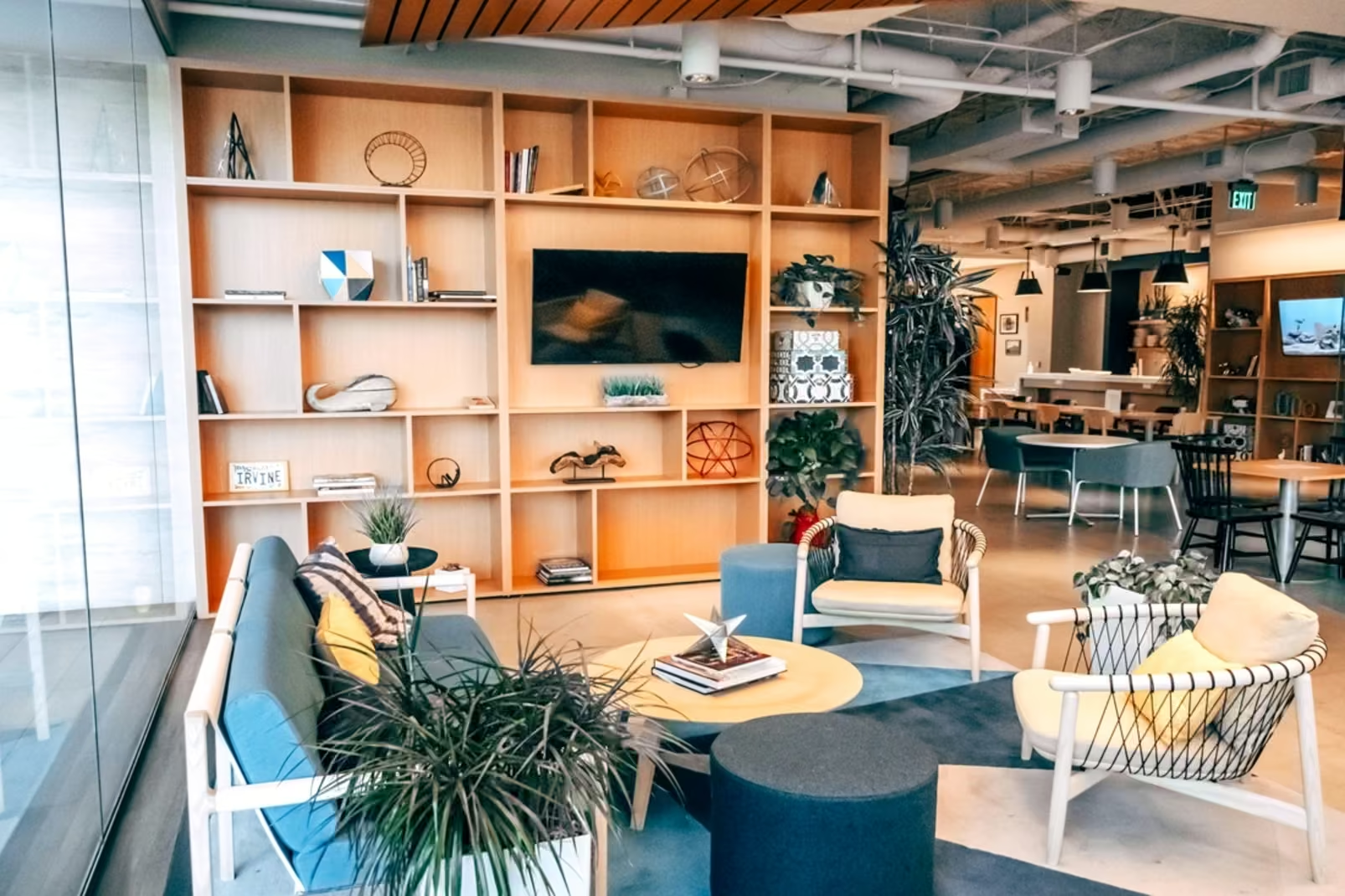
Different Ways to Use Communal Space in an Office
1. Encourage Downtime
Communal areas provide staff with a place to relax, encouraging them to step away from their desks throughout the working day.
We often see providers incorporate comfortable seating and biophilic design features, such as greenery and living walls, to create a calmer atmosphere. These spaces promote downtime, giving staff a place to switch off and recharge while reducing screen fatigue.
Many businesses we work with also tell us that their employees return to work feeling more refreshed and productive after taking proper breaks.
2. Hold Informal Meetings
Many workplace discussions don't require a private meeting room, and communal areas can be used for team catch-ups and informal client conversations. We find that features such as lounge seating, small tables, booths, and partitioning provide a practical setting for these interactions while creating a welcoming environment for visitors.
This setup also saves time and improves flexibility, allowing teams to hold ad hoc discussions without reserving space in advance.
3. Create Overflow Workspace
Communal areas offer valuable overflow workspace when additional capacity is required. Shared desks and adaptable seating arrangements can be used as demand increases, allowing businesses to accommodate more employees on busier days without renting extra space.
We’ve found this is a key consideration for hybrid and growing businesses when comparing office space. Organisations expecting attendance levels or headcount to change over time typically favour serviced offices, which combine access to communal areas, alongside flexible terms and the ability to scale.

4. Host Events & Training
Workshops, training sessions, company updates, and presentations often suit a communal space better than rows of desks or a formal meeting room, as they offer a more open, adaptable setting. However, businesses should check with their office provider beforehand to ensure there are no restrictions or additional charges.

Communal areas can also be used to host talks, panels, and networking events, eliminating the cost of hiring an external venue. Layouts can usually be reconfigured to suit the group size and activity, particularly where the space includes movable furniture and temporary partitions.
5. Foster Social Interaction
Based on our experience regularly viewing flexible offices across the UK, we find that kitchens, lounges, and well-designed breakout spaces often become the social hub within an office.
These areas often include dining tables and breakfast-bar seating, while many premium serviced offices in London also include amenities such as table tennis, pool, and table football. These facilities help employees build connections and foster a stronger sense of community within the workplace.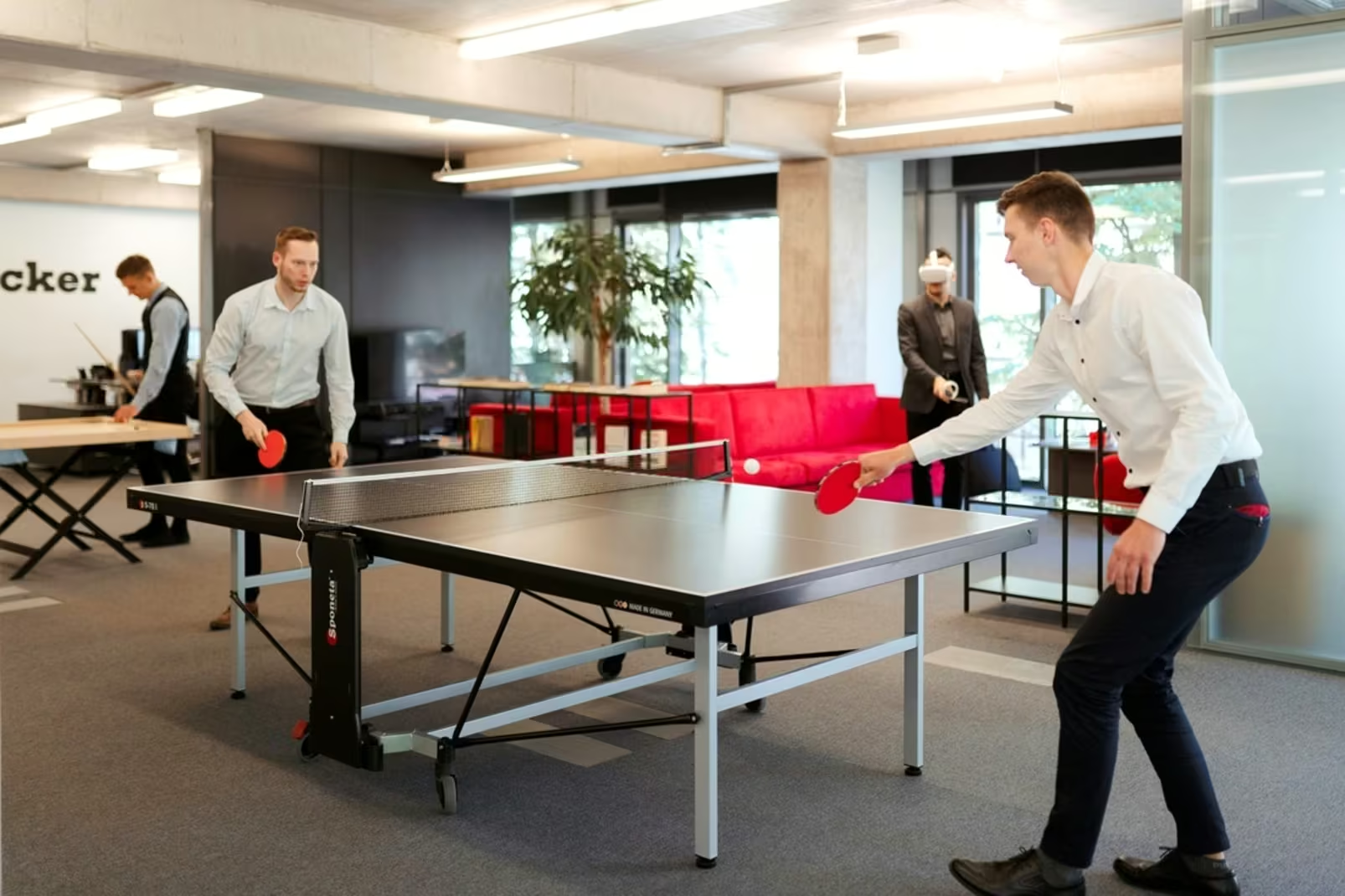
We’ve also seen demand for experience-led workspace increase in recent years, particularly among businesses looking to encourage greater office attendance. Clients often tell us that shared facilities help create an office environment worth the commute, and over time, this can strengthen workplace culture and improve staff retention.
6. Support Focused Work
In contrast, communal areas can also support focused work. Office pods, phone booths, and screened areas within a shared space give individuals or small groups a quieter place to concentrate.
We find these features are especially useful for calls, video meetings, or work that requires sustained concentration, particularly in offices where private rooms are limited.

When comparing serviced offices, we notice that many businesses look for a balance between collaborative and focused working environments to best support different needs and working styles.
7. Promote Team Collaboration
Communal areas can naturally encourage collaboration across different departments and companies that might not otherwise cross paths. Impromptu conversations in a shared space can often lead to idea sharing and problem-solving.
They also provide a convenient setting for ad hoc project work between teams that do not typically sit together. Flexible layouts and a variety of seating options make this easier, allowing staff to gather without booking a private room.

During viewings, our clients often notice that communal spaces in serviced and coworking offices offer a more collaborative working environment. For creative and tech-led firms that rely on teamwork, this can be a deciding factor when choosing between flexible workspace and a traditional leased office.
Communal facilities are more than an office perk. When used effectively, they support different ways of working, provide additional capacity, and help to create a more social, connected workplace.
They can also reduce the amount of private space a company needs, making them an important consideration when comparing office space to rent.