
Remote and hybrid working have made setting up home-based workspaces more common, and many businesses now begin at home. A garage conversion can offer a convenient, cost-effective place to work, especially in the early stages of a business. However, as companies grow and requirements change, renting office space often becomes a more practical option.
The table below provides a quick comparison between garage conversions and renting office space, with each factor explored in more detail throughout the article.
| Factor | Garage Office | Office Space |
| Who it suits |
Solo professionals |
Solo professionals Early-stage startups Growing teams Client-facing businesses |
| Cost structure | Upfront conversion cost | Inclusive monthly fee |
| Setup time | Requires construction or conversion, so timing varies | Ready to use immediately |
| Scalability | Fixed space | Expanding possible – dependent on availability |
| Workplace facilities | Limited or none | Toilets, meeting rooms, kitchens, breakout areas |
Who Is a Garage Office Right For?
A converted garage can be a practical option for individuals and businesses that need a small, private workspace rather than renting a commercial office. In our experience, they tend to suit:
Solo Professionals
Garage offices provide a dedicated, separate workspace for those working alone, who only require a quiet place to focus.
Early-stage businesses
Companies just starting out may choose to work from a home or garage office while they test out and establish operations.

Remote or Hybrid Workers
Those who primarily work remotely may benefit from having a workspace separate from their main living areas.
Firms with Minimal Space Requirements
Businesses that only require a small workspace, particularly those that operate mostly online, may find a garage office sufficient for their day-to-day activities.
Some businesses also consider similar home-based workspace options, such as garden offices, which provide a purpose-built workspace separate from the main house.
How Much Does a Garage Conversion Cost?
The cost of converting a garage into a workspace depends on the level of work needed and the quality of the finished space.
| Type of Garage Conversion | Typical Cost |
| Basic setup (insulation, electrics, lighting) | Starts at £7,000 |
| Standard single garage (heating, plastered walls, flooring, garage door replacement) | Typically, £10,000 to £20,000 |
| Larger or higher-spec conversion (premium materials, built-in storage, structural alterations) | £25,000+ |
Garages are rarely designed for year-round use, and we often find that businesses underestimate the work required to make the space comfortable and suitable for daily use.
Common costs include installing insulation, electrical wiring, lighting and heating. Replacing the garage door, adding windows, plastering, damp proofing, and updating flooring are also typical elements that contribute to the total conversion cost.
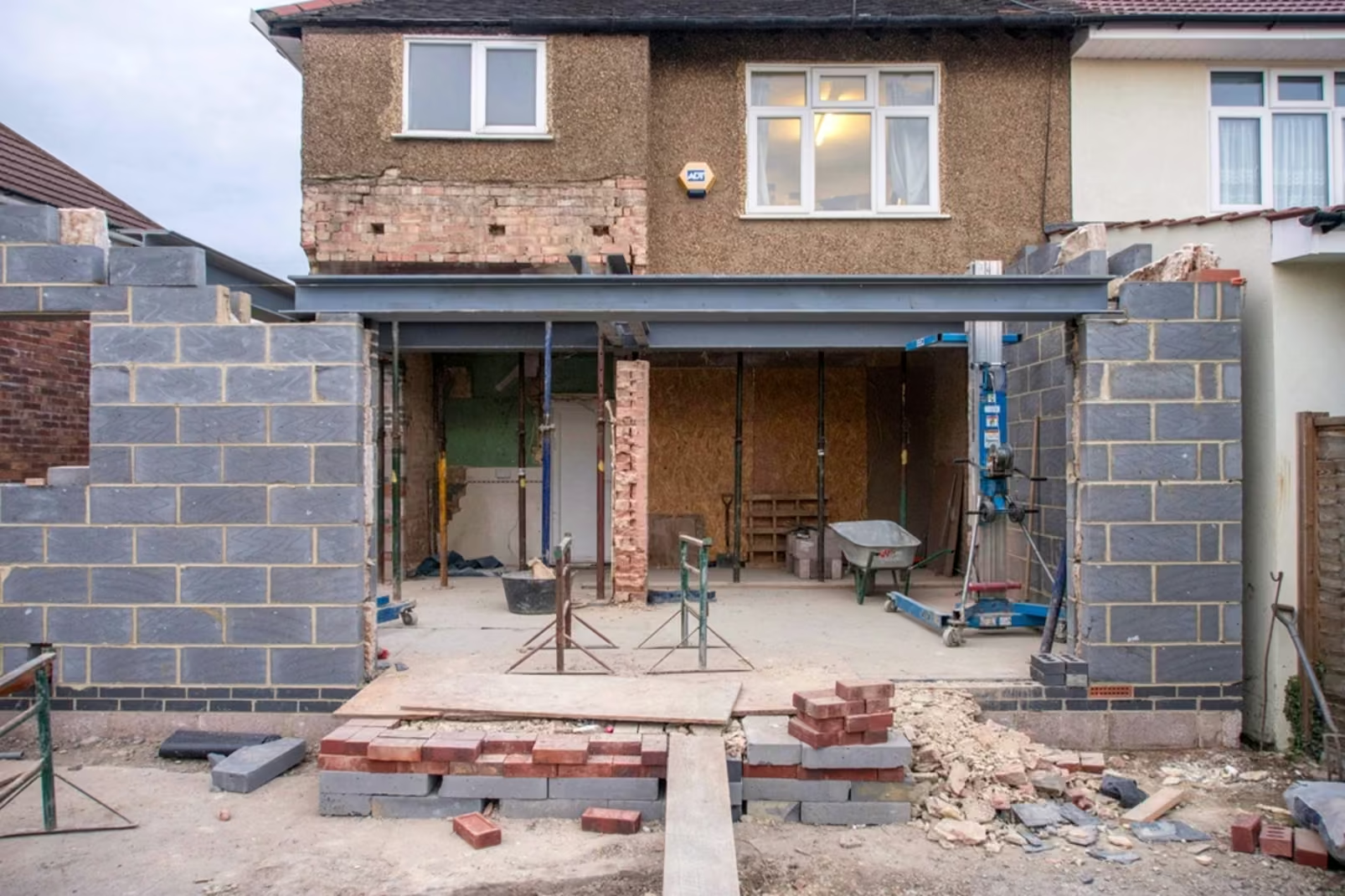
Depending on the property and location, you may also need to pay for building regulations approval, planning permission or structural surveys. While DIY can reduce upfront costs, it’s important to consider the ongoing expenses of running and maintaining the space once it is in use.
Benefits of Converting a Garage into a Workspace
For some businesses, garage offices offer several advantages, such as:
Dedicated Workspace
A garage office provides a workspace that is separate from the main living area, helping to create a more structured environment than working from a bedroom or kitchen table.
No Daily Commute
Working from a converted garage also eliminates the need to travel to an external office, reducing time and commuting costs. In our experience, this is one of the key reasons some people choose to work remotely or on a hybrid basis, rather than in an office full-time.
Full Control Over Layout and Setup
As the space belongs to you, the workspace can be designed to fit your requirements. Furniture, layout, and décor can also be tailored to suit personal preferences, giving you full creative control.

Short-Term Affordability
Converting an existing garage into an office may be a more affordable solution to renting an office, particularly for freelancers and small businesses in the early stages.
No Lease Commitment
Unlike renting commercial office space, a garage office does not require signing a lease or committing to a long-term agreement. This provides flexibility for companies that are still developing and experimenting with their working model.
Limitations of Garage Office Conversions
While garage conversions can work well for some businesses, their limitations often become more noticeable as the company grows. For example:
Blurred Work and Home Boundaries
Even with a dedicated workspace, working on the same property can make it difficult to fully separate professional and personal life, often leading to longer working hours.
Lack of Room for Growth
Garages are typically limited in size and do not allow for easy expansion as a business grows or hires employees. Many clients we speak to begin searching for office space once their home workspace starts to feel restrictive.
Loss of Parking or Storage
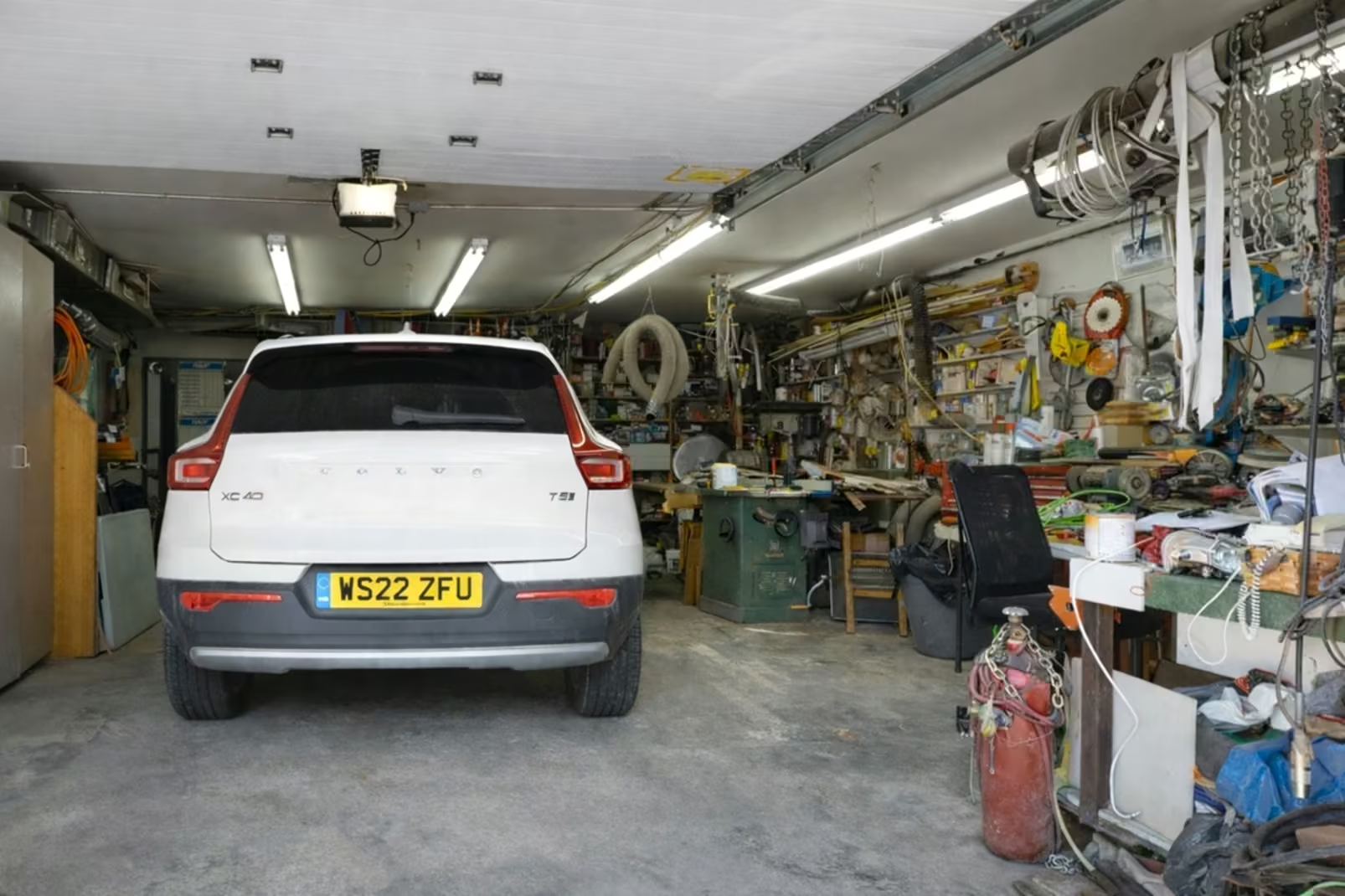
Several people use their garage for storage or parking, so converting the space into an office removes this functionality and may create practical inconvenience.
Lack of Professional Facilities
Garage offices rarely provide dedicated meeting spaces or suitable areas for presentations, collaboration, and hosting visitors or clients. They may also lack the professional infrastructure found in commercial offices, such as reliable high-speed internet, video conferencing equipment, soundproofing and IT support.
Upfront Capital Investment
Unlike office rentals, where costs are spread over time, a garage conversion requires a significant upfront investment before the space can function as a workspace. This can place pressure on cash flow, particularly for early-stage companies.
When Renting Office Space is the Smarter Business Choice
While a garage office may work well initially, many businesses eventually reach a stage where renting office space becomes the better option. This is often the case when:
Hiring or Planning to Scale
As companies grow and hire employees, providing a suitable working environment becomes increasingly important. Office spaces are designed to accommodate additional desk space and typically include meeting rooms, collaboration zones and breakout areas which support day-to-day interaction.
Many serviced and managed offices also offer shared amenities such as cafés, gyms, games rooms and wellness areas. In our experience, these additional perks can enhance employee wellbeing and help create a more engaging workplace.

Requiring a Professional Business Address
Some organisations benefit from having a recognised business address, particularly when working with clients or operating in competitive industries. We often see this with companies in sectors where reputation and client perception play a key role, such as finance, legal services, consulting, technology and marketing.
Seeking Predictable Monthly Costs
Renting office space typically involves a monthly fee rather than a large upfront investment. This payment also often includes bills and service charges, making it easier to plan and manage budgets.
Different workspace types can support businesses at various stages of growth. For example, freelancers and very small teams may start with a coworking space, particularly if they only need occasional access to a professional office environment.
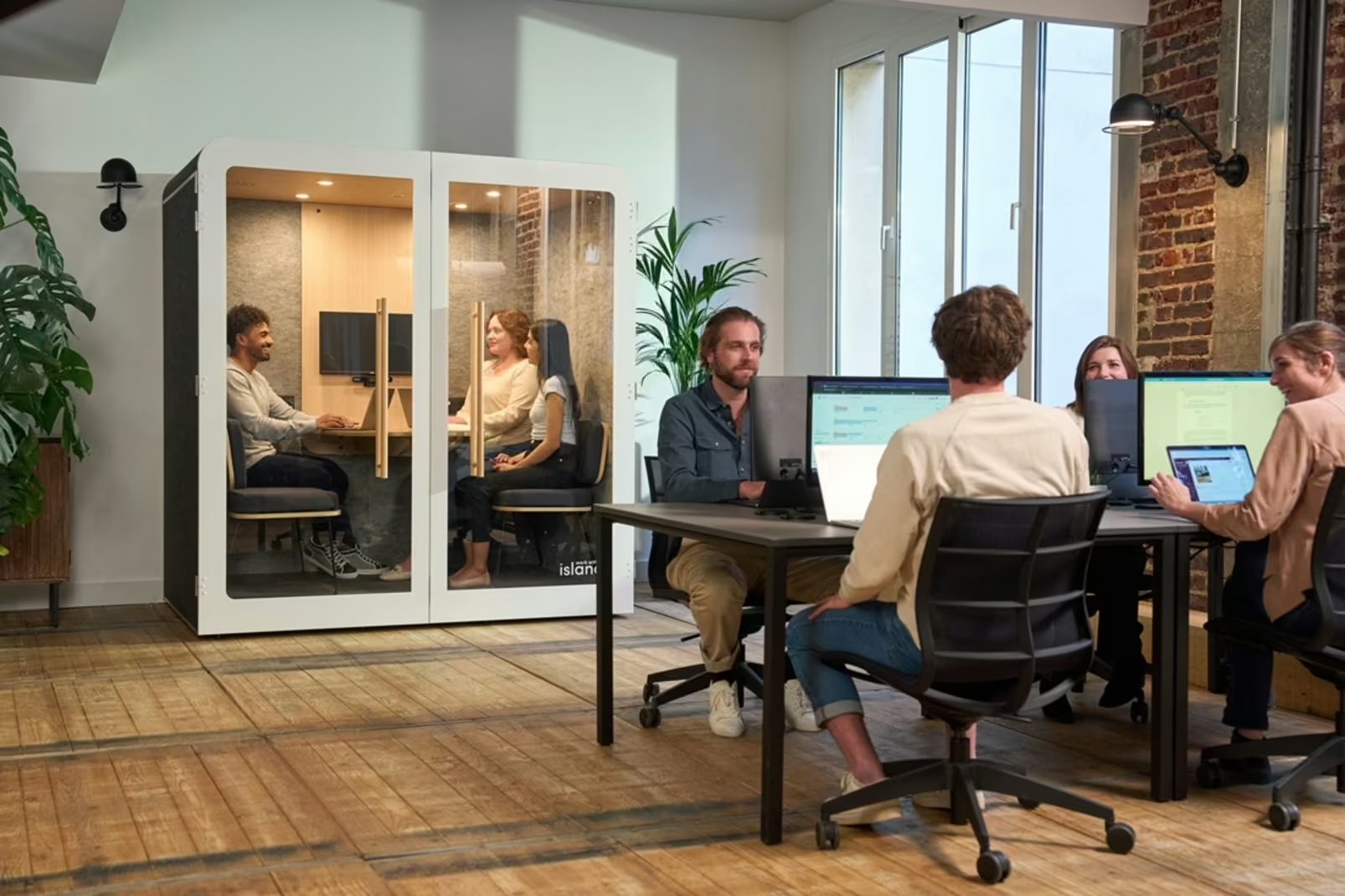
Growing companies often move into serviced offices, which provide a private workspace with shared facilities and a plug-and-play setup. This allows businesses to move in quickly and easily scale their space or relocate within the same building as they continue to expand.
Larger teams may also move into managed office space, which offers greater control over layout and branding. However, contracts are typically longer, making it a more suitable option once a business is more established.
How Much Does Office Space Cost?
The cost of office space varies by location, with rates in Central London typically higher than in Greater London and other UK cities. When helping businesses compare office options, we often see pricing influenced by factors such as size, workspace type, building quality, technology and infrastructure, and amenities.
Typical average office space costs across Central London, Greater London and the UK are shown below:
| Location | Serviced (per desk/month) | Managed (per sq. ft/year) | Coworking (per desk/month) |
| Central London | £500 - £850 | £80 - £150 | £250 - £450 |
| Greater London | £260 - £420 | £30 - £100 | £180 - £320 |
| UK | £240 - £400 | £20 - £50 | £150 - £280 |
In our experience, companies moving out of a home workspace or garage office typically begin with a serviced office. These spaces typically offer shorter, more flexible agreements and lower upfront costs than traditional office leases, making them a practical first step toward a professional office environment.
Our recent report breaks down serviced office costs across London and the UK from January 2025 to January 2026, using data from the FreeOfficeFinder pricing tool.

Although renting office space can seem like a greater commitment than converting a garage into an office, the right workspace can improve productivity, efficiency, employee satisfaction and business reputation, helping businesses continue to grow.
Garage conversions can be a convenient option for founders, freelancers and early-stage businesses that need a more private place to work while keeping costs low. In our experience, however, they often work best as a temporary solution. As companies grow, renting a professional office space can provide greater flexibility, room to scale and access to shared facilities.
Ultimately, the right choice depends on the stage your business is at and how you expect it to grow in the future.
If you're considering moving out of a home workspace and renting office space, we can help you find an office that fits your requirements.