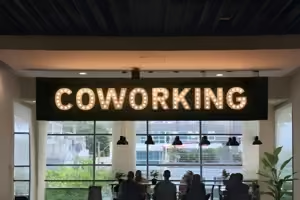
London Bridge has a long commercial history linked to trade, transport, and its position within the capital. Over the past two decades, investment and redevelopment have made it an increasingly popular office location for companies at different stages of growth.
Based on our enquiries and experience placing businesses in workspace across the area, we’ve outlined seven reasons why growing companies choose to rent office space in London Bridge.
1. Major Transport Hub with Excellent Connectivity
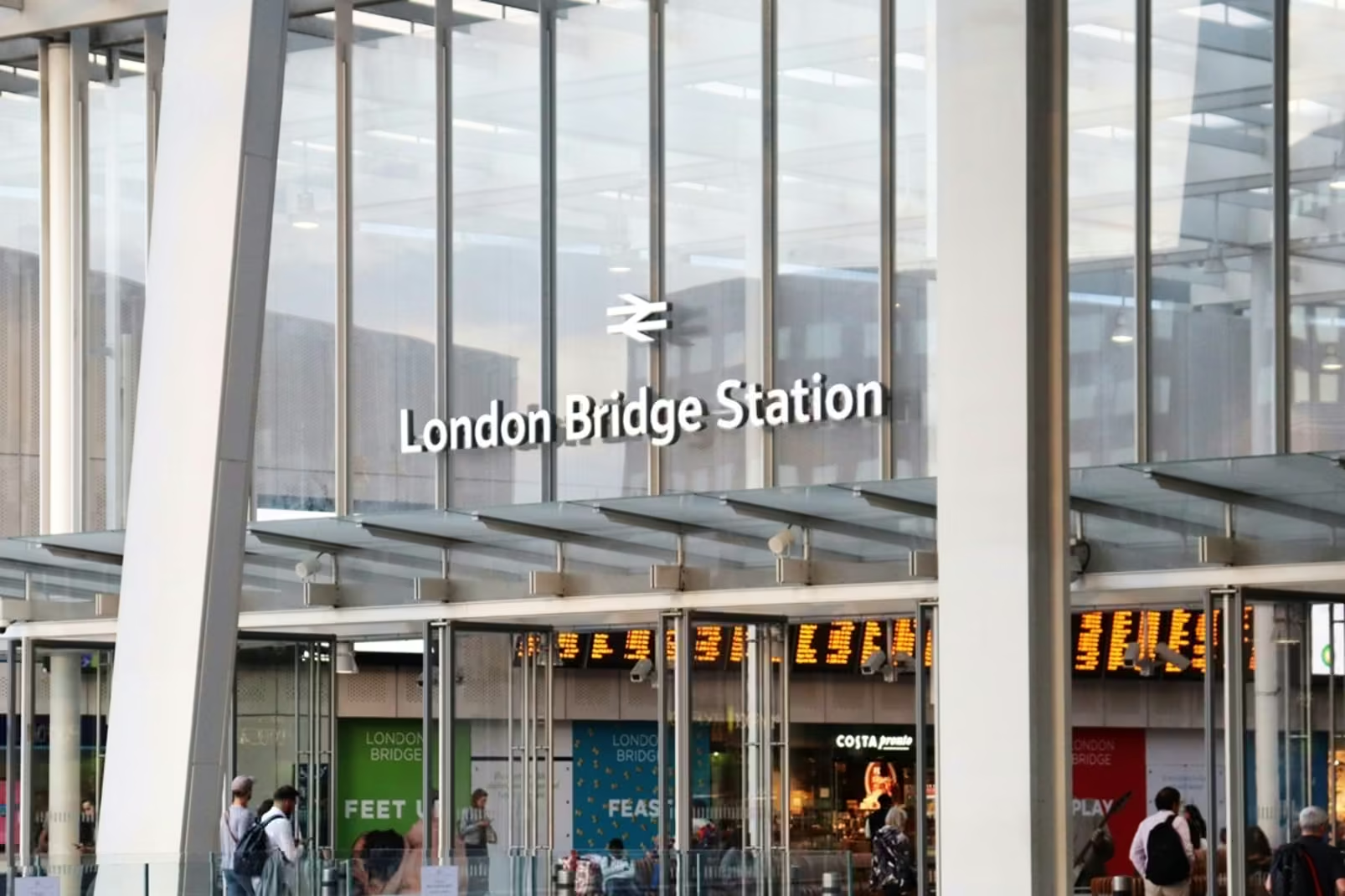
With both Underground and Rail services operating from a single station, London Bridge’s transport links are a key reason that the area works so well for growing businesses.
National Rail services bring in staff from Southeast London, Kent, Sussex, and parts of Surrey, making it easier to recruit from a wider talent pool. At the same time, the Jubilee and Northern lines provide fast cross-London routes, allowing staff to commute from a broader range of locations as teams grow.
Multiple transport options also help teams to stay productive even when services are disrupted. This is particularly important for companies still establishing themselves, where individuals often take on additional responsibilities before new hires are made.
In our experience, this connectivity works especially well for client-facing firms as they scale, making it easier to host meetings with partners and investors travelling from across London and beyond.
2. Central Location That Supports Tighter Budgets
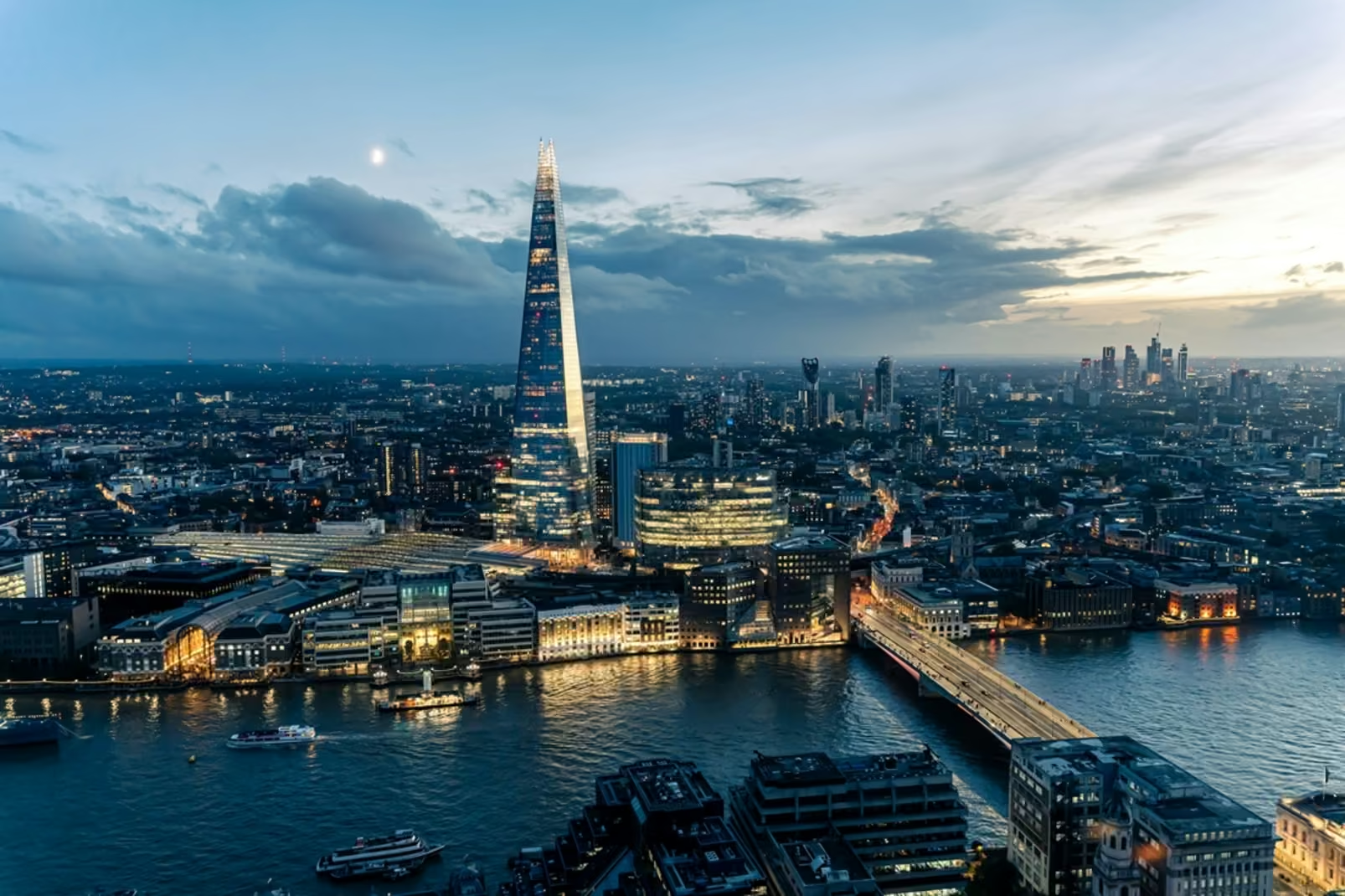
Many growing organisations want to be close to the City of London, without committing to the higher rental fees too early. London Bridge’s proximity to the City makes it a convenient and strategic base, while its office costs are more manageable.
We often see London Bridge appeal to firms that need to maintain credibility and accessibility while operating on a tight budget as they scale.
3. Strong Supply of Flexible Office Space
London Bridge also offers a strong supply of serviced and managed office space, both of which provide more flexibility than traditional leased spaces and support businesses whose space requirements can change quickly as they expand.
Clients we’ve worked with often highlight the ability to increase desk numbers without relocating as a major advantage, especially during periods of rapid growth. The shorter commitments typically associated with serviced offices help limit risk while the business is still evolving, while inclusive pricing makes costs easier to forecast as headcounts change.
On the other hand, we find that managed offices suit companies seeking greater control over branding and office layout without the commitment of a long-term contract.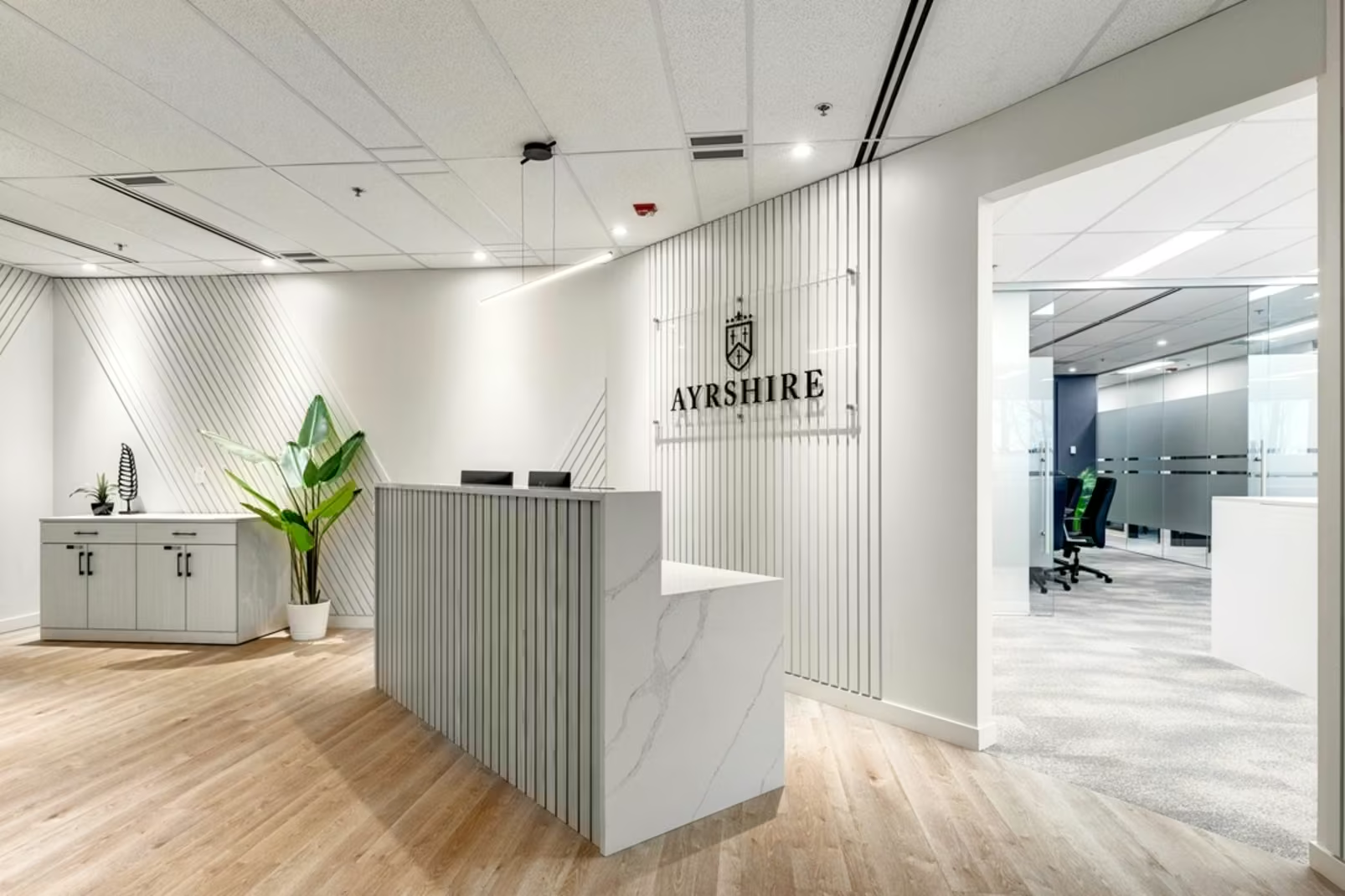
4. Business-Focused Working Environment
As headcount increases, factors such as noise, congestion, high footfall, and an unpredictable work environment can reduce focus and the employee experience.
From our experience, London Bridge appeals to growing businesses seeking a more predictable working environment. This is because it is a more commercial, office-led location than other Central London areas such as the South Bank, Soho, and Shoreditch, which tend to suit creative and tech-based companies.
5. Ongoing Investment and Business Support
Team London Bridge, a Business Improvement District (BID), actively supports local companies by maintaining and enhancing the local environment. Investment in safety, street management, and cleanliness helps businesses maintain professional standards as footfall increases.
Frequent business events and networking opportunities, such as Love Lunch, promote community engagement and healthy working habits. These become especially valuable as teams expand and organisations move beyond informal, founder-led relationships.

We’ve seen an increase in enquiries for office space in London Bridge as a result of this ongoing investment, with clients telling us it gives them confidence that the area will continue to support them as they grow.
6. Local Amenities That Help Attract and Retain Talent
Once teams start to grow, retaining staff becomes just as essential as attracting them. We’ve found that London Bridge offers a strong mix of amenities that enhance the everyday working experience.
For example, local cafes and Borough Market support informal meetings and team lunches. Access to the Thames Path and green spaces such as Potters Fields Park also gives employees space to step away from their desks and recharge during the working day.
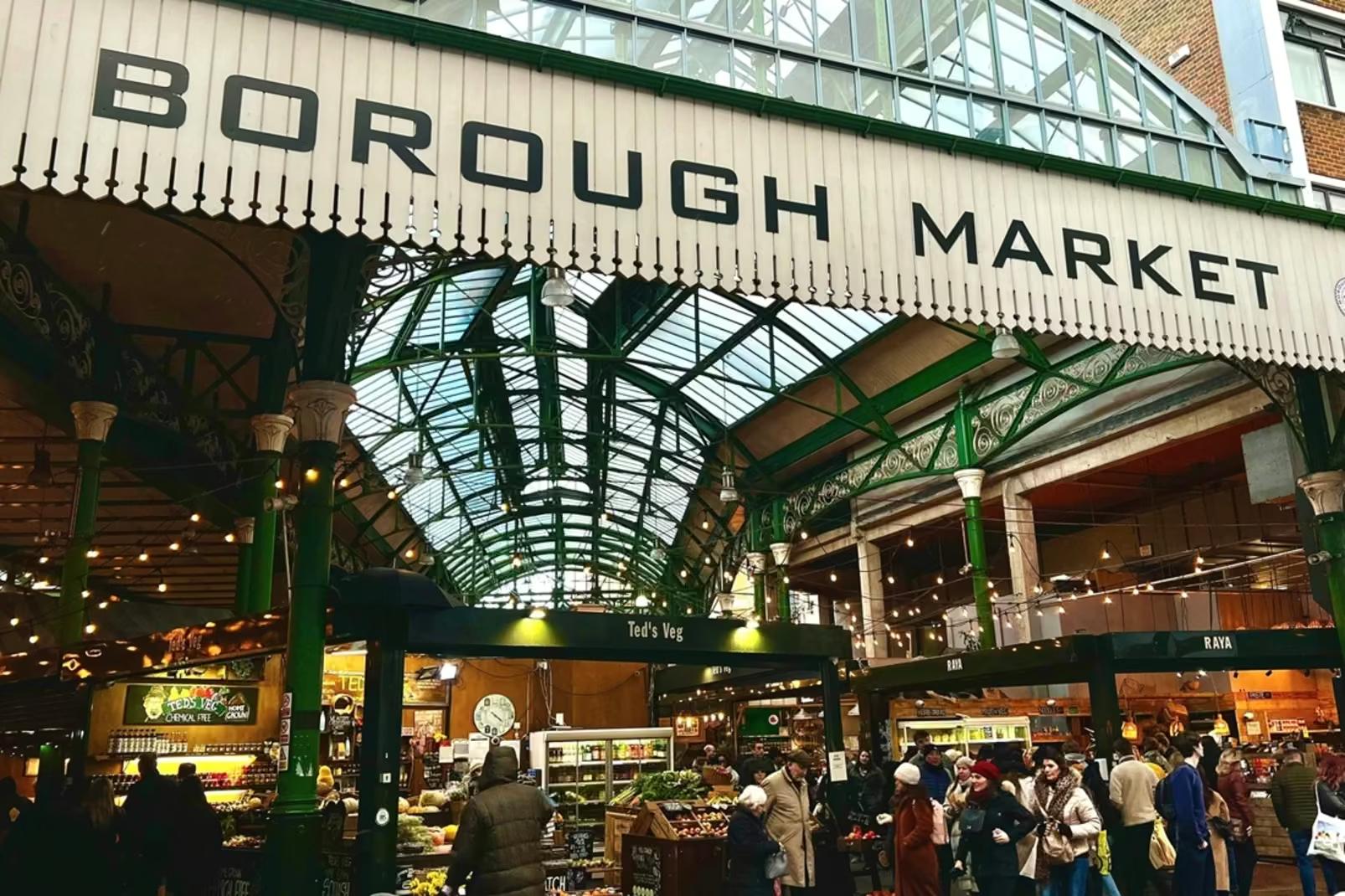
Popular nearby spots for after-work socials include Vinegar Yard and Flat Iron Square, which support staff satisfaction and help to foster strong connections within growing businesses.
Access to these amenities can make a real difference, particularly for companies looking to expand their teams.
7. Modern, Redeveloped Office Buildings
Office buildings in London Bridge have seen significant redevelopment in recent years, particularly around Tooley Street and London Bridge Street.
Refurbished offices typically offer updated services, layouts and facilities that are better suited to modern expectations and hybrid working patterns. In our experience, this often includes improved collaboration areas, open-plan workspaces, temporary partitions and premium on-site amenities.
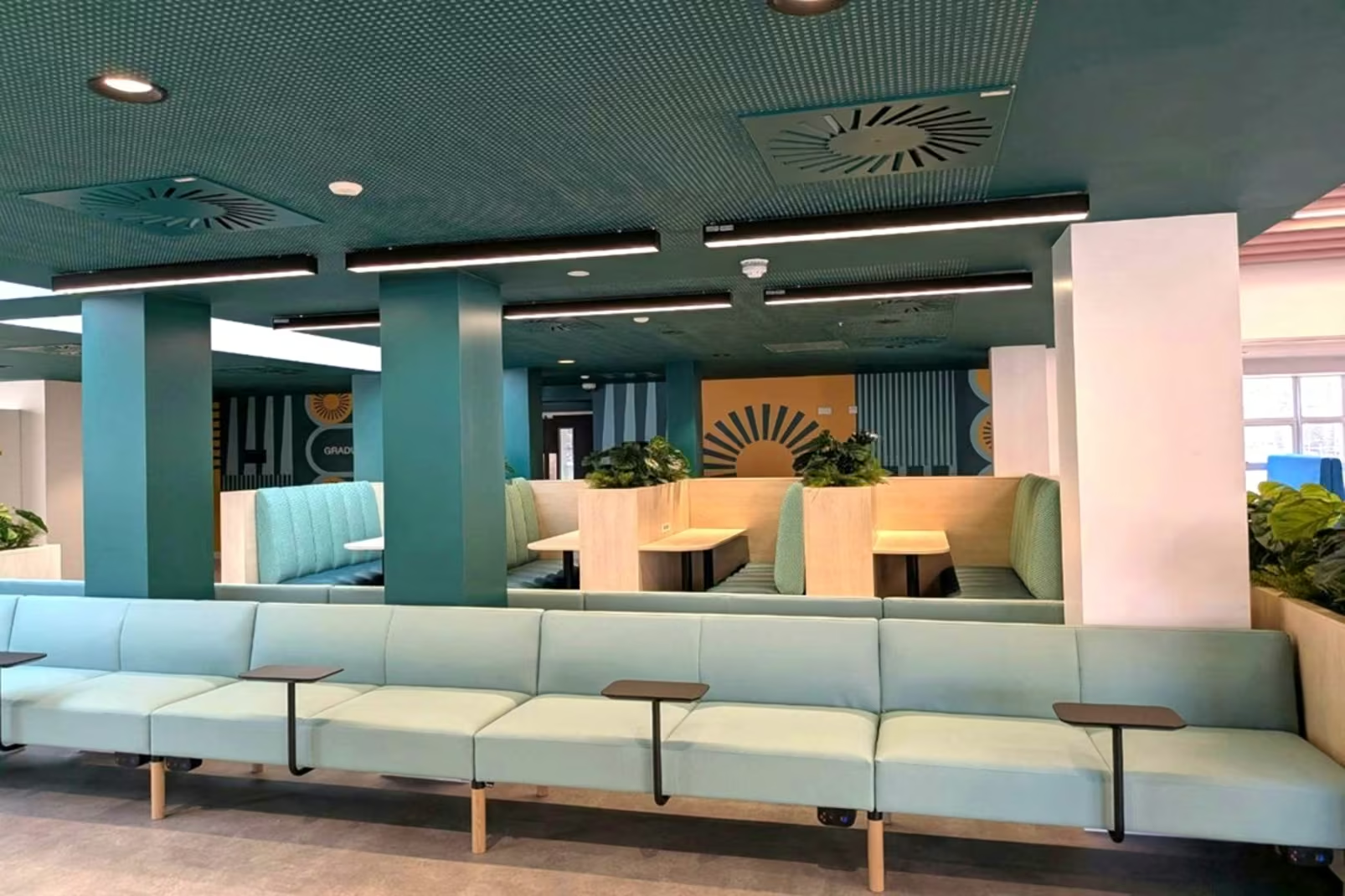
In many serviced office buildings in London Bridge, these features are already built in, allowing growing businesses to move in quickly, whilst avoiding costly fit-outs or disruptive reconfigurations.
Modern, adaptable office space helps companies avoid frequent relocations as teams grow, making long-term planning easier.
London Bridge remains a standout choice for growing businesses in Central London. Its strong transport links support wider recruitment and client access, while the area’s business-focused environment provides a more predictable setting for efficient day-to-day operations.
The area also benefits from a strong supply of flexible, modern office space, allowing businesses to adapt as their teams grow and requirements change.