Office space is no longer treated as a fixed, long-term commitment. Over time, we’ve seen businesses make more deliberate choices about the size of the space they take, how it is used, and how easily it can be adapted. Decisions are now based on real attendance numbers, flexibility and experience.
Below are the key actions businesses are taking as working patterns, business requirements and employee expectations evolve.
Aligning Office Size with Occupancy and Hybrid Working
One of the most significant changes is how companies choose the size of their office space. As identified in our 2025 market report, companies are now basing the space on typical weekly attendance, rather than total headcount.
Although hybrid working patterns have largely settled, many of the clients we work with tell us their offices are rarely at full capacity. As a result, many organisations are reducing their office footprint to reflect actual usage. This approach often involves moving away from a one-desk-per-employee ratio, acknowledging that desks can be shared when attendance is staggered.
Businesses use booking systems to predict attendance and manage desk availability. This allows them to work flexibly while avoiding paying for unused space.
Converting Desk Space into Collaboration Areas
As the need for individual desks continues to decline, firms are actively re-evaluating how the surplus office space should be used.
Traditional desk layouts are increasingly being replaced with collaboration zones, project spaces and informal meeting areas. This shift reflects a broader understanding that offices are often most valuable when they enable interaction, discussion, and teamwork.
By reallocating floor space in this way, companies ensure their workspaces are more intentionally designed.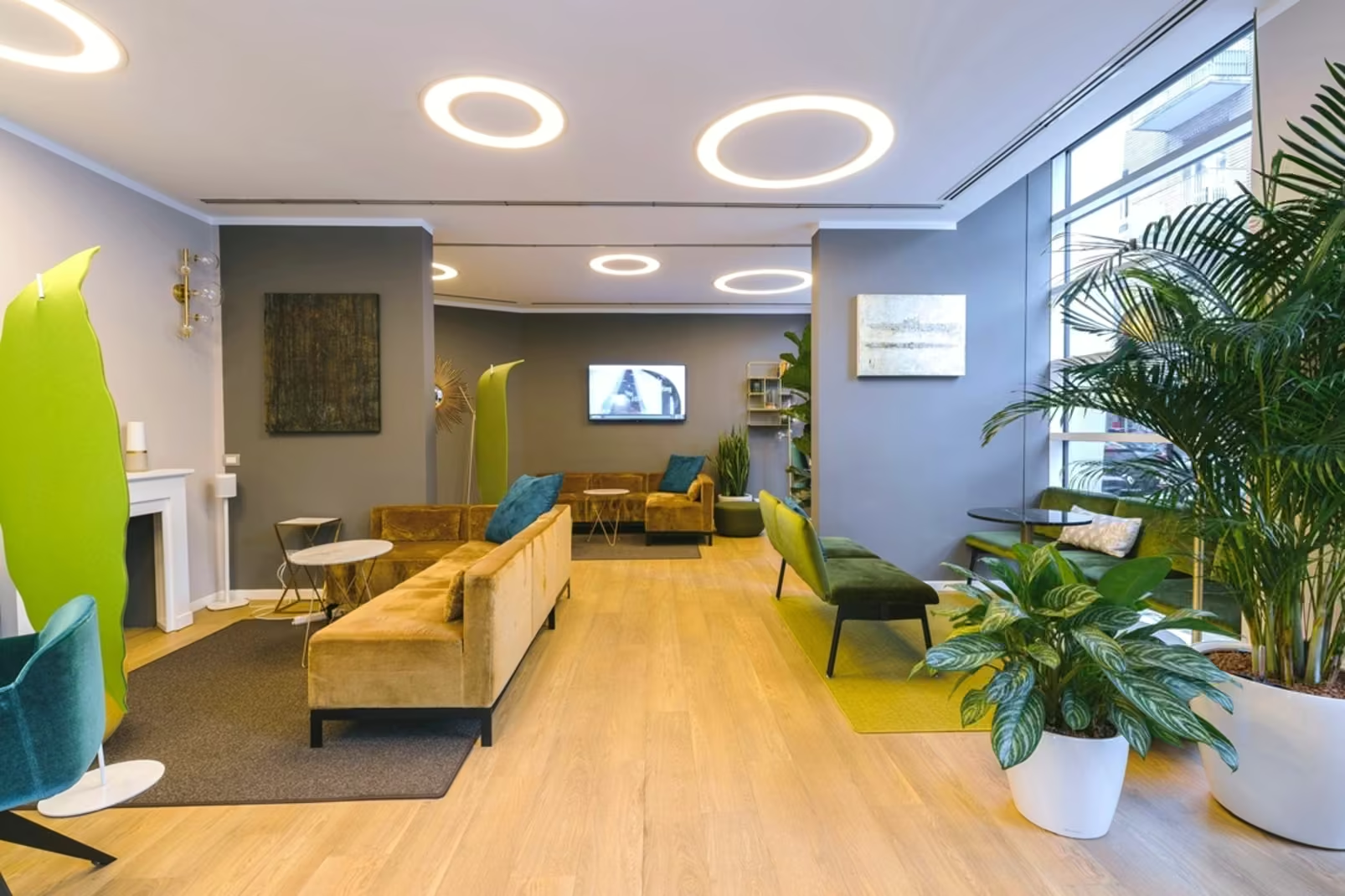
Using Offices for Planned In-Person Activity
Alongside changes to workspace layouts, businesses are also changing how and when the office is used. Daily attendance is no longer assumed; instead, teams come together for specific purposes, including meetings, workshops, onboarding, and scheduled team days.
Clients we’ve worked with have told us this approach helps make time spent in the office more intentional, focused, and productive.
Improving Office Space Design to Increase Attendance
As offices are used more selectively, the quality of the environment now plays a much bigger role in whether staff choose to come in.
As a result, businesses are investing more thoughtfully in design by focusing on comfort and the overall experience. Based on the enquiries we receive, businesses are increasingly seeking serviced offices that offer:
• Better acoustics, lighting, air quality, and ergonomic furniture, which help create a calmer, more comfortable environment that supports longer periods in the office while reducing fatigue and distraction.
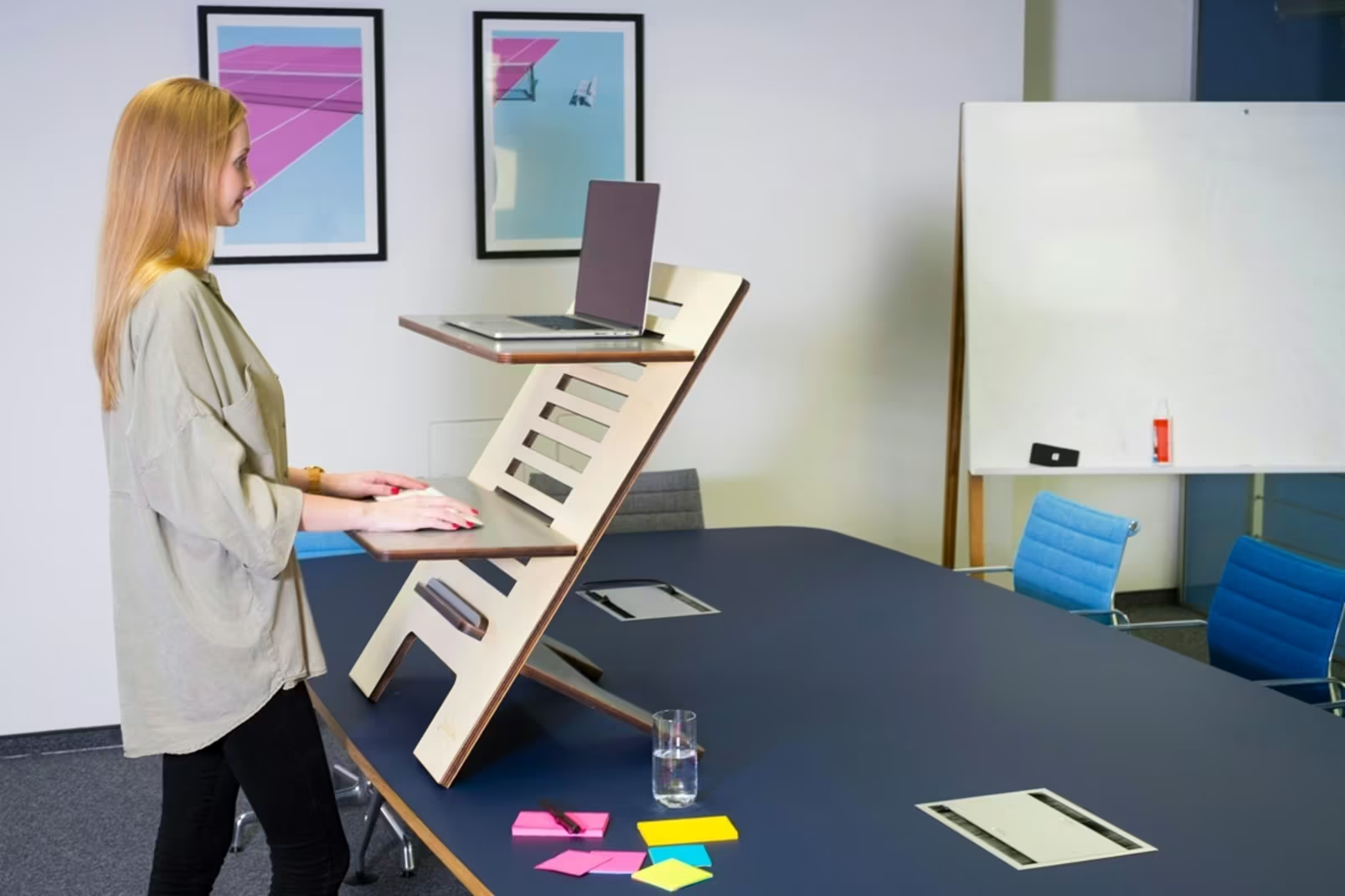
• Social and breakout spaces that support wellbeing and day-to-day interaction, giving teams a place to unwind, hold informal discussions and catch up away from the desk.
• On-site amenities such as gyms, cafes, outdoor areas and wellness rooms, which help to make the office space more appealing by supporting work-life balance and limiting the need to leave the building during the day.
These features are no longer viewed as optional extras and have become essential in making the office a place that employees want to use, rather than somewhere they feel obliged to attend.
Choosing Shorter Office Leases to Limit Long-Term Risk
With office usage becoming less predictable, many companies are reconsidering how much risk they are willing to take when renting office space. This has led to a clear shift away from long, inflexible contracts.
Shorter lease terms offered with serviced and managed offices give organisations greater flexibility if headcount, working patterns or costs change. We’ve seen many clients favouring agreements with earlier exit options to avoid being locked into a space that no longer meets their needs.
This highlights a broader change in office space usage, with businesses choosing arrangements that can adapt as their requirements evolve.
Prioritising Scalable Office Space
Flexibility is also becoming a key element within workspace design itself. We’ve noticed that organisations are placing greater emphasis on whether an office will support their business as it evolves.
Scalable office space allows teams to expand or contract without the disruption of relocating. This is particularly important for companies experiencing growth, restructuring, or uncertainty, where future space requirements may be harder to predict. By choosing offices that can adapt, employers can provide more stability for their teams.
Taking Smaller Workspaces in High-Quality Office Buildings
Businesses are increasingly rethinking the balance between office size and quality. Rather than maximising square footage, many are choosing to invest in workspaces that offer a better working environment.
In our experience, this often means taking a smaller office space within a higher-quality building. Well-designed shared spaces, strong on-site amenities, and accessible locations are increasingly valued over scale alone. Companies are focusing on quality rather than quantity to attract and retain talent, while ensuring the space aligns with actual usage.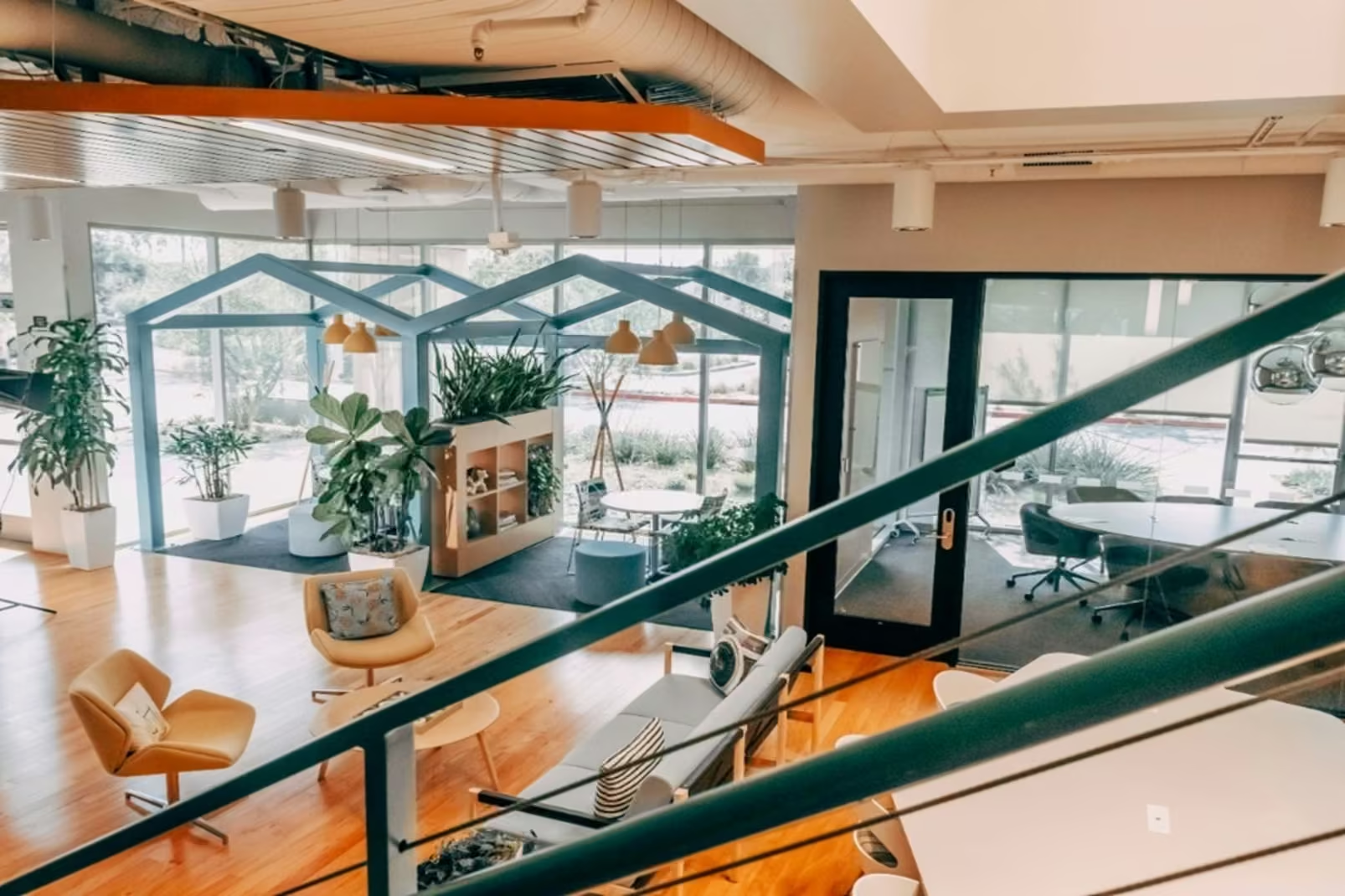
Selecting Plug-and-Play Offices Over Custom Fit-Outs
We’ve also seen many firms question whether traditional bespoke fit-outs remain practical in a more dynamic working environment.
Plug-and-play offices offer a practical alternative, allowing organisations to move in quickly, avoid large upfront costs, and minimise disruption to day-to-day operations.
From our experience, many clients tell us that the speed, simplicity, and lower risk associated with flexible workspaces outweigh the benefits of renting a fully customised office.
Prioritising ESG Performance When Shortlisting Office Space
Alongside cost, flexibility, and experience, sustainability now plays a central role in office decision-making.
We’ve noticed that many businesses now treat ESG performance as a baseline requirement when shortlisting office space, rather than an added benefit. Factors such as energy efficiency and shared building infrastructure are closely considered, particularly by companies with wider environmental and governance commitments. These considerations influence long-term operating costs and brand reputation.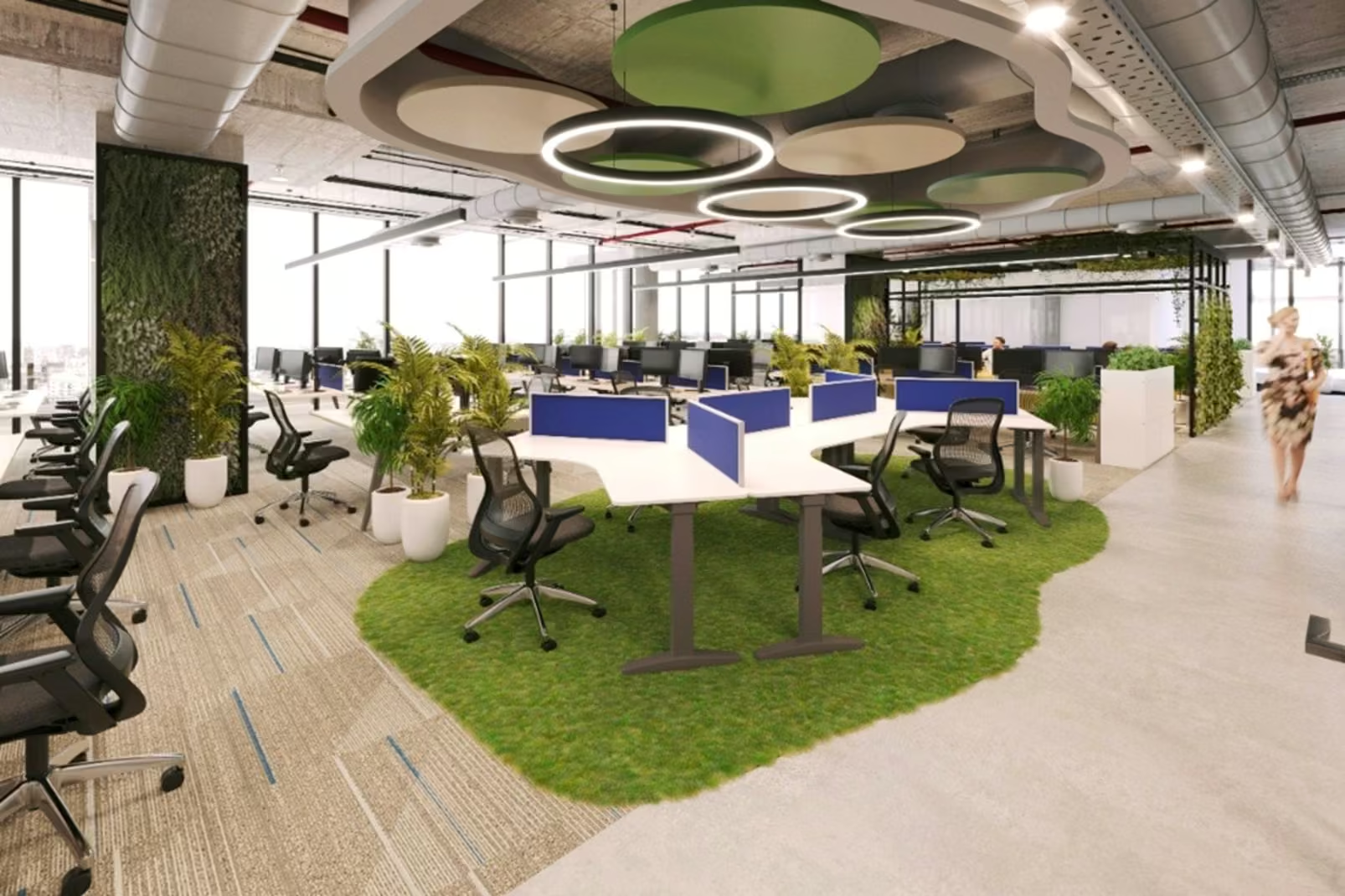
Choosing Workspaces with Built-In Technology for Hybrid Work
As hybrid working has become an established part of how many teams operate, technology is no longer something businesses want to add in after they move in.
Based on our enquiries, companies are actively choosing workspaces with AV-equipped meeting rooms and reliable connectivity that enable seamless collaboration between in-office and remote employees. Built-in technology reduces the need for additional investment and helps minimise disruptions on day one.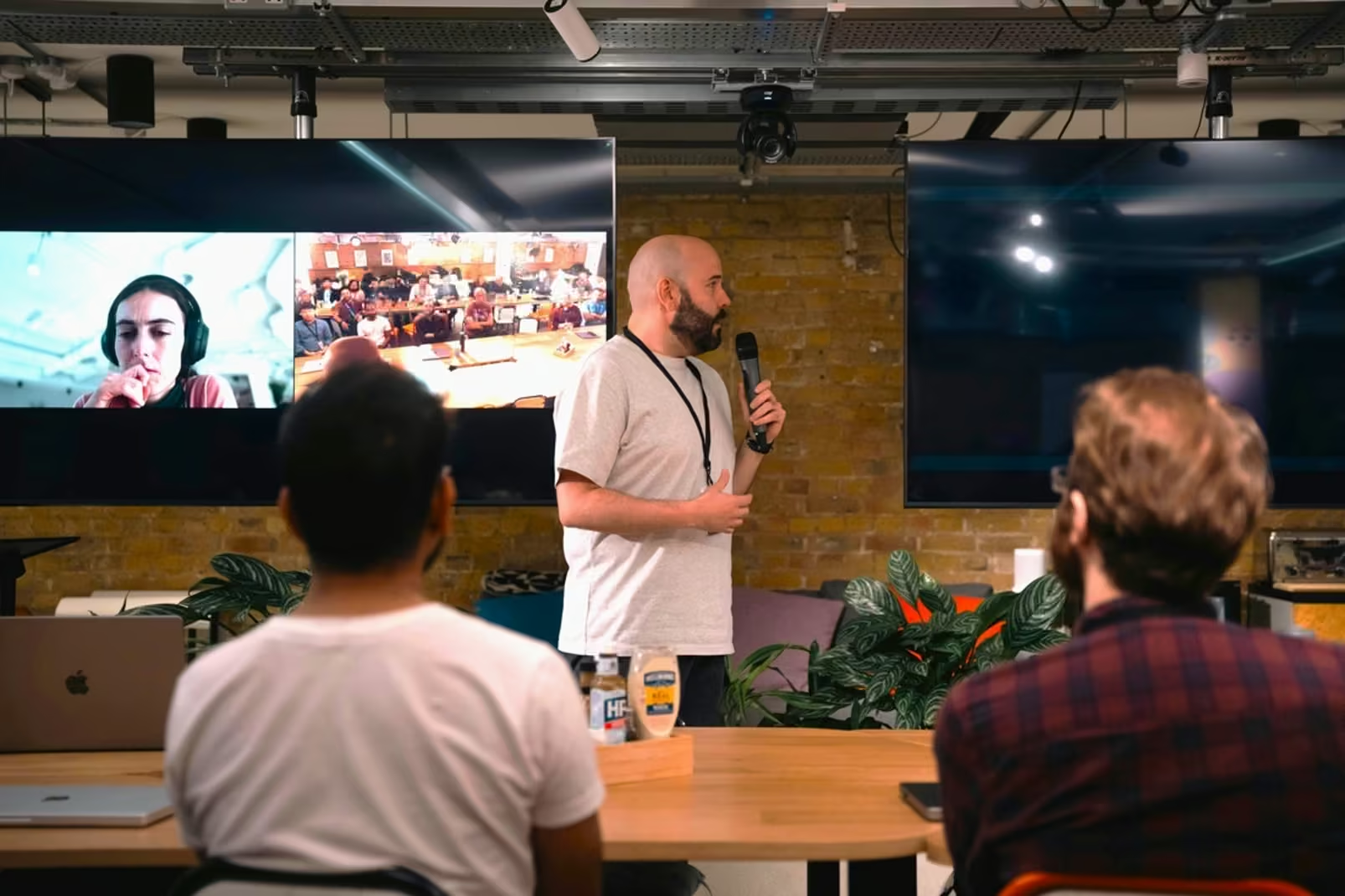
Monitoring Office Usage Regularly
Workplace strategies are also becoming more flexible, and businesses are changing how they manage space over time. Rather than waiting for lease milestones to review their setup, many are now monitoring usage on a more regular basis.
By tracking attendance and workspace utilisation throughout the year, organisations can identify underused areas early and make informed decisions about resizing, renewing, or relocating. This proactive approach helps keep the office space aligned with actual use patterns, rather than waiting until it is no longer being used efficiently.
Overall, these changes reflect a shift towards a more deliberate, data-led approach to how businesses use office space. Office size is increasingly shaped by real occupancy, while layouts and facilities are designed to support collaboration and flexibility.
At the same time, workspaces are being reviewed more regularly to ensure they continue to support how businesses operate today and how they expect to change in the future.