
Trends We Expect to Shape London Serviced Office Searches in 2026
This report outlines the key trends we expect to shape demand for London serviced offices in 2026.
As 2026 begins, we predict that London serviced office searches will become more structured, data-led and outcome-driven.
Based on our recent enquiries, we expect businesses to prioritise serviced offices that support fixed in-office patterns, collaboration, accessibility, energy compliance and employee experience.
More Predictable Office Attendance as Hybrid Patterns Stabilise
Early enquiry data suggests that hybrid working patterns will stabilise, making office attendance more predictable.
We expect more companies to enter the search process with fixed ‘in-office’ days. Early indicators suggest this will likely impact how serviced offices in London are evaluated and shortlisted, with occupiers prioritising offices configured for peak attendance days.
As this trend continues, we predict:
• Decreased demand for oversized floorplates and desk-heavy workspaces.
• More accurate space planning at the enquiry stage.
• Quicker shortlisting driven by clearer attendance predictions.
Shift Toward Collaboration-Focused Office Layouts
Another trend we expect to see is collaboration-led layouts becoming one of the most influential design factors shaping London serviced office searches in 2026.
Office attendance is likely to be driven by team-based work, rather than individual desk use, with operator pipelines showing a clear shift toward offices designed around collaboration.
We expect this to reshape how office spaces for rent are evaluated, and predict organisations to favour workspaces with:
• Purpose-built collaboration rooms.
• Adaptable spaces for project work and planning.
• Well-designed meeting rooms that support hybrid participation.
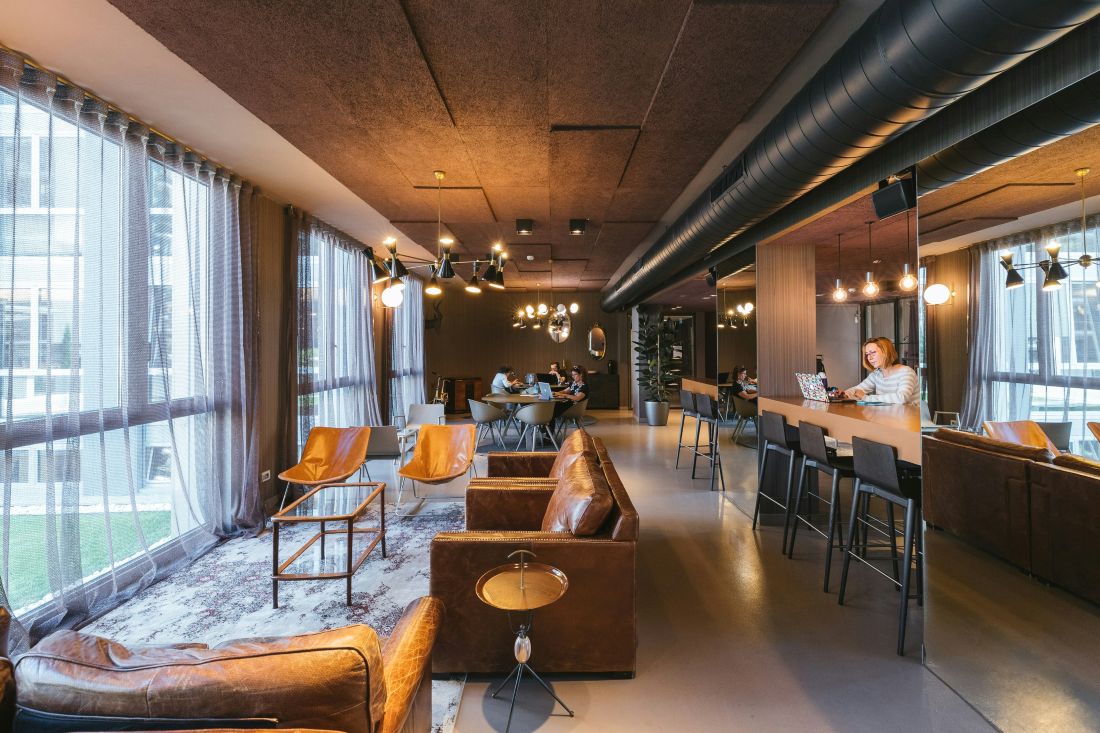
We predict that collaboration-led office designs are likely to outperform desk-dominant layouts in both enquiry volumes and conversion rates.
Demand for Proximity-Based Workspaces and Sub-20 Minute Commutes
We also foresee that ease of commuting will remain a decisive factor in the search for office spaces in London throughout 2026.
According to current enquiry patterns, more organisations are choosing office locations based on where their employees live. This is likely to accelerate the shift away from prestige-led locations towards more accessible, commuter-friendly areas.
We predict continued growth in demand for well-connected areas such as Stratford, Paddington, King’s Cross, and Waterloo, where strong interchange access supports quicker, more reliable commutes.
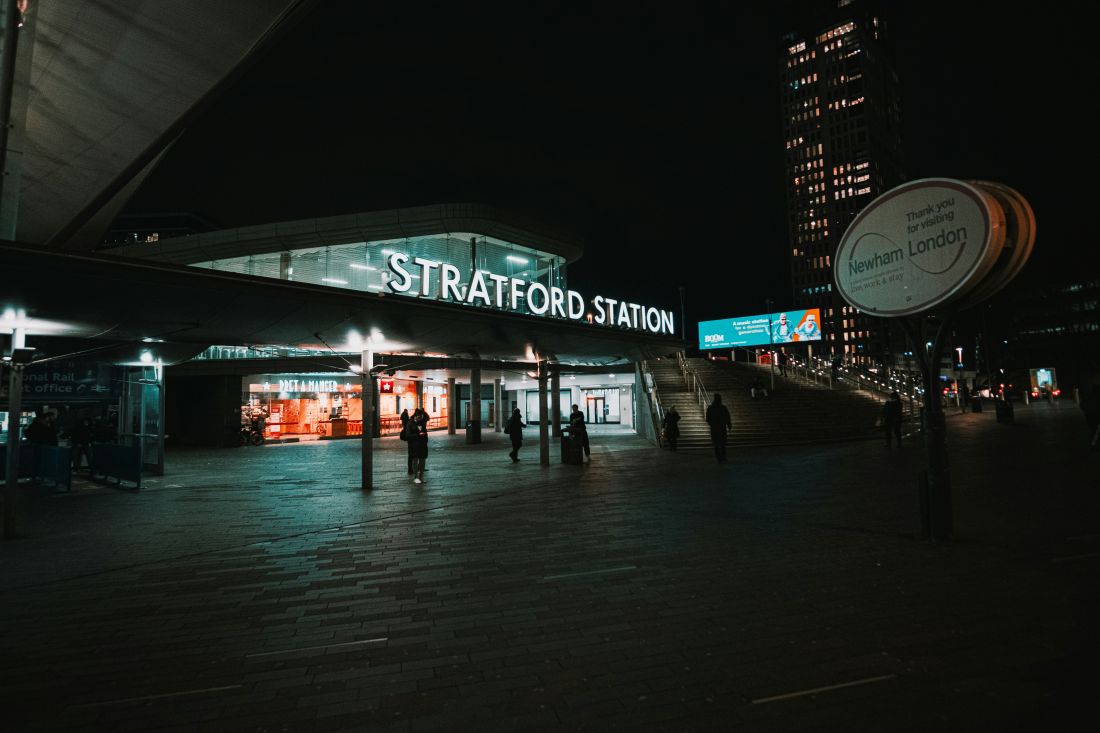
As this trend evolves, we expect it to lead to:
• More narrowly defined location searches.
• Fewer broad enquiries for anywhere in London.
• Increased preference for offices that support sub-20-minute commutes
• Shortlisting decisions driven by journey time and accessibility, rather than postcode reputation.
Continued Demand for Dual-Office Setups
In our opinion, dual-office strategies that combine two locations are set to become more established in 2026. Recent enquiry patterns and operator feedback suggest that SMEs and mid-sized companies will continue to adopt this approach to balance collaboration with convenience.
We expect firms to seek office space for rent in Central London to support collaboration-heavy days, alongside smaller satellite offices closer to key residential areas such as Croydon, Wimbledon, and Ealing.
We also foresee providers that can support multi-location contracts to gain a clear competitive advantage.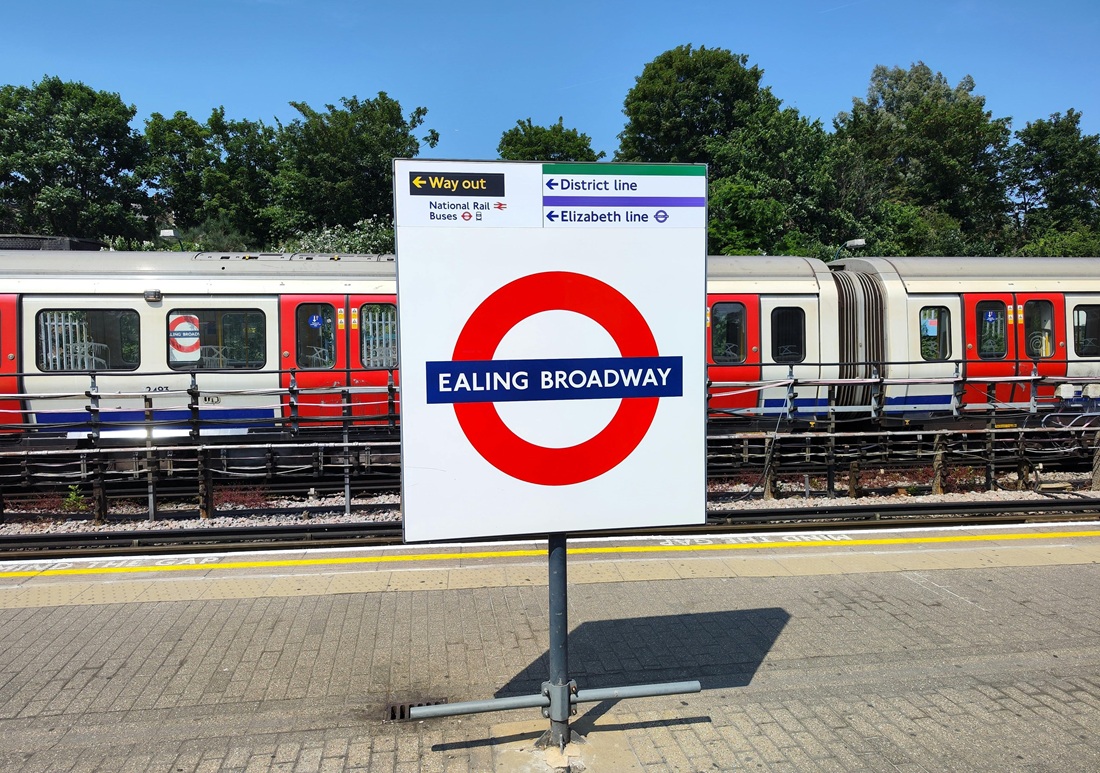
Energy Ratings Become a Non-Negotiable for Businesses Seeking Office Space for Rent
As we highlighted in our 2025 report, sustainability and energy performance have already become key decision drivers in the search for serviced offices in London.
We predict that EPC B readiness will remain a baseline rather than a differentiator. From our perspective, many companies are already excluding non-compliant buildings before arranging viewings.
We also expect to see a greater focus on operational performance, rather than headline ratings alone.
As this trend accelerates throughout 2026, older, less energy-efficient buildings are likely to attract fewer enquiries as ESG criteria are applied earlier in the search process. Landlords will also be expected to demonstrate compliance with modern standards to remain competitive.
Expectation for Real-Time Building Data from Providers
Transparency is also set to play a central role in serviced office selection during 2026. Based on occupier pipelines, we predict that real-time building data will increasingly influence shortlisting choices.
We expect businesses to place greater emphasis on understanding how workspaces operate day to day, not just how they are marketed.
We believe that serviced offices offering live air quality, occupancy, and energy usage data are likely to benefit from higher enquiry-to-viewing conversion rates and greater occupier confidence. 
Smart, AI-Enhanced Workspaces to Become Mainstream
Building upon the trends we identified in our 2025 report, smart technology and AI-enabled workspaces are set to move into the mainstream. We predict continued growth in demand for serviced offices that use AI to optimise layout, temperature, lighting, energy use, and room booking.
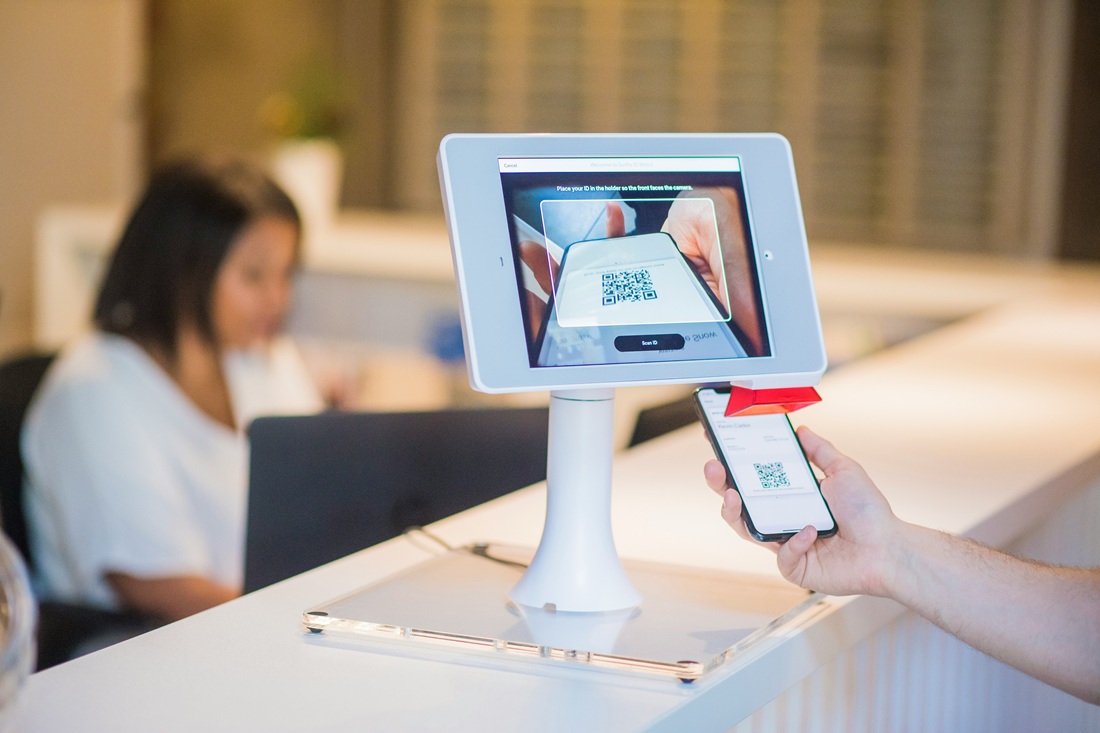
As this trend develops, we expect these systems to be viewed as practical tools that improve day-to-day performance, rather than novelty add-ons. As a result, companies are expected to favour office spaces that streamline office management and better support hybrid teams.
High-End Office Spaces Outperforming Secondary Office Stock
We also expect the demand gap between high-quality serviced offices and secondary, non-refurbished stock to widen further throughout 2026. Based on our recent enquiry data and viewing feedback, we anticipate a continued interest in design-led, hospitality-inspired workspaces.
Early indicators suggest that office quality is increasingly linked to a company’s reputation as a place to work, employee engagement and attendance.
We predict that secondary serviced office spaces are increasingly likely to struggle to compete for visibility during office selection, while premium spaces will continue to dominate shortlists.
Rise in Demand for Customisable Serviced Offices
The demand for adaptable and customisable serviced offices is also set to increase throughout 2026. Based on recent feedback from operators and occupiers, we foresee further overlap between serviced and managed office models.
We expect firms to increasingly want their office environments to reflect their company culture without committing to long-term leases. As a result, demand is expected to rise for offices that allow branding, layout adjustments and customisable amenity options within serviced contracts.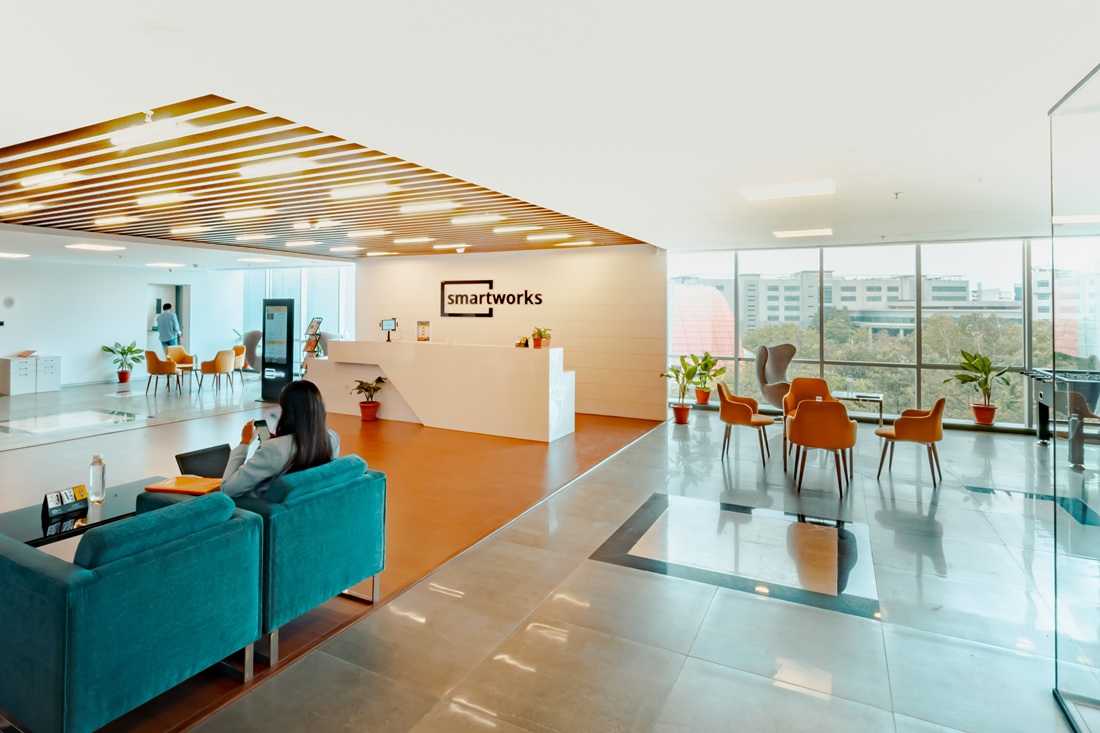
Workspaces Used to Attract and Retain Talent
Offices are expected to play a more prominent role in talent strategy in 2026. Early indicators suggest growing demand for amenity-rich serviced offices that support social interaction, wellbeing, and community.
Businesses are increasingly prioritising workspace facilities such as:
• Informal social and breakout spaces that foster interaction away from desks and meeting rooms.
• Shared kitchens, cafés and dining areas that offer convenience and encourage casual catch-ups.
• Wellness spaces, quiet rooms and gym facilities which help support better mental and physical wellbeing.
• Outdoor areas and terraces that offer a place for staff to unwind, recharge and socialise.
• Events, talks and networking activities that build connections across the wider office.
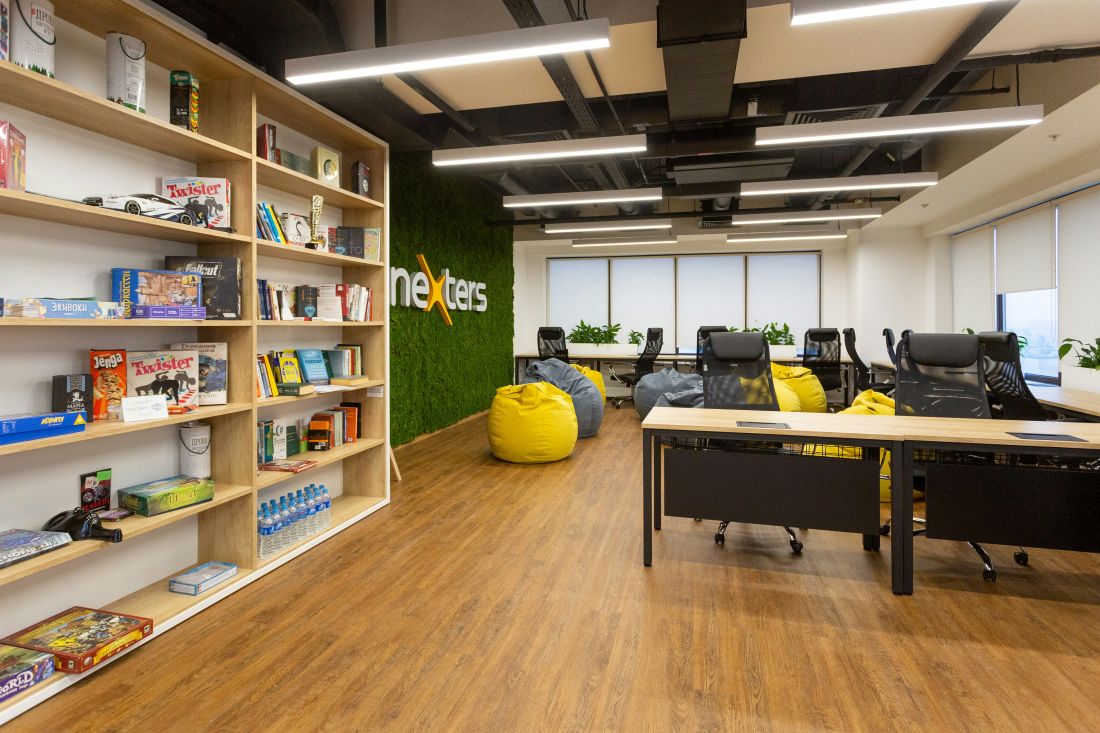
We anticipate this will increasingly steer searches toward experience-led serviced offices for rent over cost-driven options.
Steady Demand for Workspaces with Advanced Acoustic Design Features
Acoustic performance is expected to remain a key requirement in serviced office searches throughout 2026. Based on recent client feedback, demand for buildings with advanced acoustic design features is likely to remain strong.
Consequently, we anticipate that workspaces which effectively address noise issues will convert more quickly than those that do not. This also reinforces a growing preference for quiet pods, acoustic zoning, and smaller meeting rooms.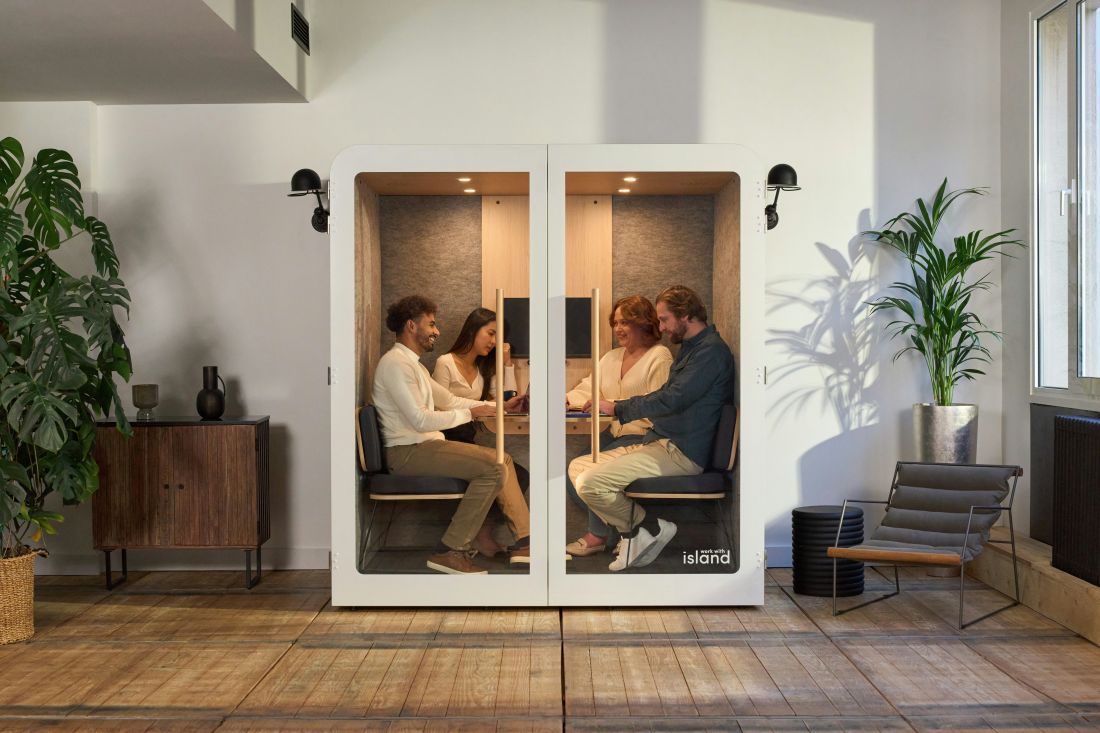
How FreeOfficeFinder Helps Businesses Navigate 2026’s Emerging Trends
At FreeOfficeFinder, our role in 2026 is to help businesses turn these trends into practical, real-world decisions. Using our enquiry data and market insight, we will guide businesses to finding serviced offices located in London (and the UK) that meet their attendance, commuting, and energy requirements.
As these trends continue to evolve throughout 2026, we will ensure companies choose the right office space. We will do this by tailoring shortlists and arranging viewings for spaces that reflect current market conditions and specific business preferences.
We also support firms with scaling, hybrid planning and location strategy as their needs change during the year.
The search for office space is set to become more selective, structured and strategic. Businesses are likely to place greater emphasis on efficiency, employee experience and long-term adaptability.
We anticipate that providers investing in high-quality, flexible and energy-efficient workspaces will be best placed to meet occupier expectations in 2026 and continue to outperform secondary stock.