
Our annual research report examines how serviced office rates changed across London and the UK between January 2025 and January 2026, highlighting where costs remained stable and where notable shifts occurred across regions and submarkets.
Drawing on aggregated data from offices marketed by FreeOfficeFinder, we explore broader market trends, regional variations, and the factors influencing price changes over the past 12 months.
Unlike our live pricing tool, which provides current office costs by location, this review focuses on how the market evolved over time and what those changes mean for businesses planning office space requirements in 2026.
Key Findings
These findings highlight the most significant serviced office pricing changes we recorded across London and the UK over the last year.
• The UK national average increased 1.3% from £312 to £316 per desk per month, confirming a period of market stabilisation.
• Central London pricing fell by 3.5% as occupiers became more selective.
• Bristol recorded the strongest growth, with rates rising by 23.2% from £302 to £372.
• Manchester saw the largest regional decline, with rates decreasing 13.5% from £348 to £301.
• Southeast markets, including Cambridge, Brighton, and Reading, all recorded double-digit pricing growth during 2025.
• By January 2026, London figures remained 50% above the UK office market average.
• Rates across the wider market were increasingly shaped by demand for well-connected offices offering higher-quality workspace and amenities.
Market Overview: How Serviced Office Pricing Shifted in 2025
Serviced office pricing across the UK remained largely stable during 2025, confirming a period of market normalisation. The national average increased slightly from £312 per desk per month to £316, indicating steady office space demand outside the capital.
In contrast, pricing in London eased over the year. The average rate of a serviced office in Central London fell from £649 to £626, while Greater London saw a reduction from £337 to £326. This shift reflected a pricing reset, rather than a decline in demand, as the market stabilised following several years of disruption.
The pricing patterns captured in our data mirrored wider market trends, with costs increasingly shaped by location quality, transport connectivity, and the types of occupiers each area attracts. Regional office markets showed resilience, and while London remained the most expensive market, pricing entering January 2026 was less inflated than at the start of 2025.
London Comparison: Central vs Greater London
We found that both Central and Greater London recorded similar declines over the same period. Our data demonstrates that Central London prices fell by approximately 3.5% and Greater London by 3.3%. Despite similar outcomes, the underlying factors behind this are significantly different.
In Central London, pricing softened as occupiers became more selective, prioritising high-quality office buildings in core locations. As a result, providers of less competitive stock were forced to lower rates to remain attractive. As outlined in our recent 2026 report, we expect this pressure to continue throughout 2026. In Greater London, the shift was largely shaped by cost efficiency and transport access.
Central London
The West End
Our data indicates that the West End remains the most expensive office sub-market in 2025, although pricing varied depending on the location.
At the top end of the market, office space for rent in Mayfair strengthened from £942 in January 2025 to £965 at the start of 2026. This reflects a growing demand for premium serviced workspace. Elsewhere, pricing generally eased. Soho softened from £940 to £888 while Piccadilly experienced a sharper adjustment, falling from £747 to £625, a decline of 16.3%.
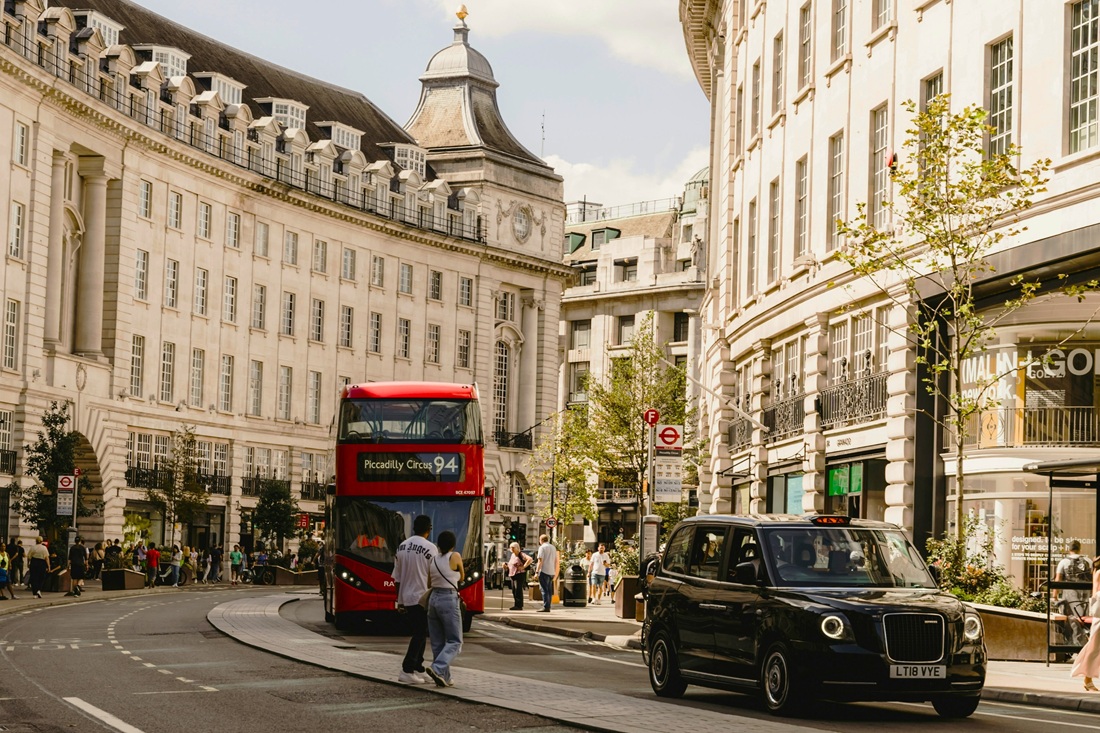
Overall, the West End demonstrated a clear move to quality, with areas offering high-spec buildings, strong amenities and an established reputation proving far more resilient than secondary options. By January 2026, pricing across the West End remained elevated but was more closely aligned with occupier expectations than at the beginning of 2025.
The City of London
Pricing within the City of London was broadly stable throughout 2025. Our data shows that Moorgate softened from £633 to £597, while Cannon Street remained relatively consistent, recording averages of £690 in January 2025 and £670 at the start of 2026.
In Bank, the cost of a serviced office was around £736 in January 2025. However, our figures showed a sharp peak of £824 in July 2025, before rates settled back to £737 by January 2026. This mid-year spike reflects a short-term demand surge rather than a sustained change, suggesting that pricing can be cyclical, rather than linear. 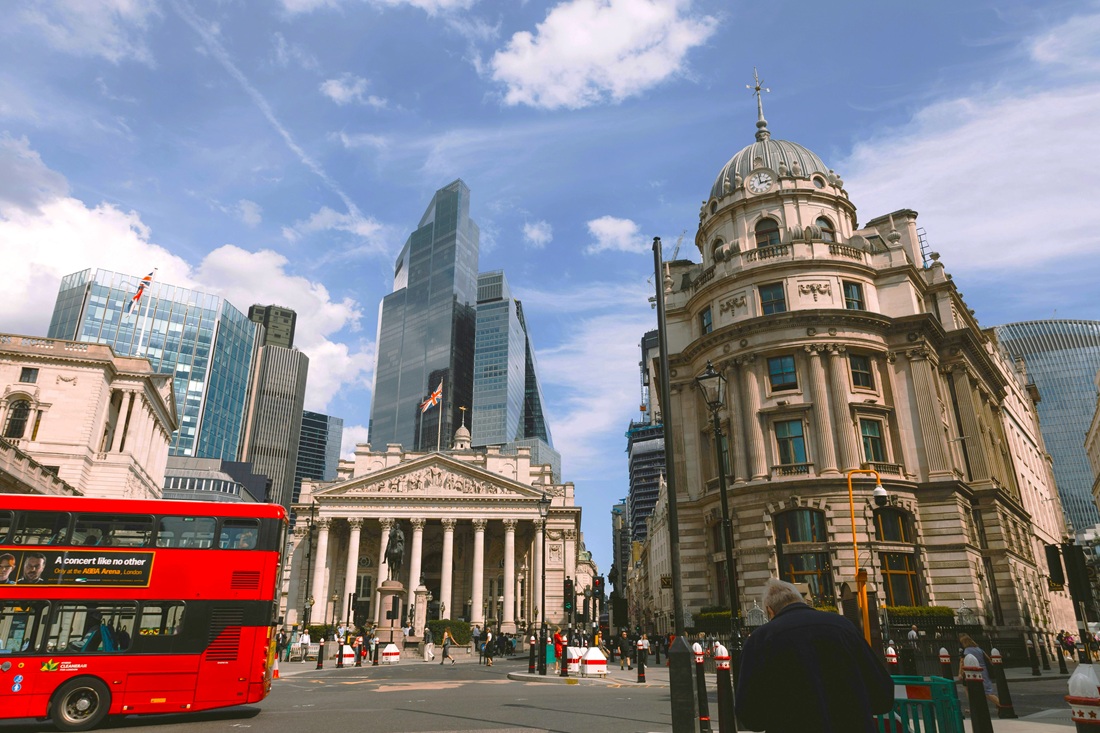
City Fringe & Key Business Hubs
Several City Fringe locations and major business hubs provided some of the clearest examples of the market rebalancing during 2025.
Our data shows that Canary Wharf strengthened from £490 to £551, an increase of 12.4%. This was supported by its modern office stock and excellent transport links. A similar pattern was also evident in other well-connected fringe locations. For example, King's Cross saw a modest decrease from £705 to £679, while Paddington remained stable with average rates of £570 in January 2025 and £561 in early 2026.
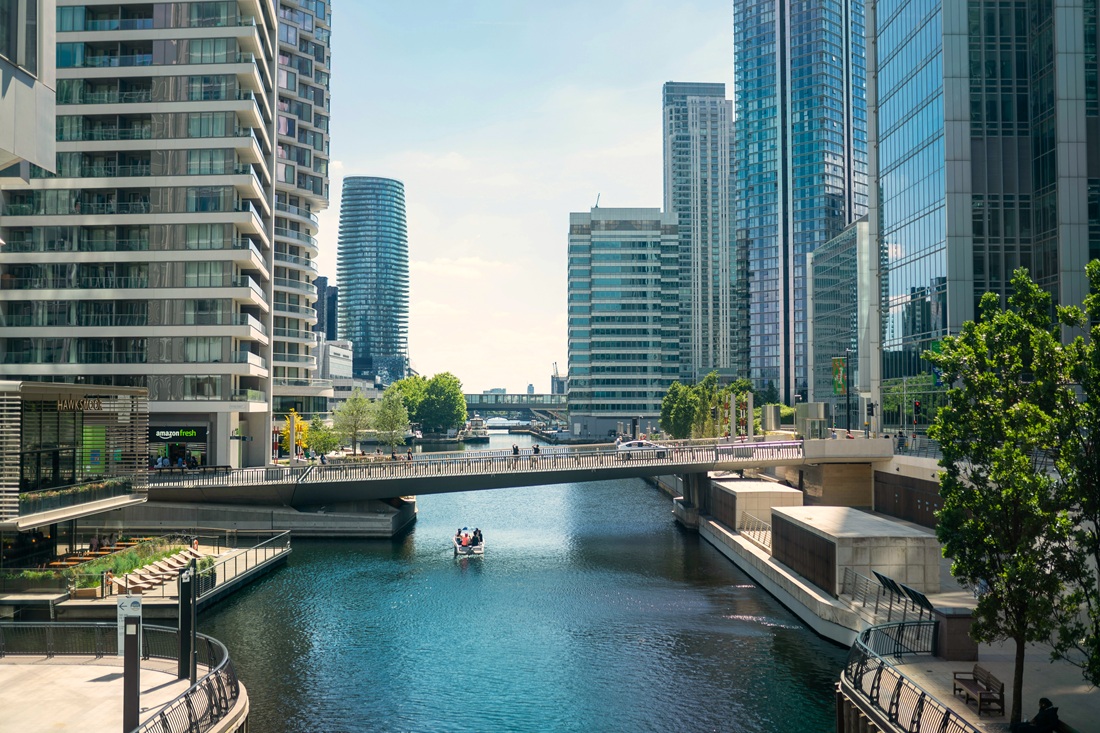
On the other hand, we recorded a decline from £552 to £491 for serviced offices in Old Street, an 11.1% decrease. This highlights the growing pressure on smaller tech clusters as demand eased and companies became more selective in their office space rentals.
Although also a popular location for tech-based businesses, Shoreditch proved more resilient, softening from £585 to £566. This reflects the area's broader occupier mix and availability of design-led flexible office space.
Southbank & South Central
Pricing across Southbank and South Central London eased overall, but performance varied by location.
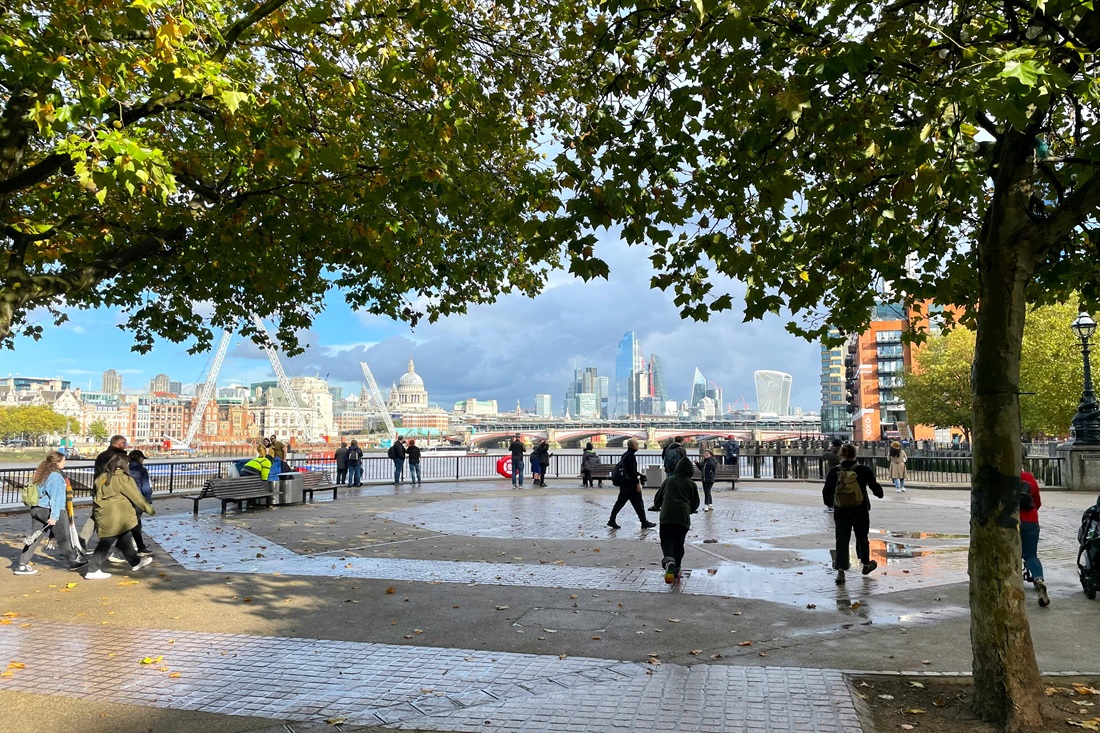
Our figures show that rates for office space in Victoria were around £847 in January 2025. Pricing reached a high of £894 in October 2025 before falling to £820 by January 2026. Waterloo dropped by 16% from £532 to £447, while Southwark declined from £705 to £643.
In contrast, we recorded a modest increase from £706 to £719 in London Bridge, underpinned by its convenient transport access and sustained occupier interest. Vauxhall showed a similar upward trend, with prices rising from £448 to £455, supported by improved infrastructure and a greater supply of high-quality, Grade A workspaces in the area.
Greater London
West and Northwest London
Locations in the West and Northwest of Greater London were relatively stable throughout 2025. Our pricing data shows that Hammersmith rates rose from £461 to £471 and Uxbridge saw a slight increase from £308 to £310. However, the average cost of office space in Ealing declined from £382 to £340 due to a drop in demand.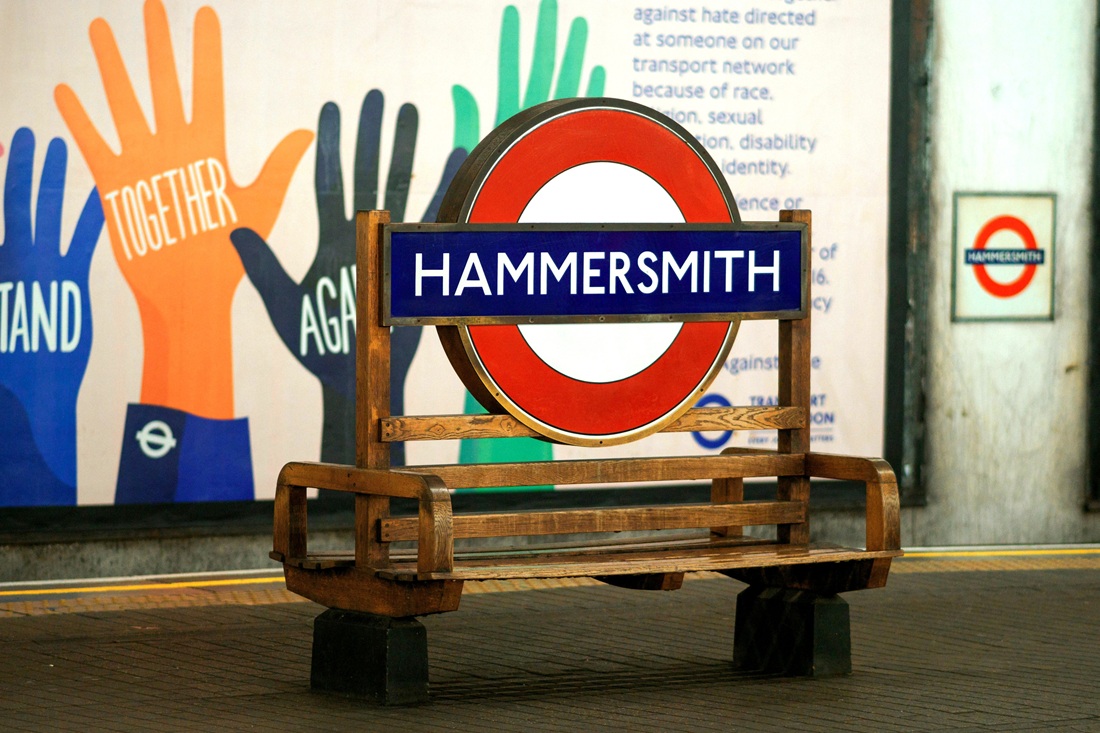
North London
Northern parts of London displayed a clear split. Pricing in Islington rose from £383 to £409, reflecting costs more aligned with Central London. Camden remained flat, while Finchley fell from £301 to £279, indicating greater price sensitivity in locations further from the City centre.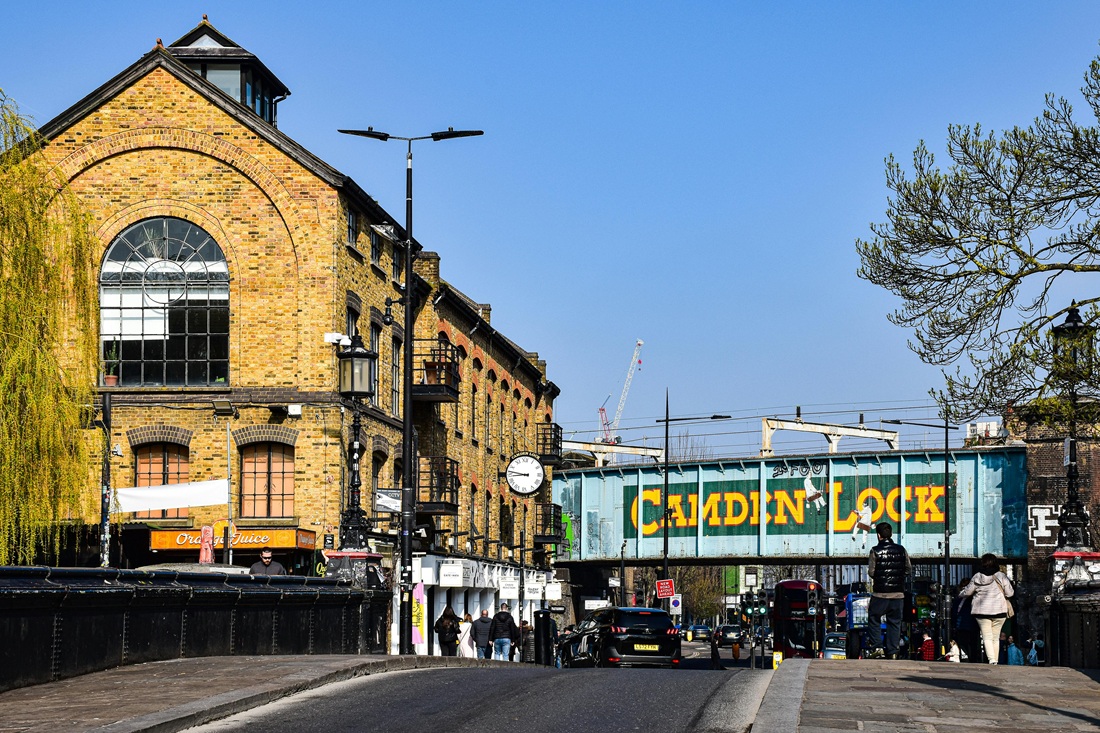
South & Southwest London
In the South and South Western part of London, rates in Chelsea were broadly unchanged (£441 to £442). However, our figures show that Fulham declined 14.1% from £425 to £365, while Clapham fell 14.5% from £346 to £296, as companies increasingly chose alternative locations offering lower costs.
In comparison, we observed a price increase in Richmond, rising from £334 to £353, which is likely due to the limited supply of office space rather than increased demand. 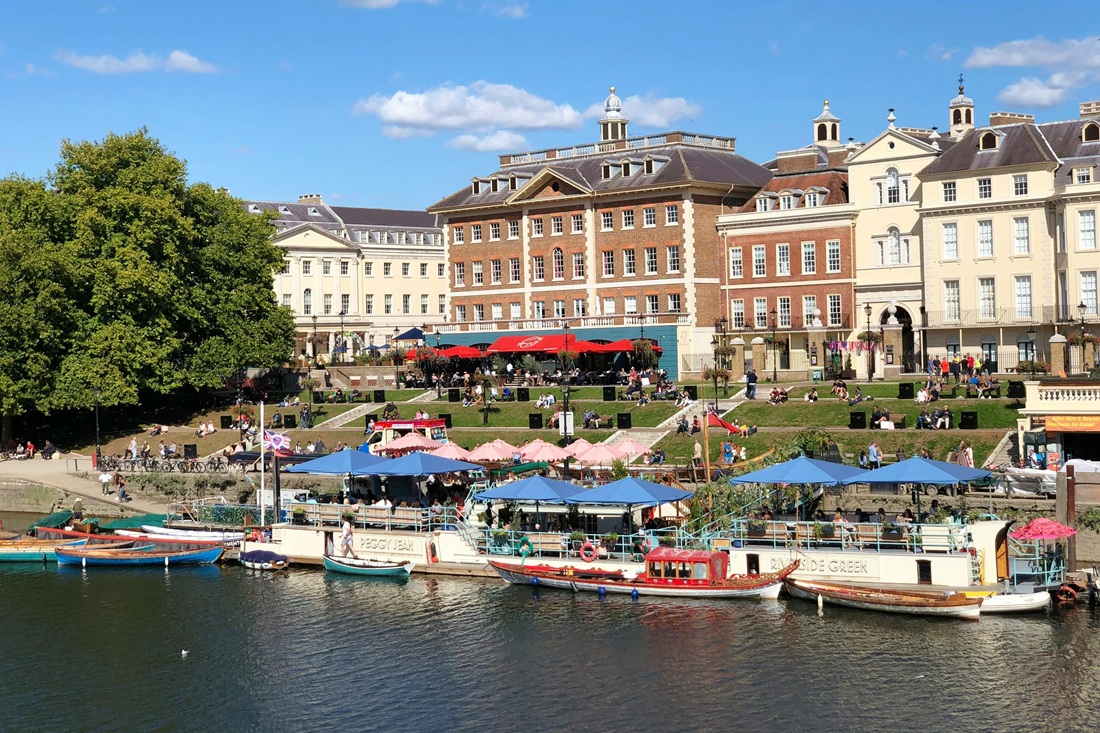
East & Southeast London
In the East and Southeast of Greater London, our data highlights a sharper decrease from £299 to £239 in Croydon, a decline of 20.1%, placing it at the lower end of the pricing range in this part of London. This reflects its position as a price-led market, where companies have a broader choice of lower-cost options, resulting in greater downward pressure.
Stratford's role as a key transport hub helped prices remain stable at £294, while rates in Hackney edged up from £351 to £355 due to its diverse range of businesses.
United Kingdom
Major Regional Cities
Outside of London, performance across the UK's other major regional cities was mixed over the course of the year.
We recorded a strong uplift in Bristol, where serviced office rates rose 23.2% from £302 to £372. Birmingham also saw modest growth from £339 to £359 at the start of 2026.
Manchester remained one of the UK's key office markets during 2025, shaped by continued growth across the tech, digital, and media sectors. However, our data shows that rates declined from £348 to £301, a fall of 13.5%. This suggests that increased supply and cost-conscious behaviour limited rate increases despite strong enquiry levels throughout the year.
Leeds remained relatively stable overall, reflecting its role as a strengthening business hub, particularly for occupiers seeking smaller, more flexible office space.
Scotland & Wales
Serviced office markets across Scotland and Wales showed relatively limited movement and greater stability. This is reflected in our data, which shows that Aberdeen remained flat at £251 in January 2025 and £252 in January 2026. Rates in Cardiff lowered slightly from £207 to £202, and from £302 to £270 in Glasgow.
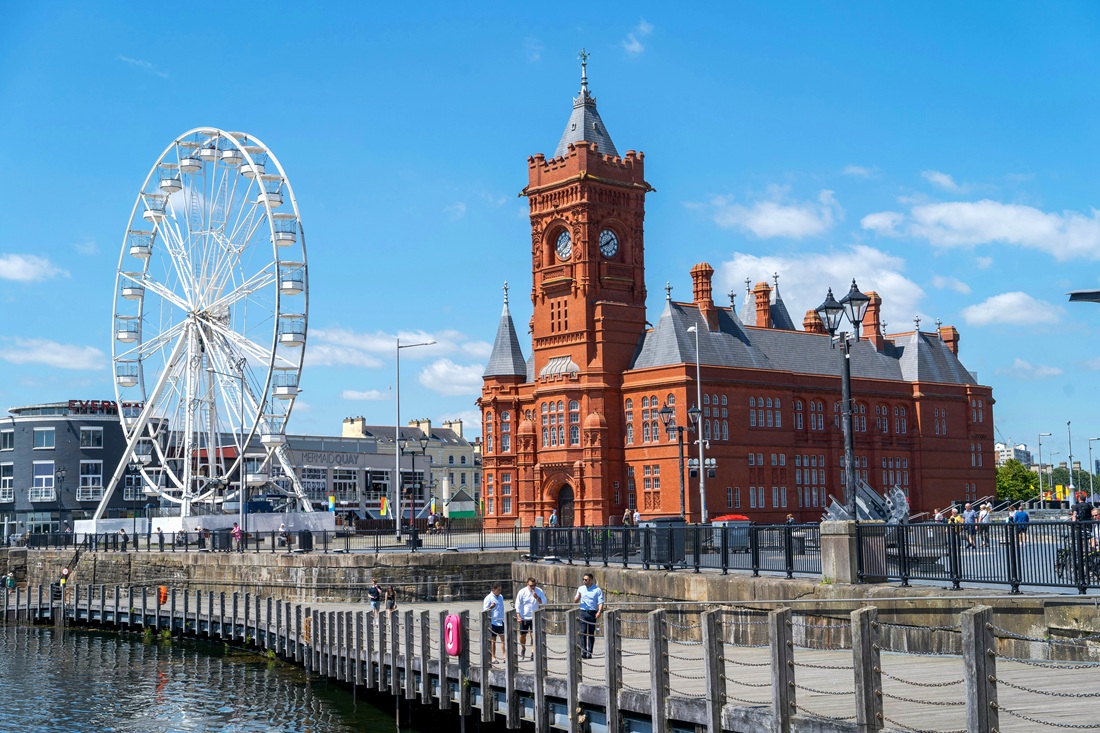
Compared with England’s major cities, these locations experienced fewer price shocks and greater predictability.
Southeast & Knowledge-Led Markets
The Southeast and knowledge-led markets recorded some of the most notable pricing growth in 2025. Cambridge strengthened from £580 to £606, bringing average rates closer to those seen in Central London. Reading rose from £296 to £333, Brighton from £308 to £351, and Milton Keynes increased by 16% from £268 to £311.
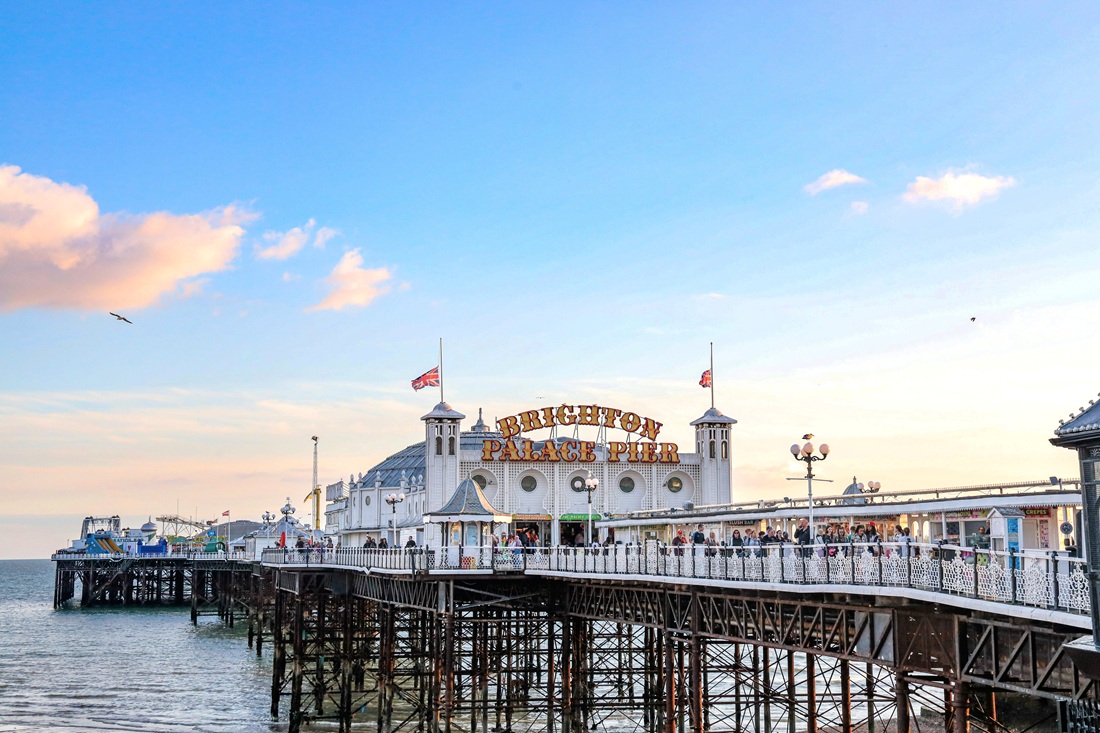
These locations benefited from a combination of proximity to London, strong sector focus, and convenient transport links. Consistent demand helped narrow the pricing gap with London over the course of 2025.
London vs the Rest of the UK
By January 2026, London pricing remained 50% above the UK office market average, though this disparity had reduced at the upper end of the regional market. Several regional locations outperformed individual London sub-markets, reinforcing the importance of considering serviced offices across the UK, rather than solely focusing on the capital.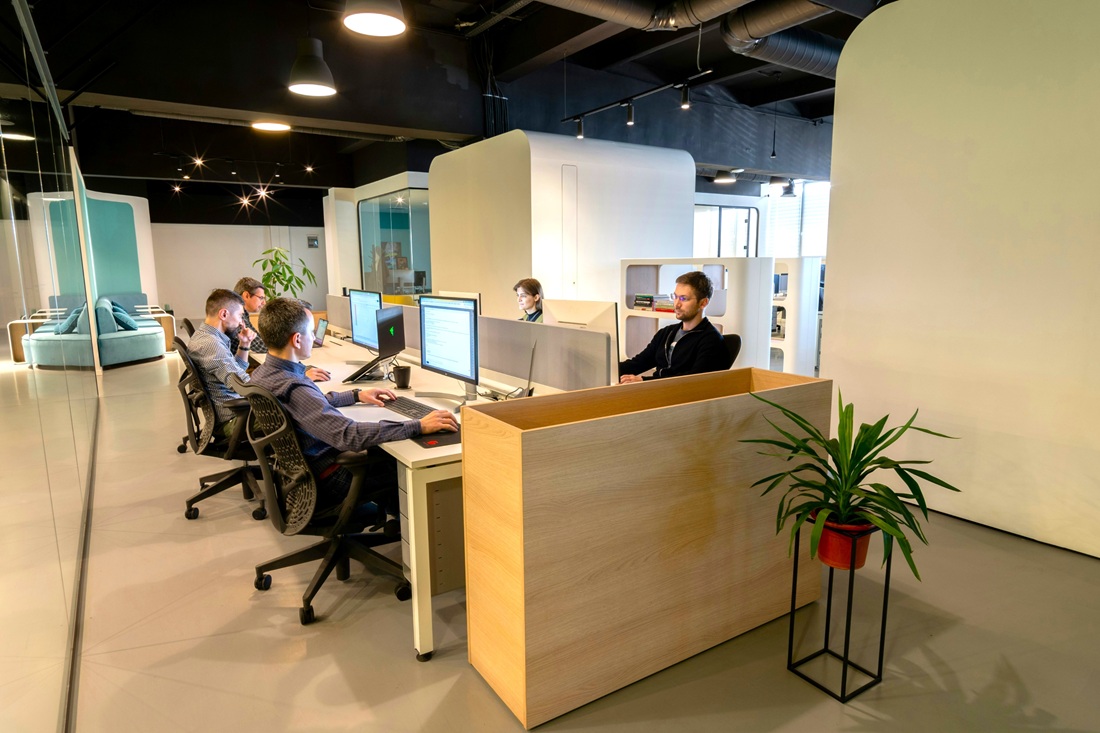
What This Means for Businesses in 2026
For companies looking to rent office space in 2026, the key takeaway is that prices are stabilising rather than rising quickly. Budget certainty has improved, with location decisions now being increasingly shaped by value, connectivity and suitability instead of prestige alone.
2025 marked a reset in serviced office pricing, with rates becoming more predictable for companies planning office space requirements in 2026.
Our pricing tool is updated quarterly and allows businesses to explore and compare up-to-date office costs by location.